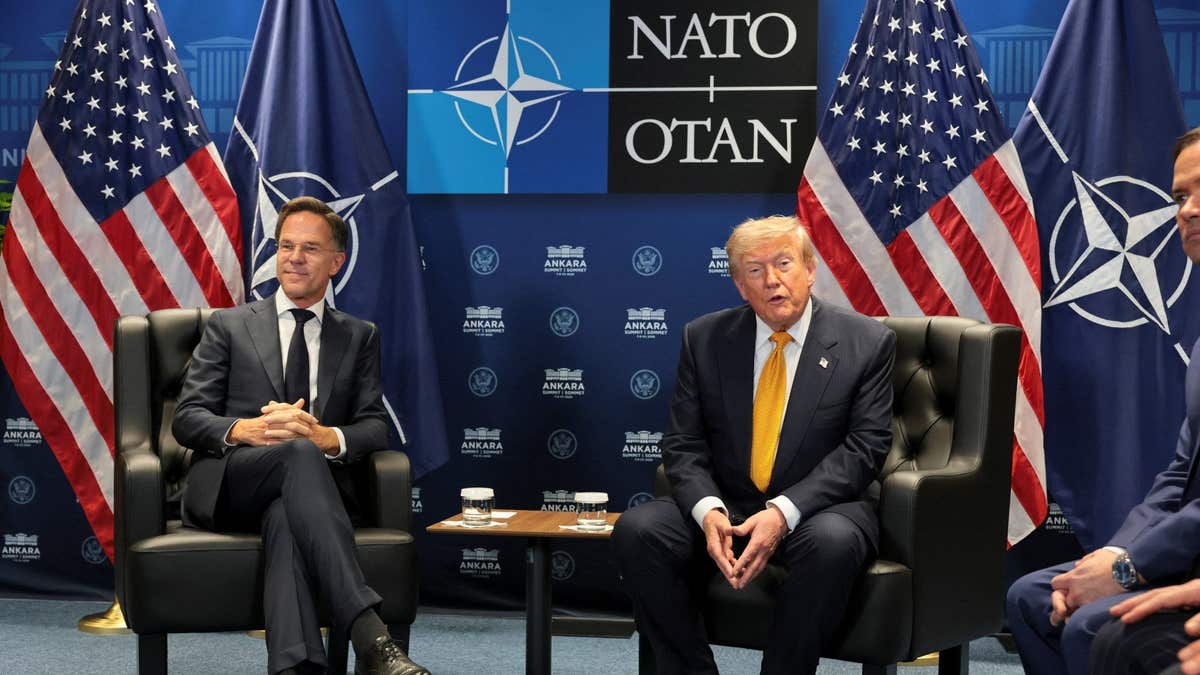
During the recent NATO summit in Turkey, reports emerged about a covert operation involving President Donald Trump. Concerned about an Iranian threat, officials secretly moved Trump from Air Force One to a military jet. Meanwhile, White House staff, Secret Service agents, U.S. Military personnel, and journalists remained on what was intended to appear as the president’s aircraft. This raised questions about potential risks to those left behind.
The White House did not respond to inquiries regarding whether they assessed risks to those who stayed aboard the decoy plane, which might have included Secretary of State Marco Rubio. Protective measures, if any existed for those passengers, remain unclear.
The term Air Force One is a call sign, not the name of any specific aircraft.
The Washington Post reported the switch, noting that Trump initially appeared to board the older Air Force One in Turkey. However, he secretly switched to a military plane. Those traveling with him continued on the original aircraft to the United Kingdom, where Trump rejoined them before returning to the U.S.
Concerns about the threat emerged as Israeli intelligence reportedly informed the Trump administration about a risk involving shoulder-fired missiles targeting the perceived Air Force One. Former Secret Service agent Bill Gage suggested that those on the decoy aircraft faced increased dangers, but he described the operation as a necessary response to the threat surrounding Trump.
“Any travel with him should be considered a risk,” Gage stated. “I think some members of the government at the highest levels made a calculated risk to not tell anyone on the fake AF1.”
The perceived threat was directed at the aircraft thought to carry Trump, not the decoy jet itself. This left those aboard the decoy as potential collateral in any attack without publicly declared protective measures.
While traveling on the decoy, reporters were asked to close window shades when the plane took off. Trump later told a reporter that the flight was dangerous because of threats, mentioning that these threats target him first.
Bill Gage remarked that only a small group was likely informed about the plan. This decision indicated officials were reacting to substantial intelligence. He suggested that high-ranking government and intelligence agencies were involved in threat assessment and countermeasure development.
Robert ‘Bobby’ McDonald, another former senior Secret Service official, explained that deceptive movements, like shell games, are rarely used but remain part of the Secret Service’s strategy. McDonald added that the Air Force is responsible for protecting presidential aircraft, implying both planes were likely monitored.
The Pentagon and the Air Force deferred questions to the White House.
Using Air Force One as a decoy isn’t unprecedented. During President Bill Clinton’s 2000 visit to Pakistan, a marked decoy arrived first, while Clinton landed separately. But the Turkey operation differed from past trips where a limited press pool, sworn to secrecy, traveled with the president.
CNN’s Jake Tapper highlighted the unusual approach used in Turkey compared to previous protective deceptions. Former White House press secretary Ari Fleischer justified the move by emphasizing the critical nature of securing the president against credible threats.
Leave a Reply