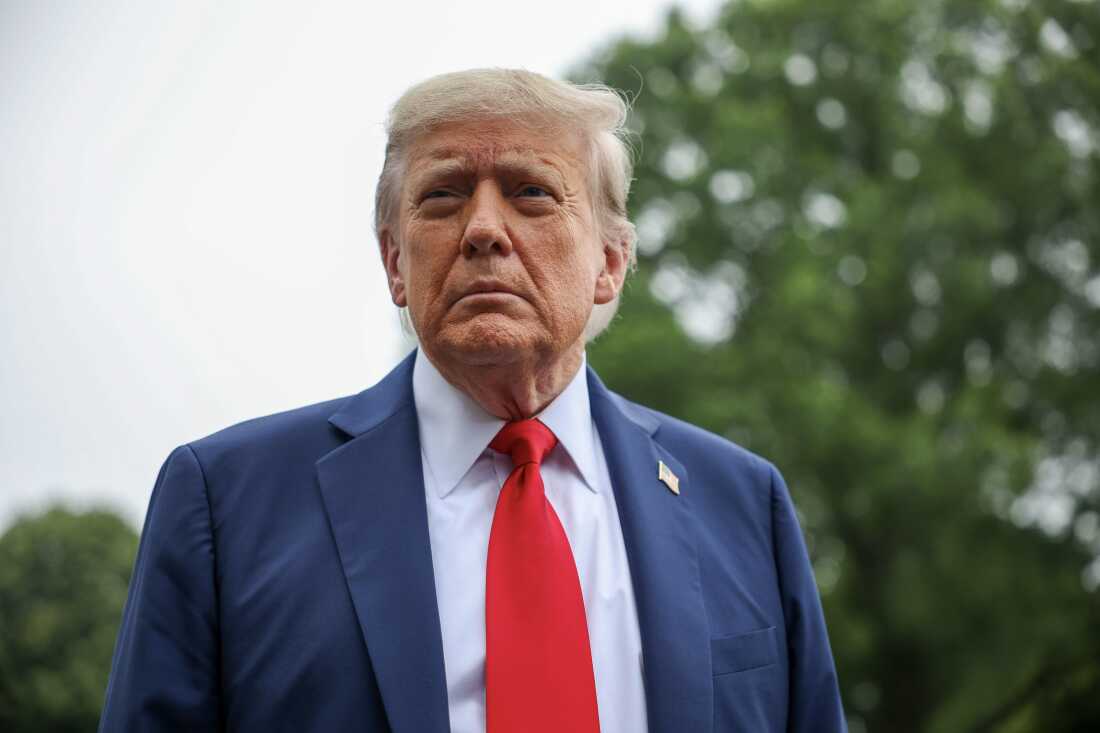
President Trump has introduced a new wave of tariffs aimed at boosting the U.S. economy and supporting American workers. Despite these intentions, signs indicate potential harm to many households.
Recently, the White House announced the replacement of an existing 10% tariff with a series of new tariffs affecting numerous countries. These tariffs, effective since Friday, range from 10% to 12.5% and aim for legal durability. Economists predict challenges to these policies.
Key Insights on Trump’s Tariff Focus
No Immediate Relief for American Households
Inflation remains a concern, with the cost of living on the rise again. Tensions with Iran threaten to push up gas prices, with the national average surpassing $4 per gallon recently. Mortgage rates are also historically high, adding strain on households. The new tariffs maintain an average rate of 11%, increasing burdens on families. The Budget Lab estimates an additional cost of $1,100 per household due to these tariffs.
Challenges to Lowering Interest Rates
The Fed, led by Chair Kevin Warsh, faces difficulty in reducing interest rates due to inflation concerns. Tariffs could raise import prices, further affecting inflation. Trump aims to persist with tariffs, leading to ongoing economic uncertainty and potential rate increases.
Uncertainty for Import-Dependent Businesses
Businesses have endured volatility since Trump’s initial tariffs. The Supreme Court struck down many of these tariffs, allowing refund opportunities. The new tariffs aim for legal sturdiness, yet potential court battles loom. Business investment may be hindered due to uncertainty, impacting hiring and growth.
Potential Benefits vs. Costs
The Trump administration sees tariffs as leverage for trade negotiations and domestic job creation. While government revenue from tariffs is expected to increase, the economic impacts include rising inflation and slowed growth. Natasha Sarin from the Budget Lab highlights inefficiencies in revenue gains, stressing the lasting economic decline.
Global Economic Fallout
Trump’s tariff policies continue to pressure international economies. Rising energy costs have prompted the IMF to lower global economic forecasts. Recently, threats of tariffs on Canadian goods further extend this impact. With ongoing tariff uncertainties, global and American economic stability remains uncertain.
Leave a Reply