BRIDGEWATER, N.J. — Recent events have intensified the already strained relations between the United States and Iran. The U.S. military announced it had successfully intercepted Iranian ballistic missiles and drones aimed at the Strait of Hormuz and Gulf Arab allies. In response, American forces struck several of Iran’s coastal surveillance radar sites.
This exchange of fire further complicates efforts to maintain a fragile ceasefire with Tehran. The Trump administration is exerting pressure on Iran to negotiate an end to the ongoing conflict. According to U.S. Central Command, Iran launched seven ballistic missiles toward Kuwait and Bahrain. U.S. interventions prevented six from reaching their targets, and the seventh missile fell short.
Earlier, American forces had downed four Iranian drones marked as immediate threats to maritime traffic in the Strait of Hormuz. In tandem, Kuwaiti and Bahraini defenses activated measures against the attacks. Kuwaiti forces were actively intercepting incoming threats while Bahrain sounded air raid sirens, advising residents to seek safety and heed official directives.
Iran’s Revolutionary Guard acknowledged targeting the Ali Al Salem airbase in Kuwait and the U.S. Navy’s 5th Fleet in Bahrain. These retaliatory efforts come amidst U.S. enforcement of a blockade on Iranian ports. This blockade aims to counter Iran’s control over a crucial oil and gas corridor, which has significantly impacted global energy prices.
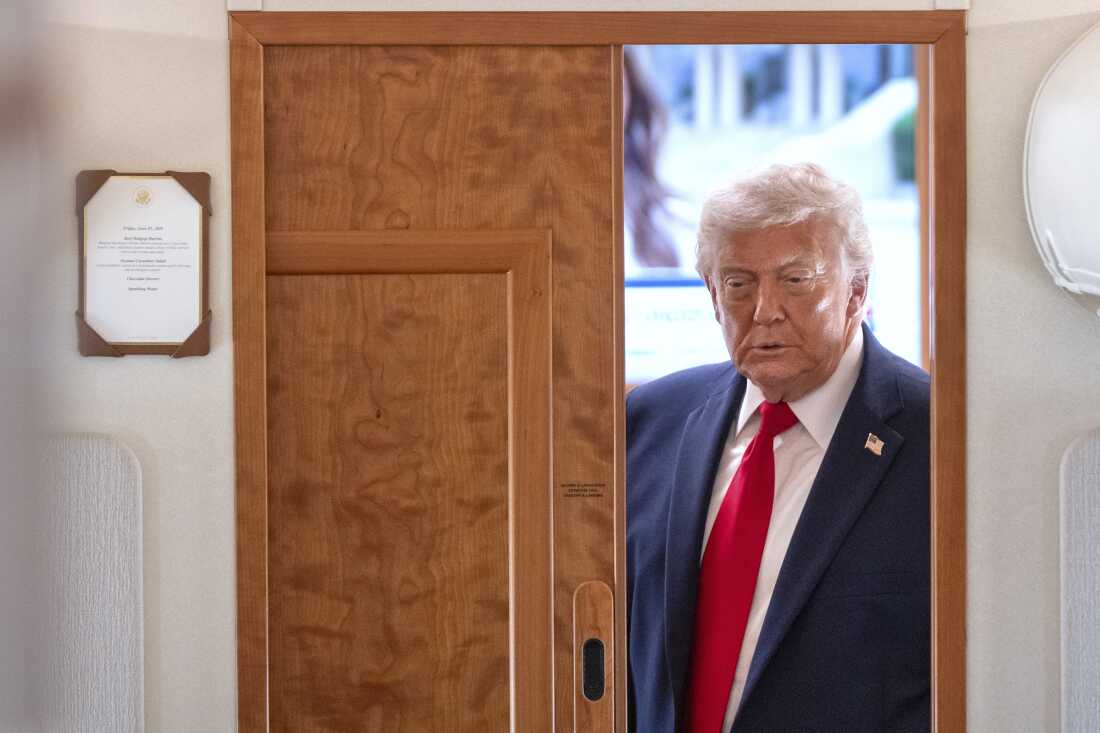
The fragile truce has faced further strains following an Iranian drone attack on Kuwait’s main airport, resulting in casualties and temporary closure. Despite these challenges, President Donald Trump assured reporters of positive developments with Iran, predicting a swift resolution to the conflict.
In remarks to journalists, Trump expressed confidence that a decisive outcome is forthcoming, either through diplomacy or more direct means. Yet, negotiations remain stalled, despite a tentative ceasefire extension and talks on Iran’s nuclear ambitions. Trump has proposed changes to the agreement, and Iranian leaders remain publicly non-committal.
Elsewhere in the region, U.S.-brokered ceasefire efforts between Lebanon and Israel face difficulties. The Iranian-backed Hezbollah group has dismissed the agreement, and active combat has resumed. Israeli forces conducted raids in southern Lebanon, resulting in casualties and causing further instability. These events underscore the intricate regional dynamics threatening to derail efforts to stabilize the situation with Iran.
Moreover, the U.S. has intensified sanctions against Iran’s energy sector and intercepted a sanctioned Iranian oil tanker. Ongoing U.S. actions aim to curtail Iran’s economic interests amid the geopolitical tensions.
Leave a Reply