The United States finds itself in the midst of its largest military conflict since the Iraq War. A survey by the Institute for Global Affairs at Eurasia Group reveals that twice as many Americans believe the Iran war has decreased U.S. safety compared to those who believe it has increased safety. Concerns are growing among security officials about potential threats from Iran within the U.S.
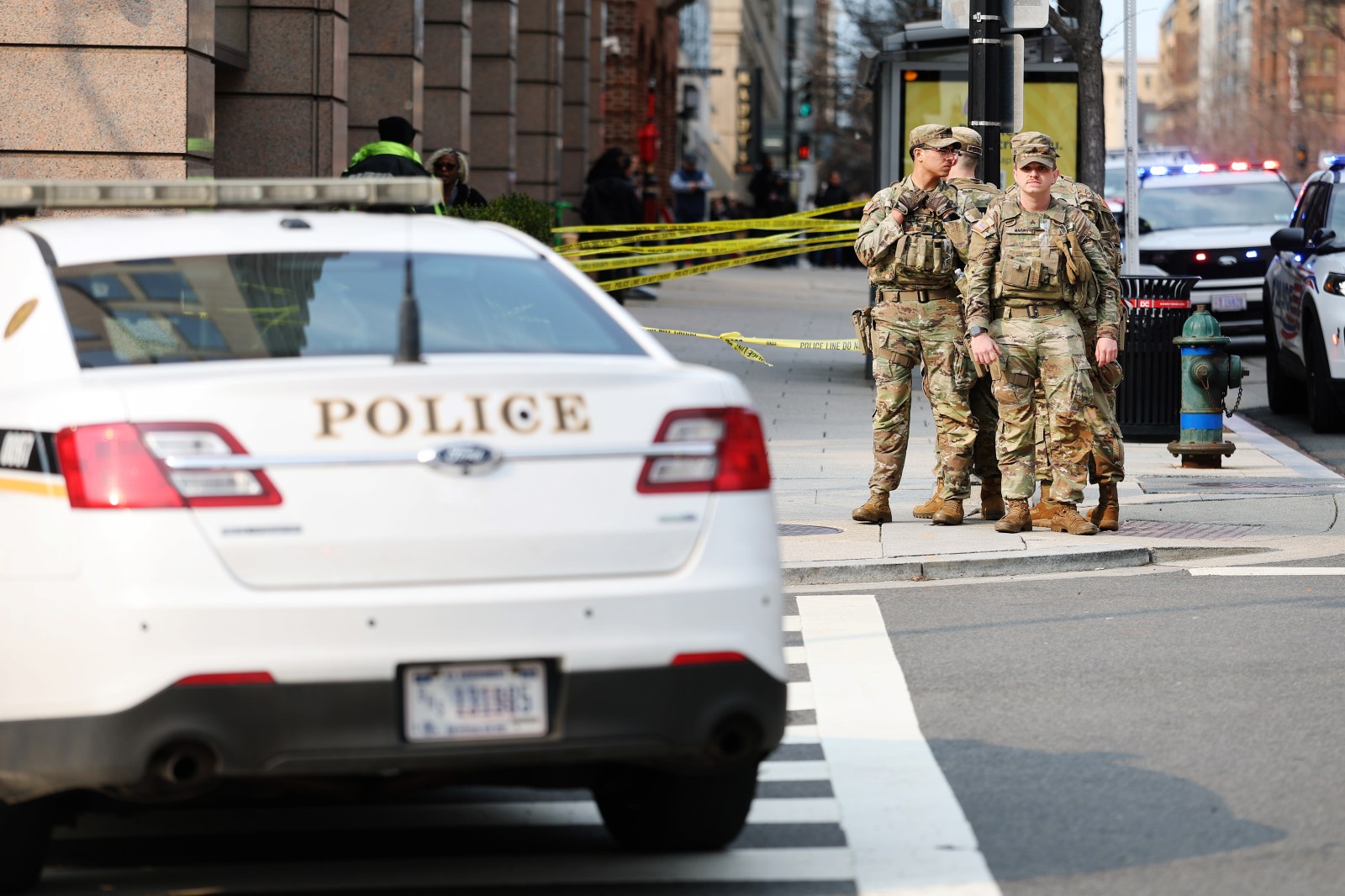
City leaders are playing a crucial role in defending at home. There’s growing apprehension that the systems designed after 9/11 to detect and respond to potential threats might not function effectively. This situation is especially concerning as major U.S. cities prepare to host significant events like FIFA World Cup matches and America’s 250th anniversary celebrations, both of which challenge public safety systems.
Experts have long warned about possible Iranian responses to U.S. actions. These include retaliatory strikes against U.S. assets, global economic disruptions through naval blockades, and threats to the U.S. homeland. While a mass-casualty attack on U.S. soil hasn’t occurred, threats now include disinformation campaigns, cyberattacks on essential systems, and potential threats from covert agents and lone actors radicalized online.
Federal, state, and city officials must work together through established security partnerships. Post-Sept. 11, federal agencies like the National Counterterrorism Center, Department of Homeland Security, and the FBI formed partnerships with state and local authorities to manage threats effectively. These partnerships rely on federal agencies to assess threats and provide intelligence, while local officials take action based on this information.
This model has prevented large-scale terrorist attacks since Sept. 11, but it must operate as intended. Delays, staffing gaps, or communication breakdowns at the federal level strain the system. Local officials may have to act with less clarity, particularly as Iranian-linked actors increasingly target U.S. energy and transportation networks through cyber operations, posing both digital and physical threats.
Mayors are focused on public safety. They’ve invested in training and partnerships to address these risks. However, the ongoing conflict and upcoming global events demand strengthened coordination and timely threat guidance from federal partners. There have been concerning delays in security bulletins and leadership changes across key departments, notably within the FBI and Department of Homeland Security, which may impact security analysis and continuity.
Some cities, like New York, have advanced capabilities to conduct threat briefings, but they still rely on federal guidance. The safety of Americans hinges on federal support, timely coordination, and clear communication. The complete survey findings are available in the full report.
Leigh O’Neill is a senior adviser at the Institute for Global Affairs at Eurasia Group, leading the Cities in Global Affairs program. She has experience with Bloomberg Philanthropies, Truman National Security Project, and the U.S. Senate. The opinions presented are those of the writer.
Leave a Reply