The U.S. Department of Justice recently shared findings that despite investigations during the Trump administration, only 28 people in California may have voted illegally. This figure emerges among approximately 23 million registered voters in the state, highlighting an extremely low incidence of potential voter fraud.
According to California Attorney General Rob Bonta, this reinforces there is no widespread voter fraud. The federal findings reveal around 1 in 820,000 voters in the state faced allegations of illegal voting or registration, a rate comparable to the odds of lightning strikes in the U.S. each year.
Former President Trump’s persistent claims of mass voter fraud involving collaboration between Democrats and undocumented immigrants are contradicted by this data. None of those charged is accused of orchestrating their activities with each other or with political leaders. Government resources, including investigative and technological, aim to hold accountable those proven to have voted illegally.
Nationally, Seamus Hughes from the Court Watch reports that 169 people have faced federal charges for illegal voting or registration since the current administration began. This includes the 28 cases from California, suggesting a minimal rate of these activities across the U.S.
In a broader context, the federal government is challenging California, alleging doubts about 20,000 registered voters based on questionable data. The state declined federal demands to infringe on constitutional law and independently double-check these registrations, prompting legal action from the government based on tenuous grounds. The argument rests on potential voter fraud impacts, wherein non-compliance with desired actions might contravene constitutional provisions.
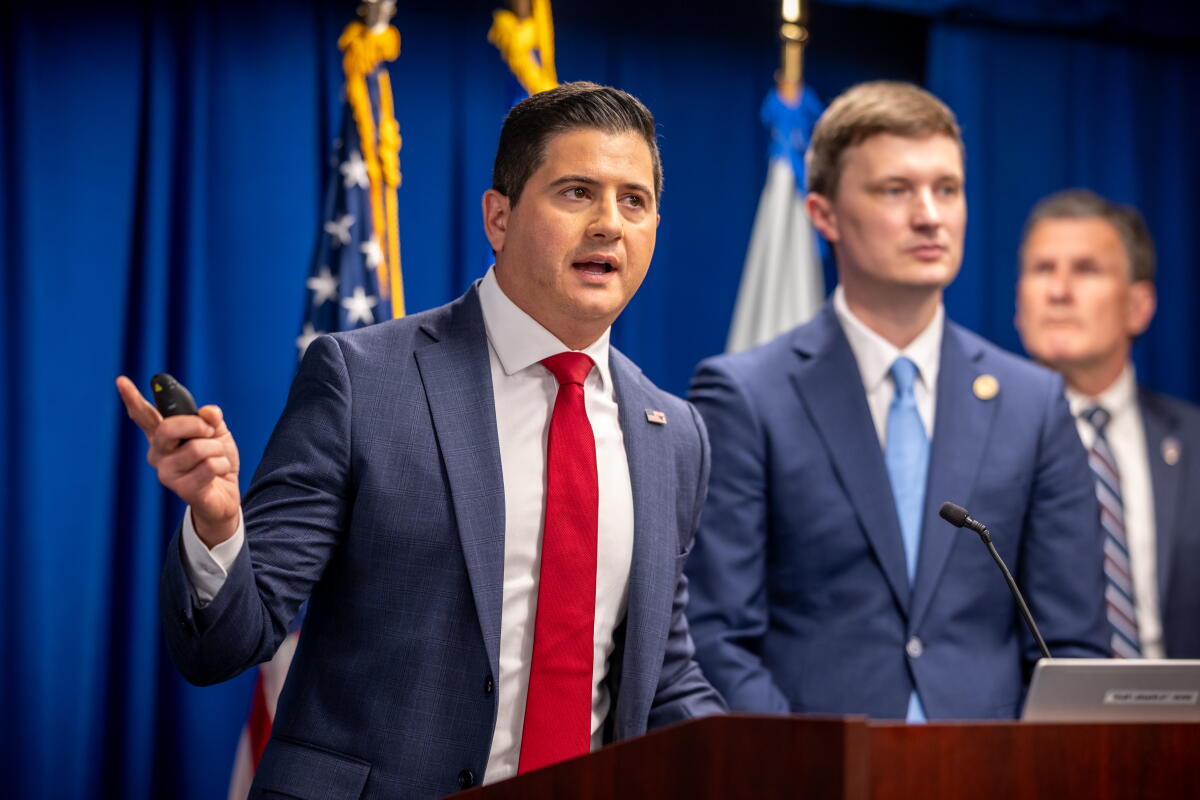
Assistant U.S. Attorney Bill Essayli highlights these concerns, presenting claims of state involvement in facilitating voter fraud by non-citizens. Yet, these claims point towards a flawed system, as suspected illegal voters stem from the Systematic Alien Verification for Entitlements (SAVE) program, known for its inaccuracies. This program, originally a governmental efficiency initiative, often causes data confusion, merging records, and unreliable data outcomes.
Organizations, including the UCLA Voting Rights Project and the Coalition for Humane Immigrant Rights, have pursued legal action against this program’s use. The program’s focus appears to target immigrants now naturalized as citizens, with significant proportions residing in swing states and areas with close electoral races.
There is concern that these actions suppress voter participation, particularly among naturalized citizens, amid midterm elections. Fear of federal repercussions could deter individuals from voting, especially those in mixed-status households, risking immigration inquiries.
Matt Barreto from the Voting Rights Project remarks on the intimidation these efforts pose to eligible voters, with potential implications for political dynamics and narratives about electoral integrity. The situation sustains a cycle of claims and counterclaims regarding election legitimacy.
Leave a Reply