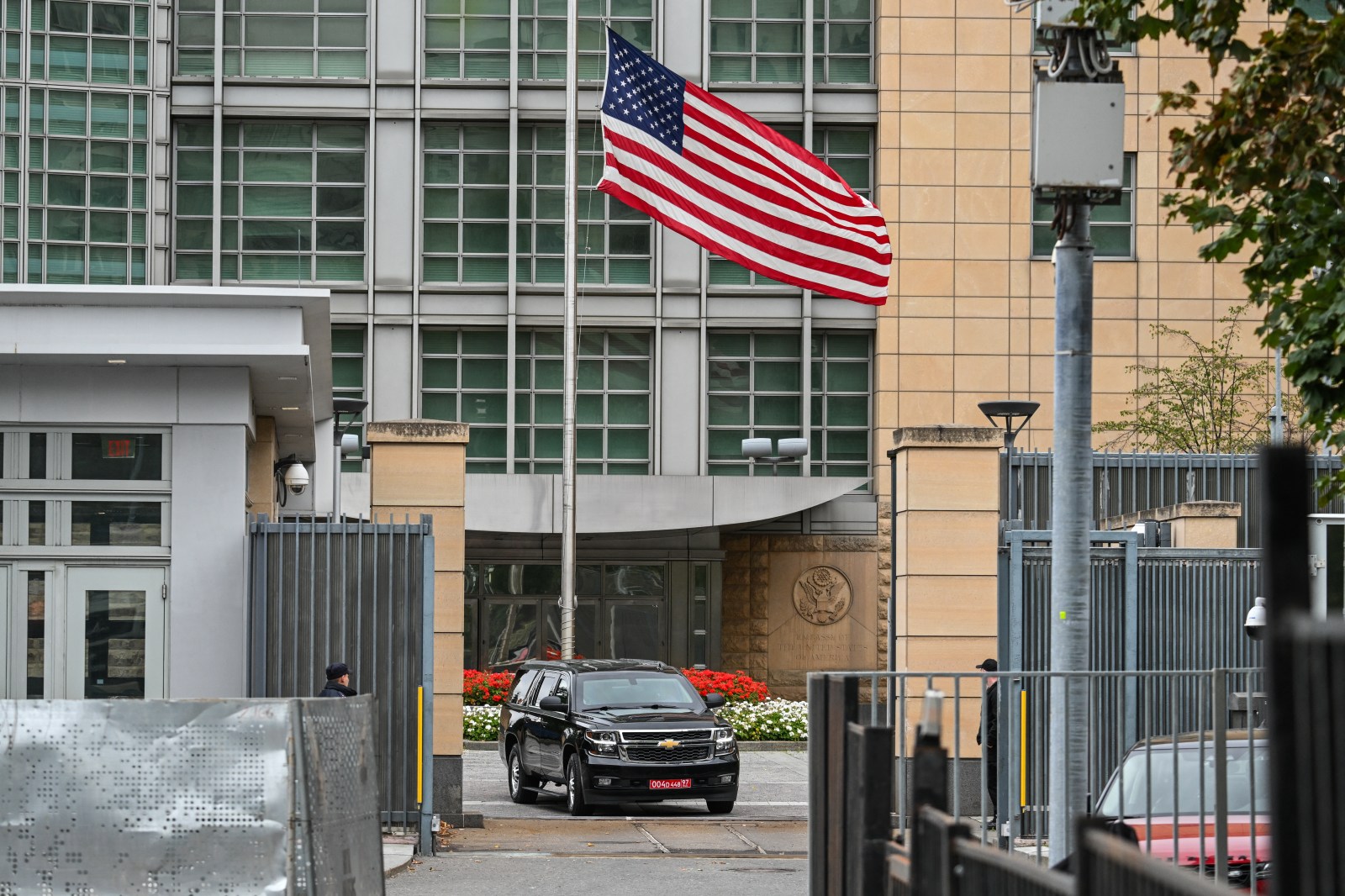
The U.S. Embassy in Russia is monitoring reports of a suspected pneumonic plague death in the Irkutsk region. Recent indications of hospital closures and quarantine measures have also been noted. The embassy’s current statement does not alter the existing State Department Level 4 advisory, which advises against travel to Russia due to potential risks such as terrorism and wrongful detention.
Travel Advisory Status
The Level 4 advisory, issued on December 29, 2025, urges Americans to refrain from traveling to Russia. It warns U.S. citizens already in Russia to leave and emphasizes the limited ability of the U.S. government to assist citizens, especially outside Moscow.
WHO and Suspected Plague Case
The World Health Organization (WHO) has informed that Russian authorities reported no confirmed case of plague in Irkutsk. A laboratory worker’s death from pneumonia was initially linked to a plague, but the cause remains unconfirmed.
Pneumonic plague can prove fatal within 18 to 24 hours without treatment, although early intervention with antibiotics is effective. The WHO assesses the public health risk as moderate to low for Irkutsk and low for Russia overall.
Updates From U.S. Embassy
The State Department’s TravelGov account has acknowledged press reports of a suspected plague case. However, it confirms no independent verification and maintains the Level 4 travel guidance.
Official and Expert Opinions
The WHO stated that a suspected pneumonic plague case in Irkutsk Oblast had been detected. Further investigation showed no confirmed plague and no dangerous infectious pathogens found among contacts of the deceased.
Dr. Amesh Adalja from Johns Hopkins Center critiqued the response scale, suggesting it does not align with standard plague procedures. Modern treatment methods for the plague are available, and preventive measures for exposed workers are standard.
Daria Shipilova’s Case
Daria Shipilova, a 28-year-old worker at the Irkutsk Anti-Plague Institute, died from pneumonia. No microorganisms linked to her work were found in her body, despite reports of a possible lab accident involving Yersinia pestis. Official confirmation of these claims is pending.
Biosecurity Concerns
Experts have questioned the reasons behind strict containment measures if the illness was not identified as plague. The Soviet Union’s history of biological weapons research has prompted speculation about potential involvement of other pathogens.
No evidence links Shipilova’s death to bioweapons, and no investigation of such has been confirmed. The WHO maintains that the risk outside Irkutsk remains low and will update their assessment with new information.
Leave a Reply