A Disturbing Trend in Phoenix
Austin Davis, a dedicated advocate for homeless individuals in Maricopa County, has faced an increasing demand for assistance. His phone is inundated daily with hundreds of calls and text messages from those in dire need of shelter, including families advised by official channels like 211, only to find long waiting times for help.
Official figures recorded 2,103 people in homeless families this year, marking the highest level since 2015. This number, however, is widely considered an undercount due to the limitations of single-night surveys conducted by volunteers.
Challenging Circumstances
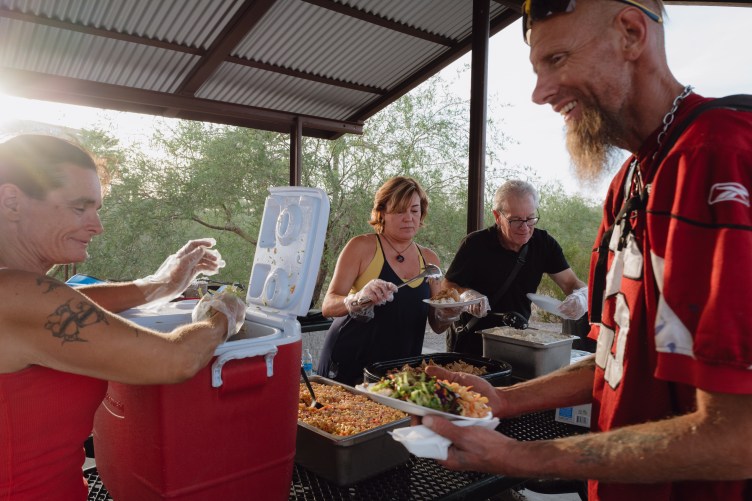
Davis, a 26-year-old poet, has effectively become an unofficial last resort for those facing homelessness. His nonprofit, AZ Hugs, provides nightly meals at a suburban park in Phoenix, despite facing multiple citations from local officials for such activities.
With social workers, teachers, and law enforcement often referring families to him, Davis’ efforts shine a light on the inefficiencies and inadequacies in existing support systems for the homeless community.
Struggles of the Current Systems
ProPublica found that attempts to use the official channel, meant to address family homelessness, rarely lead to solutions, leaving families feeling hopeless.
Candice Ortiz, a mother trying to secure stable housing for months, described her futile attempts to navigate a system that seemed unresponsive. She had called 211 numerous times, filled with repeated inquiries, only to be told her family did not meet the criteria for immediate assistance.
Families often express anxiety about how homelessness affects their children, with research suggesting long-term negative impacts on brain development and growth.
Community Responses and Efforts
In response to these challenges, Davis initiated an online petition urging Arizona Governor Katie Hobbs to declare a state of emergency on family homelessness, hoping to unlock additional funds and resources. The petition has gathered over 5,000 signatures, yet lacks official acknowledgment from government leaders.
Meanwhile, Davis continues his grassroots efforts by raising funds on social media to pay for hotel accommodations for homeless families. His recent arrangement with the First United Methodist Church of Mesa facilitates temporary overnight shelter for at least six families, a minor yet crucial step in addressing the urgent needs.
Despite Governor Hobbs’ significant investments in eviction prevention and emergency shelter programs since taking office, Davis and many others feel a stronger and more coordinated response is necessary to address the rising crisis.
Hopes and Challenges Ahead
While Governor Hobbs has committed over $245 million statewide to various initiatives aimed at combating homelessness, local advocates like Davis argue that these efforts must scale further to make a substantial impact. Continuous dialogue and expanded cooperation between nonprofits, government agencies, and community advocates are vital to providing timely assistance to those in crisis.
As families continue to face what seem like insurmountable challenges, individuals like Davis remain critical not only in providing immediate relief but also in highlighting the urgent need for systemic changes that prioritize family and child welfare during this worsening crisis.
Leave a Reply