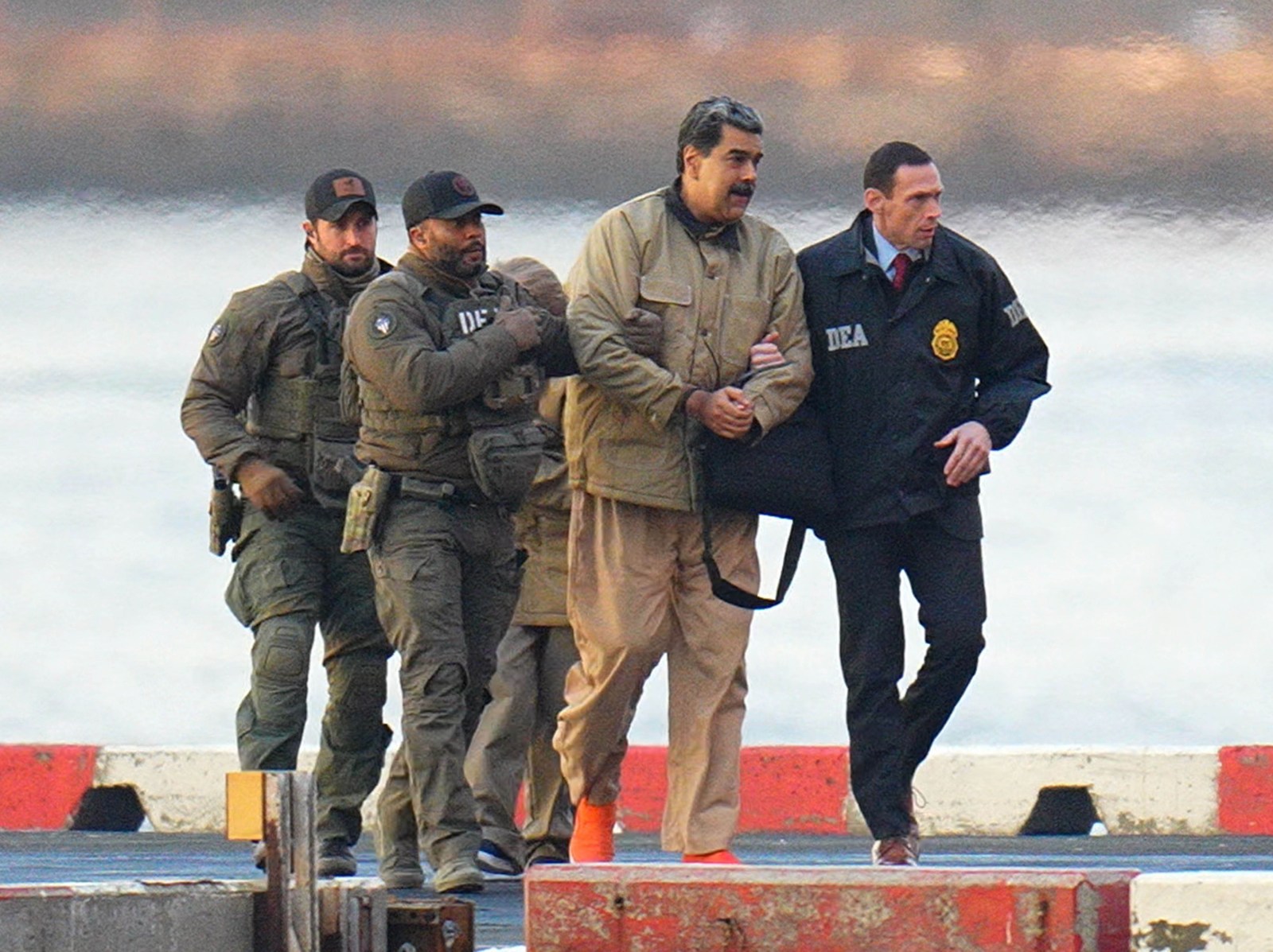
The criminal case involving former Venezuelan President Nicolás Maduro and former first lady Cilia Flores took a significant turn. U.S. prosecutors introduced new charges linked to torture. These charges are tied to an alleged long-standing strategy to maintain power using violence, intimidation, and repression.
The revised indictment includes a conspiracy-to-commit-torture charge. Previous accusations involved narcoterrorism, cocaine trafficking, and weapons offenses. Prosecutors claim the couple utilized state powers, security forces, and allied organizations to suppress opponents and target detainees. The Justice Department mentions that U.S. citizens were among the victims.
“President Maduro denies the charges in the new indictment and looks forward to his day in court,” stated Maduro’s attorney Barry Pollack when contacted by Newsweek.
Justice Department’s Findings
The Justice Department shared a statement, revealing the ongoing investigation into Maduro and Flores. Attorney General Todd Blanche mentioned that investigators have been working diligently to uncover the couple’s alleged crimes against people in Venezuela and the U.S. The new charges aim to pursue “justice for the victims of torture, narcoterrorism, and organized crime.” The department alleges that Maduro and Flores benefitted financially from corruption while using violence and intimidation to suppress opposition. Alleged victims include U.S. citizens, with reported acts of severe physical and psychological abuse.
Jamie McDonald, U.S. attorney for the Southern District of New York, stated that the indictment alleges a conspiracy to repress dissent through serious human rights violations. The allegations expand the existing narcotics and arms charges.
Legal Impact and Expert Analysis
Legal experts suggest the additional count could bolster the prosecution’s case. David Weinstein, a former federal prosecutor, highlighted that the new allegations could enhance the portrayal of prosecution events to the jury. Defense may seek extended time for preparation. They might also attempt to separate the torture allegations from the narcotics charges.
International Law Considerations
The case introduces important international law questions. John Cerone, an international law expert, pointed out that both the U.S. and Venezuela are signatories to the Convention Against Torture. This responsibility necessitates prosecution or extradition of alleged torturers. The Maduro case could challenge traditional head-of-state immunity, referencing the prosecution of Chilean dictator Augusto Pinochet.
Additionally, the prosecution’s evidence may impact future international accountability measures. Cerone notes the broader implications, with the case potentially reaching beyond U.S. borders.
What Lies Ahead
The immediate question is whether the new charge will delay the trial. Defense attorneys might request more time or attempt to sever the torture-related charges. How other governments view this prosecution could also influence proceedings, determining if it is seen as enforcing anti-torture obligations or a political maneuver.
The determination of guilt or innocence remains up to a jury. However, the new allegations have expanded the case’s scope, potentially holding a former head of state accountable for alleged human rights violations.
Leave a Reply