As of July 23, the United States has reported more measles cases to the Centers for Disease Control and Prevention (CDC) than in any year since 1991. In less than seven months, the country surpassed last year’s record high. Despite the disease being preventable, with vaccines widely available and often free, over 4,850 individuals have been infected since the start of last year, and three have died. Among these fatalities were two unvaccinated girls in West Texas, whose deaths garnered national attention.
The surge of measles cases should not be seen as a norm. Ignoring this increase is perilous. Countries that relaxed their vaccine efforts faced resurgent diseases, resulting in deaths and disabilities. Subtle changes in immunization policies proved disastrous years later. Conditions such as rubella led to babies born blind or deaf, and diphtheria posed severe threats to children. Despite advances, modern medicine cannot reverse conditions like polio paralysis.
Robert F. Kennedy Jr. and President Donald Trump have influenced a shift in government, raising doubts about vaccine safety. Recently, the president issued an executive order that could further fuel vaccine hesitancy. This marks a departure from the 1960s’ bipartisan-backed vaccination programs protecting children from illnesses.
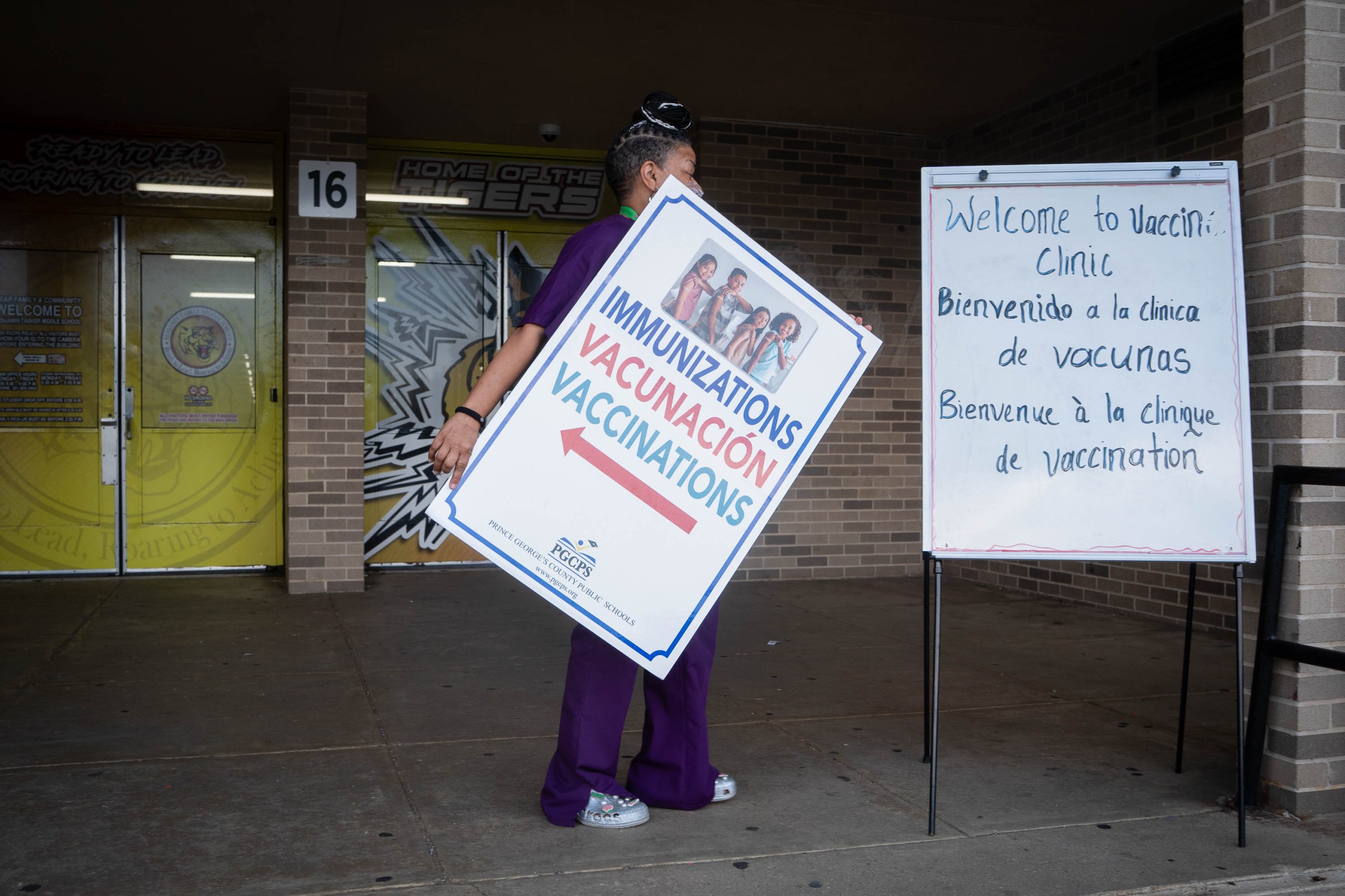
Schools nationwide have begun setting up vaccination clinics due to falling immunization rates. Sarah L. Voisin from The Washington Post highlighted how the persistent appearance of the measles rash signifies vulnerabilities in the country’s public health infrastructure.
Access to vaccines might be endangered. Kennedy is contemplating adjustments to a critical but not well-known government program, which could drive vaccine manufacturers away from the U.S. market. Should this occur, even willing parents might struggle to vaccinate their children. The Department of Health and Human Services insists it hasn’t limited vaccine access. A spokesperson emphasized transparency and the importance of sharing safety data.
Many involved in U.S. government vaccination initiatives express concern about the potential resurgence of preventable diseases among children. Dr. Melinda Wharton, a former CDC immunization leader, feared a worst-case scenario, not imagining one of this magnitude.
Health experts and doctors, who once considered these diseases historical, now face unvaccinated children severely ill with ailments thought eradicated. A German doctor, recalling the death of an unvaccinated child from diphtheria, noted how such infections were previously confined to history.
Recent reporting offers insights on these developments. In October 2020, a report detailed how COVID-19 and government actions eroded trust in public health, a sentiment Kennedy has tapped into. The CDC and White House withheld comments on this.
By March 2025, it emerged the CDC suppressed a measles forecast predicting high infection risks in areas with low vaccination rates. Records indicated the CDC chose not to release it, asserting the public was already informed. They continued advocating vaccination as the best protection.
In July 2025, a report exposed Kennedy’s intention to modify a program preventing vaccine maker exodus. The program compensated individuals with rare vaccine side effects, offering relief without needing to prove corporate fault. This change could prompt vaccine suppliers to withdraw from the U.S. market. The HHS did not elaborate on Kennedy’s plans but maintained he prioritizes safety.
In March 2026, Stanford experts modeled the potential impacts if vaccines became inaccessible. Their visualization projected potential fatalities and disabilities over 25 years without vaccines for various diseases. ProPublica shared these findings with HHS, though the agency didn’t address the model directly, reiterating vaccine support.
By June 2026, as cases escalated, a CDC team investigated whether measles had become endemic in the U.S. Reporting revealed complexities in proving non-endemic status solely through genetic sequencing. The CDC stated it was conducting a comprehensive investigation, recognizing genetic sequences alone couldn’t definitively determine endemic status.
Leave a Reply