With history as a guide, Republicans might face significant challenges in the upcoming November elections. President Donald Trump’s average approval rating has dipped below 40%, while disapproval has climbed above 50%. Historically, when presidents face such low approval ratings, their parties tend to perform poorly in midterm elections.
Congressional Republicans mirror this trend, with the generic ballot showing a preference for Democrats among midterm voters. Congressional disapproval has climbed in 2026 compared to 2025, now sitting in the high 60s.
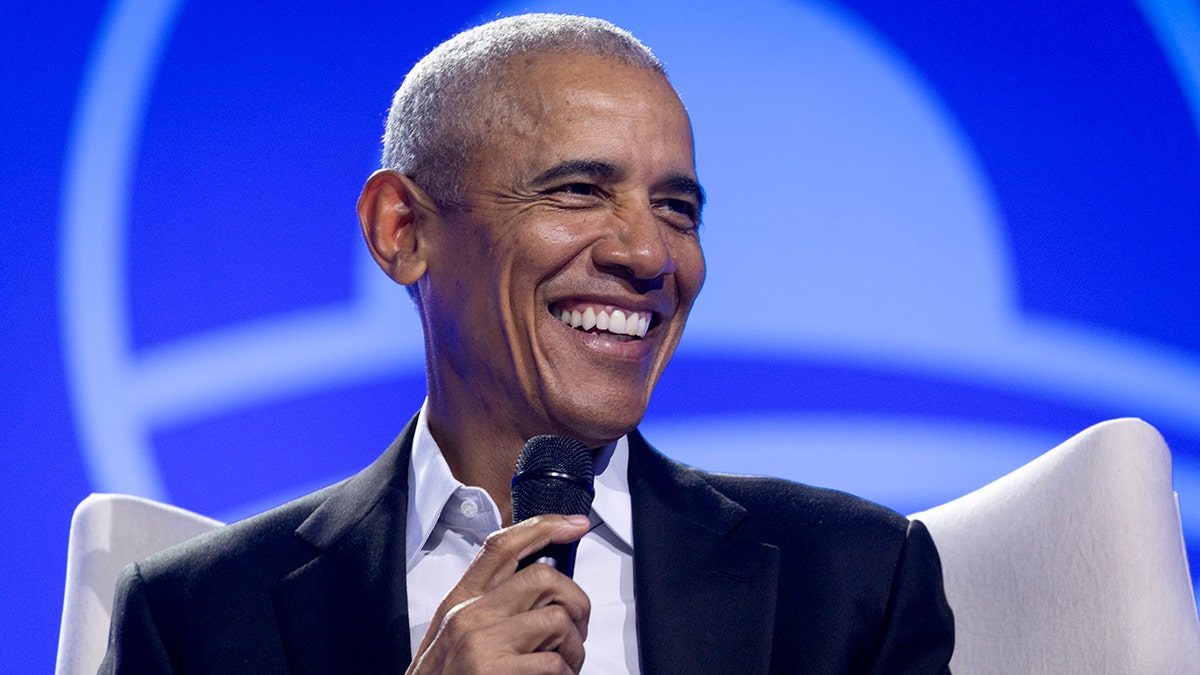
Republicans clearly need a new strategy. As strange as it might sound, one of the best models could come from their former nemesis, President Barack Obama, who managed to pull off one of modern political history’s biggest turnarounds in 2012.
Many have forgotten the uncertainty surrounding Obama’s reelection. The Tea Party’s rise led to a substantial Republican victory in the 2010 midterms. The slow recovery from the 2008 financial crisis and concerns over government spending exacerbated his challenges. Throughout 2011, Obama’s approval remained around the low 40s.
In 2012, Obama adopted strategies Republicans might emulate in 2026. Despite economic discontent, he convinced voters that the problems stemmed from George W. Bush’s administration. Obama argued that returning to past policies could repeat prior mistakes, a narrative that resonated with voters.
Republicans today have a similar chance. They took power during a severe inflation crisis. Housing and consumer goods prices surged under Democratic governance due to various factors, including spending programs and supply chain disruptions. To win in November, Republicans need to persuade voters that reverting to previous policies could worsen the affordability crisis.
The second strategy Obama used highlighted progress despite ongoing challenges. He acknowledged more work was needed but emphasized his administration’s successes in stabilizing the economy post-2008. Republicans could adopt a “Let us finish what we started” message in 2026.
Republicans face an opportunity similar to Obama’s. They took charge amid an inflation crisis and must now argue for continued patience as their policies take effect. Ignoring economic strains risks alienating voters, but acknowledging difficulties while highlighting conservative policies’ benefits could resonate more.
While under President Biden, over 10 million border encounters and numerous illegal entries occurred. Presently, Republicans claim the border is secure. The Consumer Price Index (CPI) increased by 21% from January 2021 to January 2025 under Democrats. Since Republican control, the CPI rose by just 5%, aligning with historical norms. Home prices surged under Biden but have stabilized under Republicans, addressing housing affordability issues.
No accomplishment guarantees victory; elections depend on convincing voters the country heads in the right direction. Like Obama in 2012, Republicans must communicate that obstacles were inherited, measurable progress is underway, and opponents threaten these gains.
Whether this message convinces voters will impact congressional control in November. Failing to address public discontent could lead to defeat. Adapting Obama’s strategy by acknowledging problems and advocating for continued policy support offers Republicans a path forward.
Justin Haskins is a New York Times bestselling author and the president of Our Republic, a national nonpartisan think tank.
Leave a Reply