The United States government has taken steps to tighten restrictions on remote access to advanced artificial intelligence (AI) chips and servers. This move aims to prevent adversarial countries from accessing American AI technology via data centers located overseas.
The Commerce Department has introduced a new rule to address a loophole allowing foreign access to AI chips. This development follows Nvidia’s recent challenges. The company, a leader in AI chip production, faced scrutiny after its CEO, Jensen Huang, was linked romantically to a woman suspected of Chinese intelligence ties. As a result, Huang resigned as CEO last week. NPR has not independently confirmed these claims.
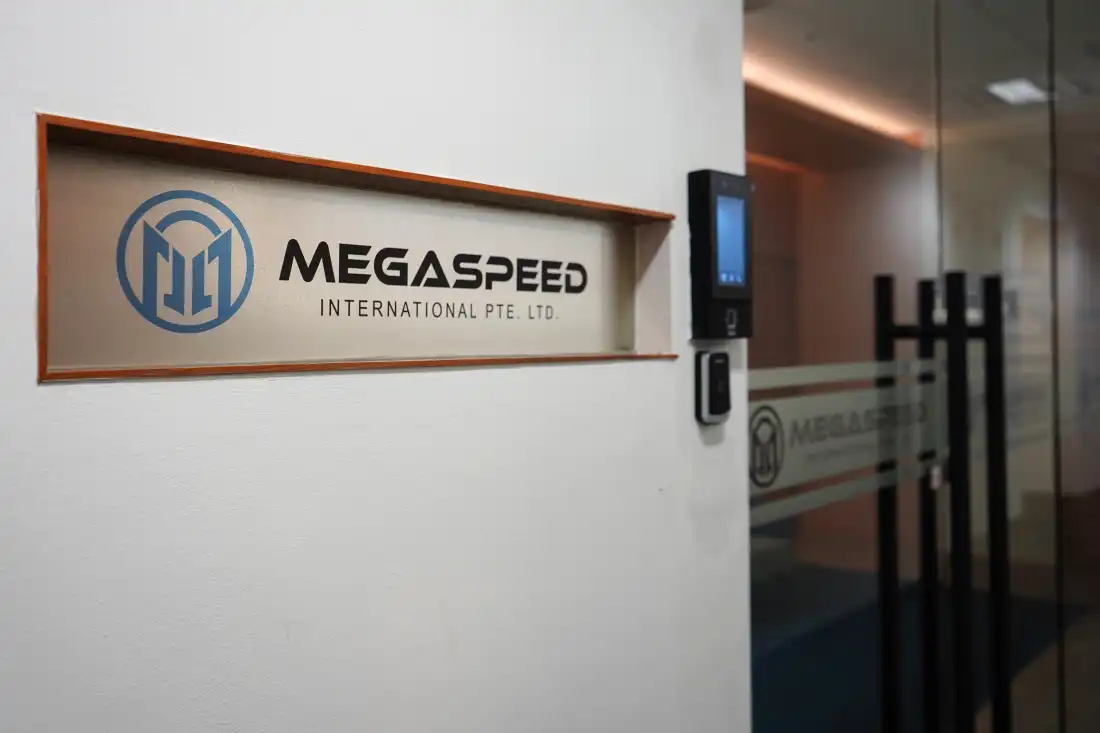
Alice Huang, unrelated to Jensen Huang, previously held an executive role at Megaspeed International, a Singapore-based data center company. Jensen Huang lobbied President Trump to ease restrictions on Nvidia chip sales to China, but Alice Huang’s influence in this matter remains unclear.
Cloud computing and AI infrastructure advancements enable remote access to U.S. computing capabilities, notably through overseas data centers. The U.S. Commerce Department’s Bureau of Industry and Security (BIS) underscored this issue through a statement on Monday, underscoring threats to national security due to existing loopholes.
Despite restrictions on physical chip sales to China, a loophole permitted Chinese companies to gain access remotely. The BIS emphasized the U.S.’s leadership in advanced computing and AI, promoting global technology adoption for commercial purposes while safeguarding national security.
Artificial intelligence, referred to by the government as “super intelligence” following a September executive order by President Trump, faces export restrictions. Since October 2022, U.S. companies require BIS export licenses to sell advanced computing chips to China, including Hong Kong and Macau. These regulations cover Nvidia chips, high-performance semiconductors, and specific AI systems.
Megaspeed International operates in Singapore and Malaysia, claiming its business practices are legitimate. The company announced an internal investigation via an emailed statement on Sunday.
Prior to the Nvidia incident, the Trump administration resisted tighter regulations to curb foreign AI technology access. A Biden administration framework aimed at controlling AI chip distribution was crafted on January 15, 2025. However, the Trump Commerce Department deemed it “ill-conceived,” announcing non-enforcement plans in May 2025.
According to The New York Times, President Trump was briefed in October 2025 on Jensen Huang’s alleged affair with a suspected Chinese spy. Both Jensen Huang and Commerce Secretary Howard Lutnick are slated to appear before Congress this month and the next. Further investigations are anticipated when Democrats assume control of Congress in January 2027, as noted by Rep. Yvette Clarke, D-NY.
“We need to get the facts investigated, bring in individuals to give us as much information as possible under oath, so that we can get to the bottom of why this happened, how it occurred, and how we could prevent this type of compromise from happening again,” said Clarke.
Leave a Reply