In the wake of Venezuelan leader Nicolás Maduro’s removal by U.S. forces, President Trump has suggested that a similar action could occur in Cuba. Trump’s statements, such as “Cuba’s going to be next” and considering “taking Cuba in some form,” indicate his intentions.
Historically, U.S. administrations have struggled to influence Cuba’s communist system, using sanctions but achieving limited results as the country’s economy declined. With worsening conditions in Cuba due to a virtual oil blockade post-Maduro, U.S. officials are pressuring Cuban leaders for reforms.
Key Figures in Cuba
Raúl Castro
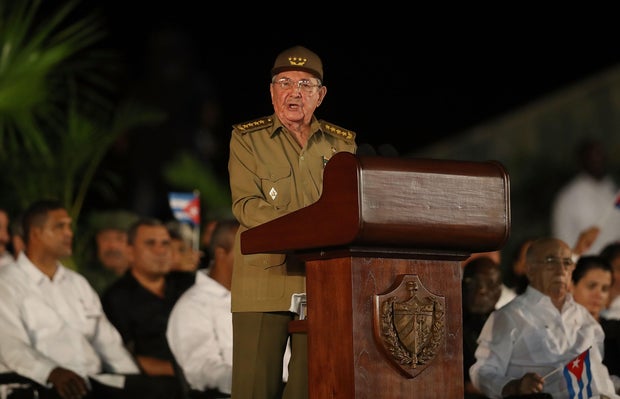
Raúl Castro, Fidel Castro’s younger brother, remains influential in Cuba. Although he stepped down from leadership roles, he faces charges in the U.S. related to the 1996 downing of planes operated by Brothers to the Rescue. Despite stepping down, his influence persists.
Castro’s pragmatic approach included an agreement with Barack Obama in 2014, which improved U.S.-Cuba relations. However, this progress reversed under Trump.
Miguel Díaz-Canel
Miguel Díaz-Canel is Cuba’s president since 2018, and leader of its Communist Party. His presidency lasts until 2028, and he was chosen by Raúl Castro. Despite his role, Trump officials doubt significant changes are possible under Díaz-Canel.
Díaz-Canel has expressed a desire for resolving differences and advancing relations with the U.S., but remains seen as lacking true power by experts.
Oscar Pérez-Oliva Fraga
Oscar Pérez-Oliva Fraga, Raúl Castro’s great-nephew, serves as Deputy Prime Minister and Minister of Foreign Trade and Investment. His position allows him to oversee GAESA, Cuba’s economic powerhouse.
“That’s a fairly significant opening”
He initiated business investment opportunities for Cubans abroad, representing a shift towards economic diversification.
Raúl Guillermo Rodríguez Castro
Known as “Raulito,” Raúl Guillermo Rodríguez Castro is Raúl Castro’s grandson and adviser. Though not formally in government, he acts as a crucial intermediary with the U.S., potentially playing a role in future negotiations.
U.S. Strategy and Cuban Response
The Trump administration may follow its Venezuela approach, seeking an interim leader it can trust. Discussion surrounds candidates like Oscar Pérez-Oliva Fraga.
However, experts remain skeptical of finding a comparable figure to Venezuela’s Delcy Rodríguez in Cuba until now.
“The Cubans are willing to discuss a wide range of economic issues”
Cuba asserts its political sovereignty, with resistance expected to U.S. influence over its leadership choices.
Overall, the U.S. looks for paths to change, focusing on dialogue and pressure, while Cuba emphasizes maintaining its own governance.
Leave a Reply