The Trump administration is preparing to prohibit Chinese-made components essential for data centers. Concerns about reliance on China influence this decision, which seeks to safeguard America’s artificial intelligence (AI) infrastructure. Plans involve barring imports of optical transceivers from China by 2026, as reported by Reuters.
These devices, integral in transmitting data over fiber-optic cables in data centers, face the potential of U.S. Federal Communications Commission review, allowing for possible amendments or cancellations of proposed restrictions. The focus extends U.S.-China AI competition into infrastructure beyond chips and algorithms.
The U.S. has already tightened export controls on advanced AI chips destined for China. This measure strives to hinder technologies potentially beneficial to the People’s Liberation Army and maintain America’s technological advantage. U.S. intelligence agencies have highlighted threats from Chinese-linked hackers infiltrating critical U.S. infrastructure and devices, posing risks of intelligence theft or system disruptions during crises.
Concerns over transceivers include data collection vulnerabilities and long-term reliance on Chinese sources, similar to other products the Trump Administration aims to ban,said Adam Segal, director of the Council on Foreign Relations’ Digital and Cyberspace Policy Program.
The White House has yet to respond to comments on this issue.
Understanding Optical Transceivers
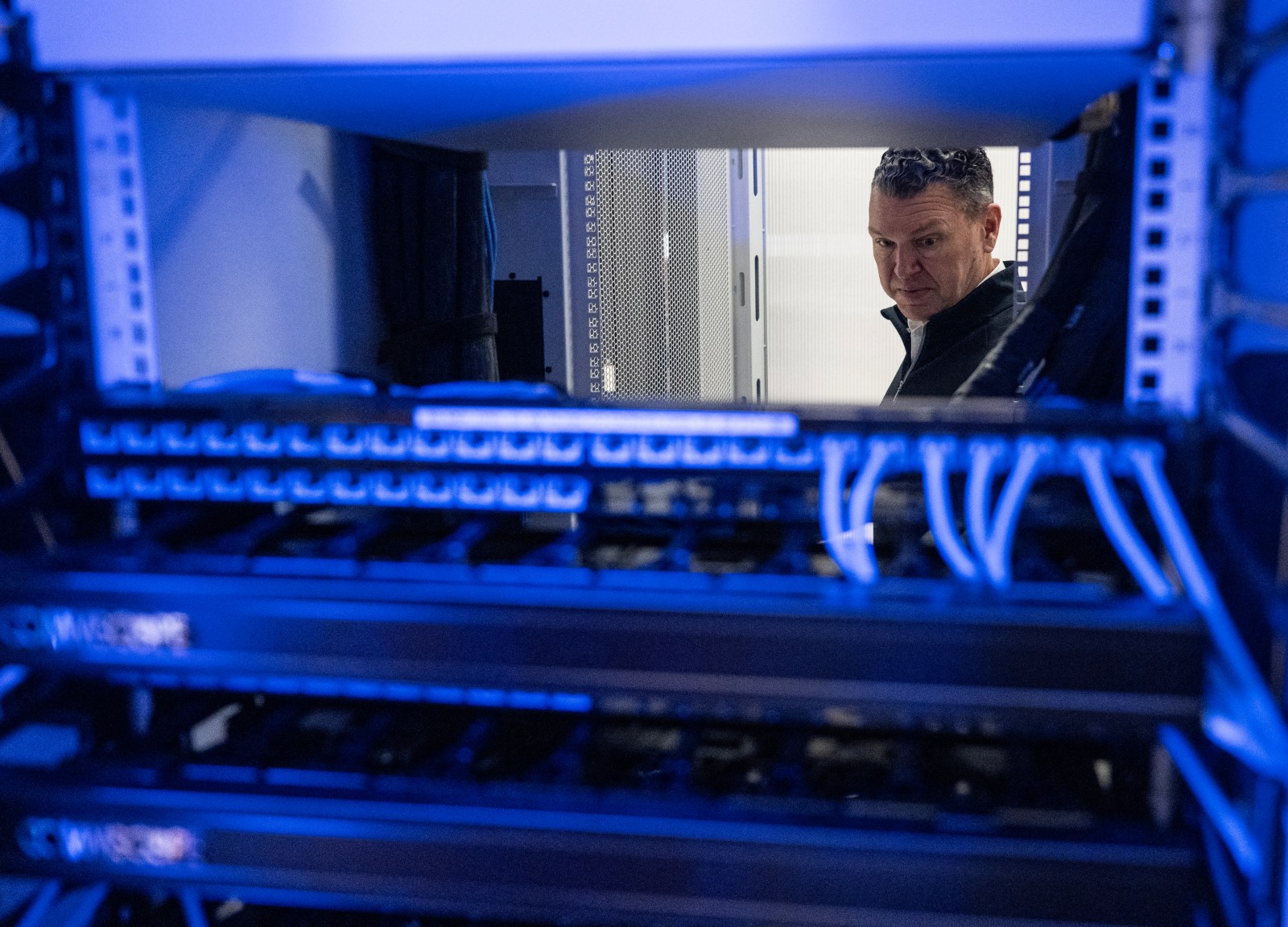
Optical transceivers play a crucial role in modern communication networks, including Ethernet systems and long-distance telecommunications. These devices convert electrical signals to light pulses for data transmission through fiber-optic cables. They are vital in AI data centers, linking AI chips to process and train large-scale data models like ChatGPT and Claude.
Motivation Behind the Ban
Amid cyber vulnerability concerns, U.S. officials also worry about dependency on Chinese suppliers for optical transceivers. Disconnected supply would risk exposure, as noted by Dmitri Alperovitch of Silverado Policy Accelerator. China previously wielded control over rare earth mineral supply during trade disputes, influencing everything from electronics to military equipment.
Analysts warn of repercussions from such a ban. Changes may increase costs and pose uncertainties for large infrastructure operators, potentially hindering AI development initially.
The move could disrupt markets and bilateral relations, according to a Chinese embassy spokesperson, Liu Chang, who urged the U.S. to revoke these practices, labelling them as bullying,said Liu Chang.
Leave a Reply