In mid-February, two boats carrying eight fishermen left Mexico’s Pacific coast but never returned. Drug traffickers claimed U.S. military strikes were responsible, citing recently released videos showing missiles hitting targets identified as ‘narco-terrorists.’ This development has heightened tensions over the past months between the U.S. and Mexico, as Washington threatened to strike cartel targets. Mexican President Claudia Sheinbaum has rejected these actions, stating that the Mexican people will not accept any territorial violations.
The U.S. airstrikes have already hit Mexican vessels in international waters, including the fatal strikes in February on eight men from Nayarit state. Five more Mexicans have reportedly died in similar incidents across Latin America. These events bring attention to the growing issue of maritime narcotics trafficking and how some Mexican fishermen are getting caught up in the drug trade.
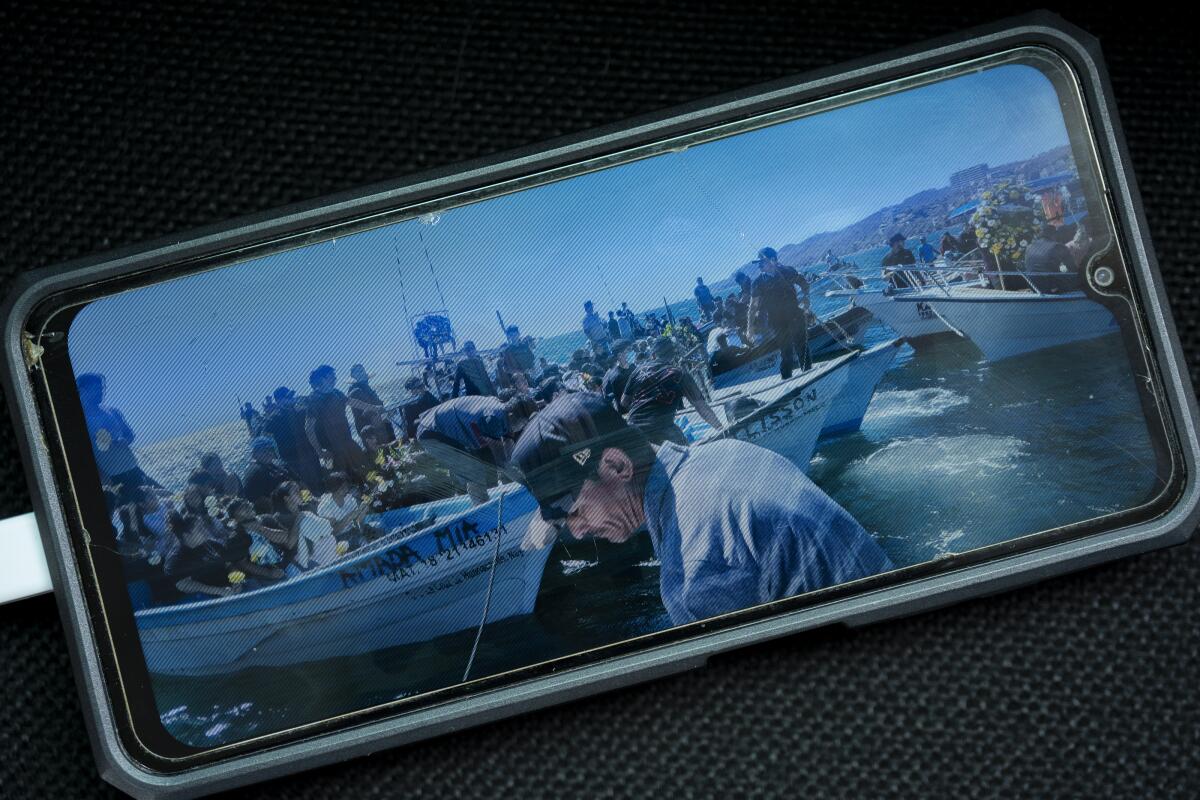
In towns like La Cruz de Huanacaxtle, home to seven of the deceased, legal fishermen now fear being mistakenly targeted. Father Rigoberto Cruz, a local Catholic priest, noted that while those involved were aware of the risks, their deaths have resulted in a community-wide reflection.
The strikes resulted in 221 deaths since September, sparking human rights outcry and legal debates. Mexican victims have received little acknowledgment from their own government or international sources. The U.S. has not disclosed location details of 64 strikes, only stating that they occurred in international waters.
Mexico’s navy spokesperson, Moisés López Pedroza, confirmed no strikes within Mexico’s Exclusive Economic Zone. However, a Times investigation revealed multiple instances where fishermen disappeared, aligning with U.S. strike reports. In some cases, local officials have confirmed U.S. missiles as the cause of these disappearances.
The situation brings up ethical questions and further strains U.S.-Mexico relations. Locals in La Cruz de Huanacaxtle admit that the men occasionally transported gasoline to refill cartel boats at sea. These actions, although illegal, do not make them terrorists, as emphasized by their family members.
Local journalist Agustín Del Castillo highlights the precarious nature of the fishermen’s economic conditions, which cartels exploit. Following the killing of cartel leader Nemesio Oseguera Cervantes, tensions and security fears have increased in the region.
Mexico’s late response involved deploying the navy to search for survivors after U.S. strikes. President Sheinbaum later announced an agreement for the Mexican navy to intercept suspected vessels closer to shore, striving to prevent further strikes.
Although U.S. strikes aim to reduce drug flow, cocaine prices and seizures in the U.S. have shown minimal change. Criticism remains over the targeting methods and lack of evidence for trafficking on some struck vessels, with legal and human rights advocates objecting to what they see as violations of force laws.
In La Cruz de Huanacaxtle, a fisherman expressed fear over potentially becoming a strike target, saying, ‘Every time I hear a plane fly overhead, I wonder if it’s coming to kill me.’
Special correspondent Cecilia Sánchez Vidal from Mexico City contributed to this report.
Leave a Reply