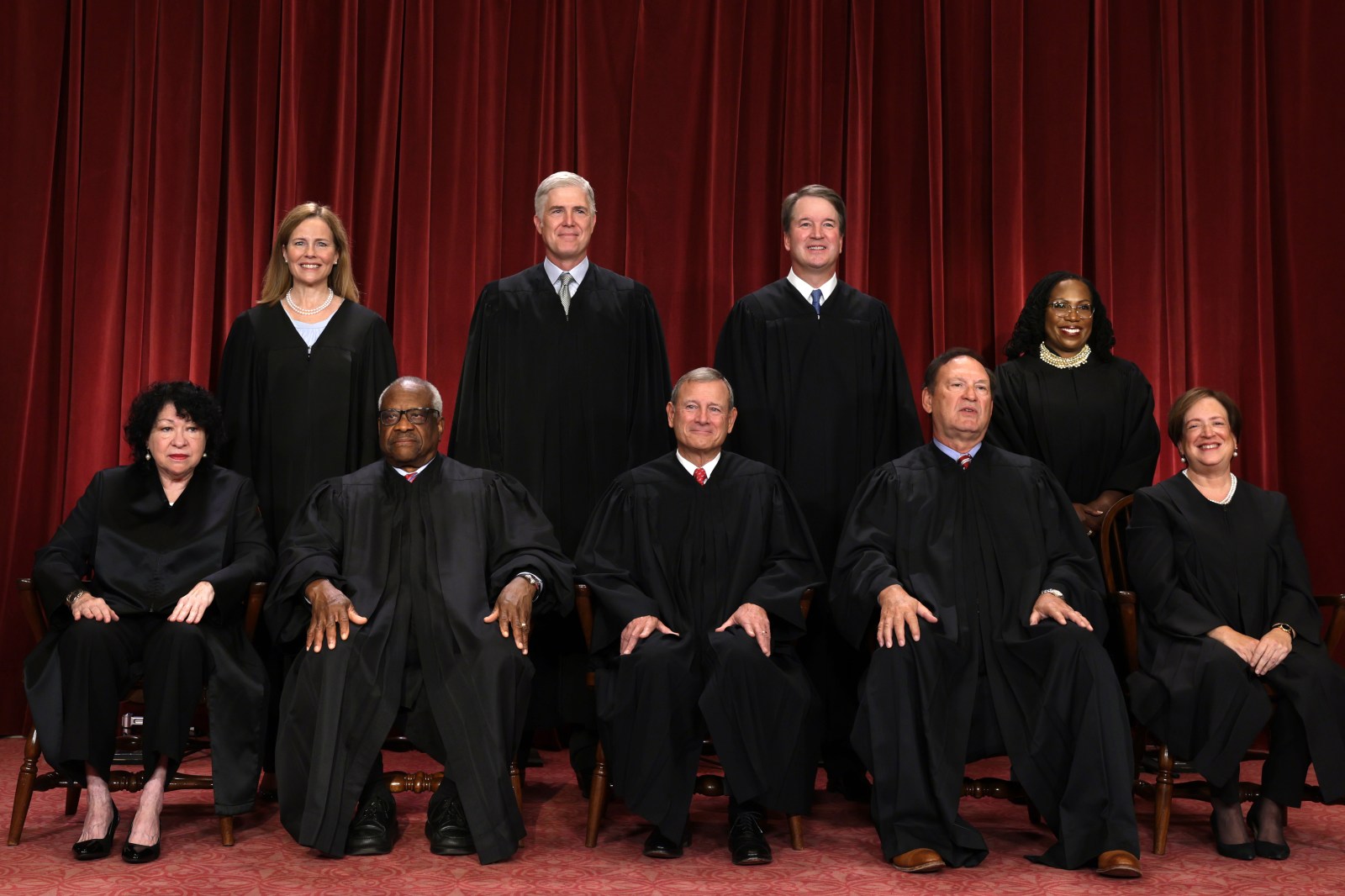
The U.S. Supreme Court’s new term begins this week, with decisions on the Second Amendment, voting rights, and climate lawsuits ahead. These cases hold critical implications for U.S. legal questions and political debates. As trust in the court wanes, polls indicate it is seen as increasingly political.
Previously, the court handled significant issues such as President Trump’s policies, tariffs, and voting rights. With 29 cases set for the new term and more expected, the court’s docket remains in progress. Here are three significant cases they will decide:
Voting Rights: Republican National Committee v. Mi Familia Vota
This case challenges Arizona’s election laws requiring proof of citizenship for voter registration and removing non-citizens from voter rolls. The Ninth Circuit Court previously found federal law preempts these state laws. The Supreme Court will consider whether federal regulations prohibit Arizona’s requirements.
Paul Collins, professor at the University of Massachusetts Amherst, suggests the conservative majority may support policies complicating voting, aligning with the Republican National Committee (RNC).
Second Amendment: Viramontes v. Cook County
This case addresses whether the 2nd and 14th Amendments protect the right to own AR-15s. Petitioners argue these rifles are in common use. The Cook County State’s Attorney defends their ordinance, stressing the harm caused by assault weapons.
Collins believes the conservative court may favor gun rights, potentially overturning the ban on AR-15s.
Climate Change Lawsuits: Suncor Energy v. Boulder County
Boulder, Colorado, is suing energy companies for damages linked to climate change impacts. The court will determine if federal law precludes state-law claims on climate damages. Justice Samuel Alito recused himself, given his stock ownership in a related company.
Collins anticipates the conservative justices may support energy companies. However, a tie due to Alito’s recusal would not favor them.
Supreme Court Faces Low Trust
A Gallup poll reveals only 34% of Americans approve of the Supreme Court, with views dividing along party lines. Paul Collins sees an opportunity for conservative justices to address declining trust through their decisions.
Justice Ketanji Brown Jackson critiqued the court’s emergency docket usage, noting its expedited process lacks oral arguments. Chief Justice John Roberts cautioned against disregarding precedent without care.
Trump Criticizes the Supreme Court
Former President Trump challenged the court’s refusal to back Missouri’s congressional map for elections, highlighting previous disagreements on tariffs and citizenship. He expressed his views on Truth Social, noting dissatisfaction with certain court decisions.
Leave a Reply