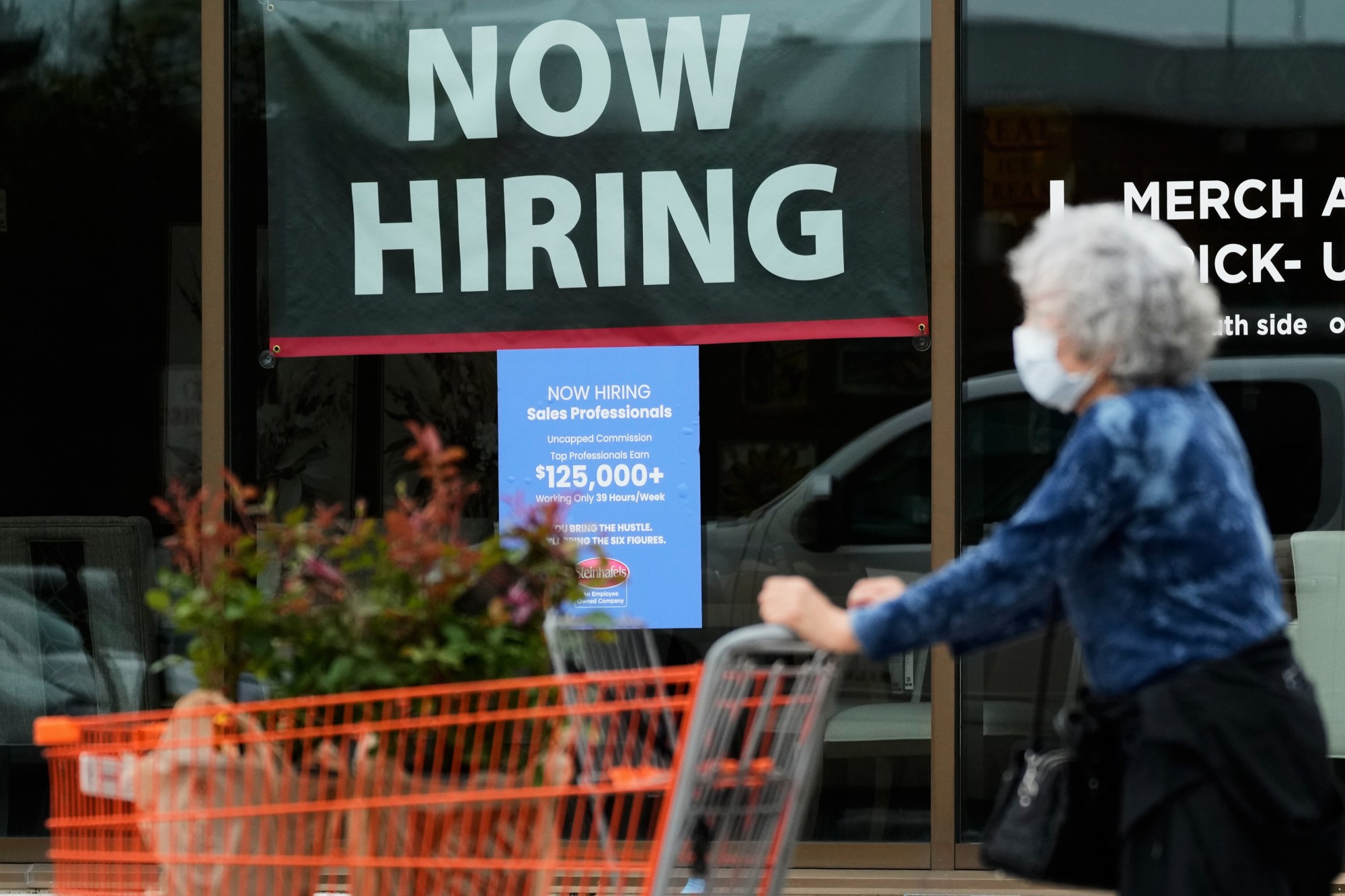
According to the latest data from the Labor Department, fewer individuals filed for unemployment benefits in the U.S. last week, signaling that layoffs remain minimal and most Americans enjoy job stability. The claims decreased to 206,000 from a revised figure of 212,000 the previous week.
The four-week average of these claims, which helps smooth out fluctuations in the data, slightly increased to 204,000 from 199,750. Jobless benefit claims serve as a proxy for layoffs, providing insights into the direction of the job market. Over the past year, weekly claims have remained within a historically low range of about 200,000 to 230,000.
The labor market shows no significant impact from rising oil prices since the conflict with Iran and the global energy supply shock began,” noted Carl Weinberg, the chief economist at High Frequency Economics.
The number of individuals collecting unemployment benefits for the week ending August 8 rose to 1.8 million from 1.78 million, with the national unemployment rate standing at a low 4.1%. This resilience is partly due to the economy’s ability to withstand increased energy costs. President Donald Trump’s immigration policies and the continued retirement of baby boomers have also reduced competition for jobs. Over the past year, over 1.3 million people have exited the labor force.
The current job market presents challenges for new job seekers and those displaced from previous employment. Due to memories of worker shortages after COVID-19 lockdowns, companies are hesitant to lay off staff, yet they remain cautious about hiring new employees. Economists describe this as a “no hire, no fire” environment.
In July, employers, including companies, government agencies, and nonprofits, cut 23,000 positions. So far this year, the average monthly job addition is 61,000, an improvement from last year’s 9,700, the lowest figure recorded outside a recession since 2002. High interest rates and Trump’s inconsistent trade policies have previously discouraged hiring in 2025. Although hiring figures this year lag behind the 166,000 monthly average of 2023 and 2024, they are far below the 491,000 monthly average during the post-pandemic hiring surge of 2021-2022.
Leave a Reply