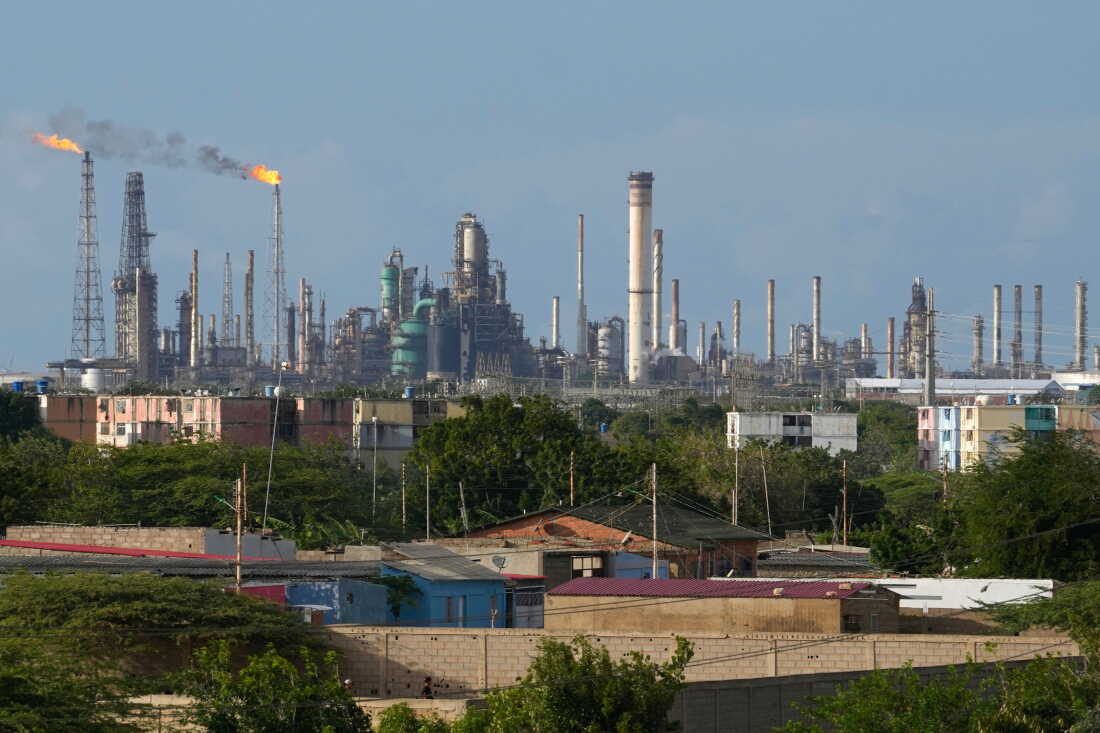
The White House announced a new partnership with North American Blue Energy Partners, aiming to tap into Venezuela’s oil reserves. This initiative aligns with President Donald Trump’s strategy to integrate Venezuela’s oil industries into U.S. energy frameworks, providing the Pentagon a stake in approximately 20% of Venezuela’s total oil reserves.
The Trump administration shared further details about the deal, promoted as the largest oil agreement in history. Analysts remain cautious, suggesting that reviving Venezuela’s production could face lengthy delays, despite Trump’s aim to establish a significant oil player in the Western Hemisphere.
Details of the Agreement
The U.S. has established a private joint venture company with NABEP, led by Venezuelan businessman Alejandro Betancourt. As Venezuela’s second-largest operator, NABEP has been granted 100-year access to 17 oil fields, representing about 65 billion barrels of proven reserves, some previously held by Russian and Chinese entities.
“Venezuela’s natural resources and hardworking populace harbor immense potential,” Betancourt remarked, appreciating the deal’s promise of mutual economic benefits for Venezuelans and Americans.
With over 15 years in Venezuela’s oil industry, Betancourt’s company employs over 5,000 individuals and collaborates with more than 10,000 contractors. The joint venture grants the Pentagon’s Office of Strategic Capital a 35% ownership stake. The U.S. can purchase 20% of the oil output at production cost, coordinated by the State Department. Defense Secretary Pete Hegseth and Secretary of State Marco Rubio formalized the deal, which comes with a commitment to invest $100 billion in new oil infrastructure.
Political and Economic Challenges
Despite Trump’s promise to impact U.S. gas prices, immediate effects are unlikely. The strategic move follows a military mission in January that detained former President Nicolás Maduro. Trump highlighted Venezuelan heavy oil’s potential for pulling down prices and producing various goods, though he acknowledged realistic expectations regarding the timeline for significant price reductions.
The White House asserts that the agreement, governed by U.S. law, carries no cost for the United States. However, some experts warn of political risks, noting the possibility of future governmental disputes in either country over the agreement’s terms.
Responses within Venezuela and the U.S.
Venezuela’s acting President Delcy Rodríguez supports the deal as a means to revitalize and modernize the nation’s oil industry. She insists on safeguarding national sovereignty amid criticisms of resource allocation to the U.S.
Congressional Concerns
American lawmakers have expressed their demand for more transparency regarding the agreement. Rep. Rick Crawford, House Intelligence Committee Chairman, seeks more information from the administration soon. Sen. Jack Reed, top Democrat on the Senate Armed Services Committee, criticized the deal’s military involvement in private ventures, urging comprehensive legal insights into the arrangement.
As oil prices reflect a 28% increase due to ongoing geopolitical tensions, the Trump administration plans meetings with oil refiners to explore enhancing refining capacities within the U.S. This step aligns with the necessity to accommodate increased Venezuelan oil imports. The meeting brings in key officials, including Interior Secretary Doug Burgum and Energy Secretary Chris Wright.
Leave a Reply