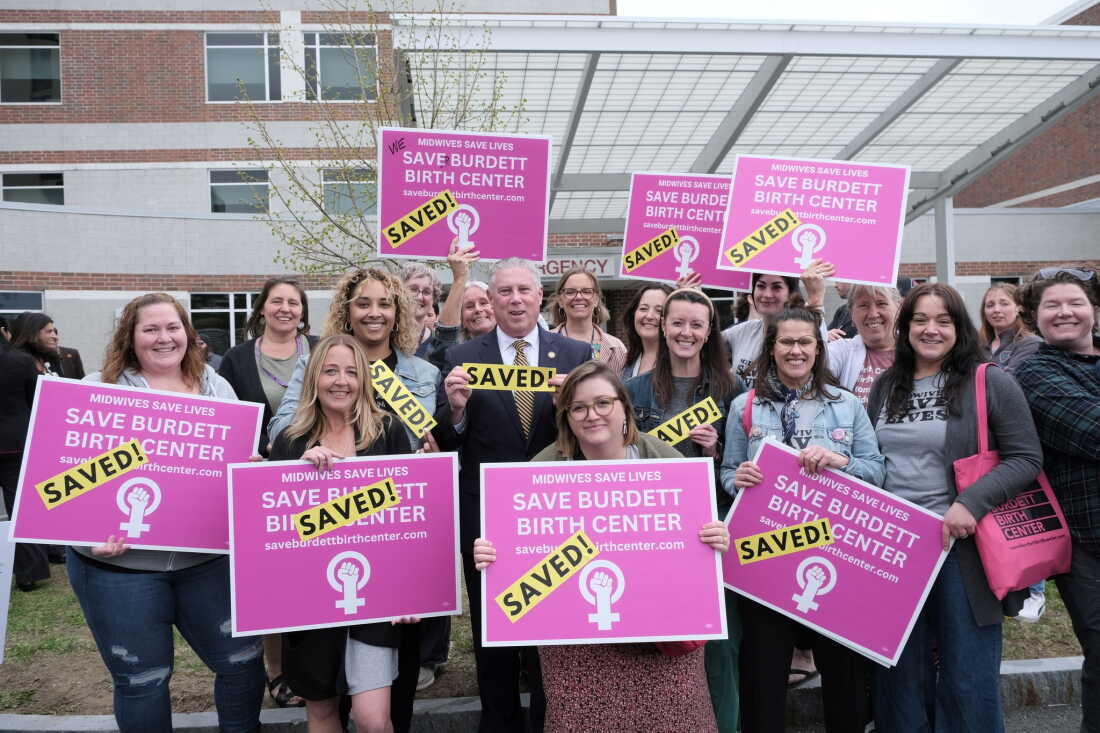
In Troy, New York, State Assembly member John T. McDonald III has secured $5 million in state funding to prevent the closure of the Burdett Birth Center. This funding is crucial for keeping the center open in this aging industrial city.
The proposed closure left many residents, including Starletta Washington, head of the local YWCA, in disbelief. She emphasized the importance of local birthing services, stating that without the center, emergency deliveries would become the norm.
Since 2010, hundreds of maternity units have been closed across the nation as areas shrink and hospitals combine into larger systems. Yet, Troy managed a different outcome. Elected officials and community leaders united to challenge Trinity Health’s closure plan, drawing diverse supporters including patient advocates, mothers, midwives, doulas, and even Planned Parenthood alongside the Catholic diocese.
The Burdett Birth Center has been integral to the Troy community, serving as a model for patient-focused care. It reported lower C-section rates compared to statewide averages, and fewer preterm births and low birth weights. Residents like Lidia Zambrano-Madera appreciated its proximity and quality of care, making her reluctant to consider alternative locations.
Three years back, Trinity Health, citing financial losses, announced plans to close Burdett. Families would need to travel up to 30 minutes to an Albany-based Trinity hospital. This announcement was met with significant resistance.
The sudden closure plan drove locals to rally for Burdett’s survival. T-shirts were created, and protests organized at the YWCA and farmers market. Surveys highlighted the challenge for the 25% of residents without car access.
Jessica Hayek, a campaign leader, and others criticized Trinity’s lack of local understanding and corporate decision-making, despite its healthy financial margin. The closure seemed disconnected from the community’s needs.
The backlash against Trinity was widespread, crossing political lines. Republican leaders echoed the concerns of reduced personal patient care due to corporate hospital atmospheres. Bishop Edward Scharfenberger condemned the closure proposal as contradictory to Catholic values.
Despite initial insistence, Trinity faced investigations led by powerful state officials, notably Attorney General Letitia James. Bipartisan efforts rallied to secure state funding, representing collaboration across party lines.
Ultimately, Trinity agreed to keep Burdett open. Lois Uttley, a researcher with experience in hospital consolidations, noted the growing skepticism toward corporate healthcare promises. As these closures continue, communities are increasingly questioning such decisions.
McDonald suggests Troy’s story offers hope. Through collaboration and open dialogue, effective community outcomes can be achieved.
The journey to save Burdett reflects a wider challenge faced by communities nationwide, as they navigate the complexities of healthcare, seeking solutions that prioritize patient needs over profits.
Leave a Reply