UConn international student Sadaf Zarei spoke about the challenges faced by the Iranian women’s soccer team. The team’s captain discontinued her asylum request in Australia due to fears for her family’s safety from the Iranian regime. Zarei highlighted issues like digital blackouts and human rights violations in Iran. She called for an end to the government in power.
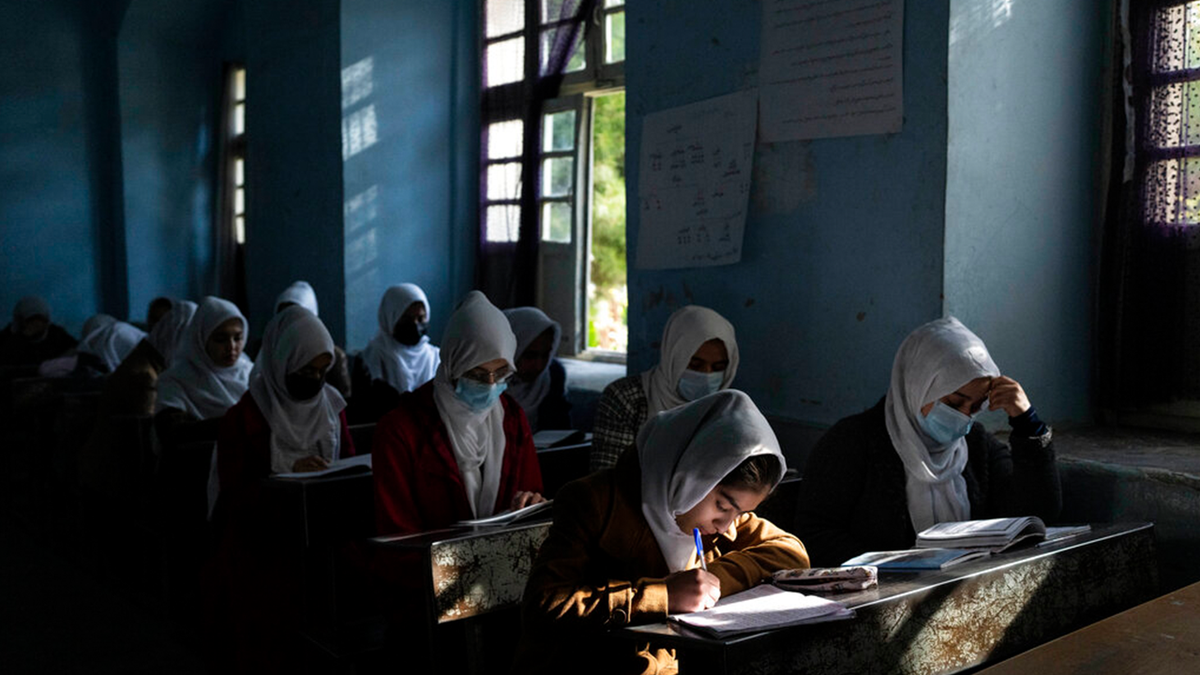
In Afghanistan, five years after the Taliban’s return, about 2.4 million girls are unable to attend secondary school. This situation has erased years of educational progress for young women. Afghanistan remains the only country where females are formally barred from education beyond primary school, as reported by UNESCO.
“Women have been erased from public life, and as new generations grow without education, their future dims,” UNESCO stated.
Since August 15, 2021, when U.S. and NATO forces withdrew, the Taliban has imposed restrictions on education, employment, and public activities for women and girls. Despite international pressure, including from the United Nations and Islamic countries, these restrictions remain. This has caused a significant setback in educational achievements for Afghan girls.
In 2001, girls’ access to education was severely limited. By 2021, nearly one million girls were attending secondary school. Now, the Taliban’s policies impact not just education but also Afghanistan’s economy. Nearly half of its population lives below the poverty line. Women banned from working can’t fully support their families or contribute economically.
Excluding girls from schools also affects their mental health and physical well-being and elevates the risk of early marriage. Afghan boys are also impacted since female teacher bans exacerbate teacher shortages, affecting education quality.
UNESCO has initiated community-based programs to maintain education for women and girls. These include literacy classes and skills workshops, with over 70,000 participants, 73% of whom are women. Programs occur in community spaces and homes, with over 1,000 facilitators involved, most trained by UNESCO and partners. UNESCO reports success in improving household incomes and livelihoods through these efforts.
“Afghanistan’s girls and women have the right to learn, work, and shape their futures. The global community must not ignore their plight until their rights are restored,” UNESCO urged.
Efforts are ongoing to press the Taliban to lift the educational ban on females. UNESCO declared these rights are non-negotiable and vital. The Associated Press contributed to this report.
Leave a Reply