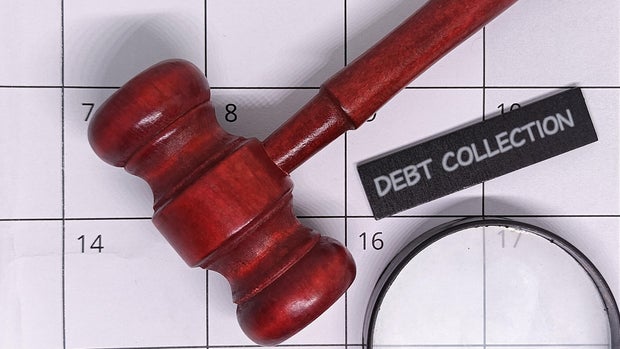
Managing debt can be challenging, and it becomes even more so when a debt is turned over to a collection agency. The frequent calls and letters can amplify stress, especially if you are already facing financial difficulties. However, debt collections do not automatically lead to disastrous outcomes. Understanding your rights and options can aid in navigating these situations.
What Happens When Debt Goes to Collections
Your account may shift from your original lender to a collection agency. You begin receiving communications from third-party collectors focused on recovering the unpaid balance. Notifications typically include phone calls, letters, and emails.
Under federal law, collectors must provide a validation notice. This contains details about the debt and the creditor, ensuring its legitimacy. If something seems wrong, you have 30 days to contest the debt. Disputing requires the collector to halt activities until verified.
Understanding Collections Consequences
Wage Garnishment Requires Legal Action
One common fear is wage garnishment. However, collectors cannot garnish wages without first filing a lawsuit and obtaining a court judgment. Certain debts like federal student loans follow different rules. Addressing debts early can protect you from severe measures.
Impact on Credit Scores
Delinquent accounts can harm your credit score. Missed payments might have lowered it before reaching collections. The collection entry can remain on your report for seven years. Some agencies report accounts differently, impacting your credit based on the debt type and scoring model.
Debunking Arrest Myths
Debtors cannot be arrested for unpaid consumer debts. It is illegal for collectors to threaten arrest as a collection tactic. However, ignoring legitimate court orders may result in separate legal penalties.
Exploring Resolution Options
Negotiate with Collectors
Negotiation is possible with collection agencies. You may settle for less or establish a manageable payment plan. For example, instead of a lump sum, arrange lower monthly payments. Confirm debt legitimacy and record the terms in writing.
Controlling Collector Communications
Collectors must adhere to communication rules. Calling times are restricted between 8 a.m. and 9 p.m. without permission. They cannot harass or use abusive language. Written requests can cease contact, though certain legal notices may continue.
Ultimately, facing debt collections requires understanding your legal protections and potential solutions. Before assuming severe outcomes, verify debts and consider negotiating, seeking credit counseling, or consulting a debt relief company.
Leave a Reply