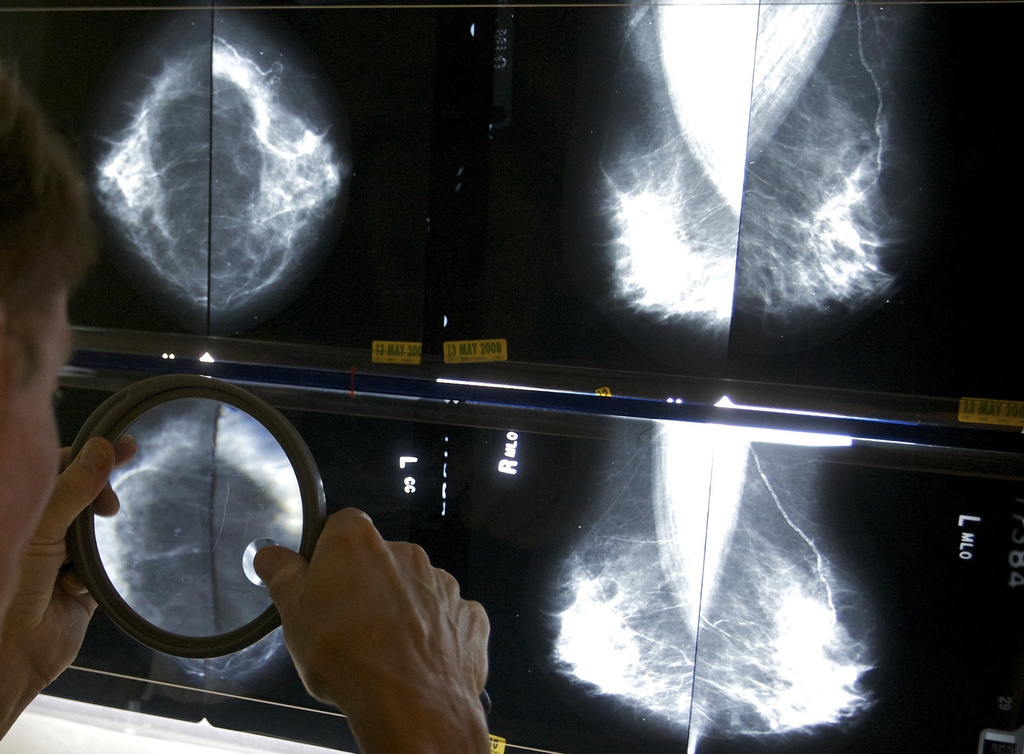
A radiologist checks mammograms for breast cancer, highlighting the significance of understanding personal breast cancer risk. My mother’s journey as a triple-negative breast cancer survivor underscored this importance for me. After a risk assessment revealed my high likelihood of developing breast cancer, I opted for a double mastectomy to mitigate future risks. This decision reinforced my belief that every woman should have the opportunity to understand her risk and make informed health choices.
Breast Cancer Awareness Month highlights progress in reducing breast cancer deaths and the challenges that remain. Increased accessibility to screening and detection is enabling women to identify risks and address diagnoses early. Yet, there is still much work to do against this disease. We must close care gaps, particularly in areas like rural Louisiana, and lower barriers that prevent women from understanding their breast cancer risk. A universal risk assessment tool is crucial.
Risk assessment tools evaluate breast cancer likelihood based on factors such as family history and lifestyle. However, the variety of tools, each with different metrics, often leads to confusion. A study by the National Institutes of Health indicates many women are unaware of these tools’ value. A universal assessment and improved education on its benefits could help women understand their risk and take necessary action.
The ‘Know Your Risk Act’ aims to establish this change. The bill instructs the Department of Health and Human Services to create a universal tool that expands access to risk assessment via the National Breast and Cervical Cancer Early Detection Program. Presently, various breast cancer risk assessment tools exist with differing accuracy and effectiveness. A consistent, evidence-based approach is essential.
Current tools are inconsistently used in clinical settings and available in formats like paper and digital forms, evaluating populations differently. A universal tool would offer women clearer access to risk information, encouraging discussions with doctors about preventive measures. Early intervention was crucial in guiding my decisions, allowing me to take preventive actions. Ensuring every woman has this chance requires top health agencies to ensure no American remains uncertain about her breast cancer risk.
“One in eight women will face breast cancer in their lifetime, and early intervention enhances treatment effectiveness and survival odds.”
If every woman can access a reliable risk assessment, prevention and care will improve. I will continue advocating for this goal.
Rep. Julia Letlow represents Louisiana’s 5th District in the U.S. House of Representatives, serving as vice-chair of the House Appropriations subcommittee on healthcare issues.
Leave a Reply