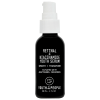
Retinal is emerging as a standout topical skincare ingredient, potentially outshining retinol. Dermatologists appreciate retinol for its ability to promote skin cell turnover and encourage collagen production – the skin fiber that maintains firmness and smoothness. Yet, retinal may surpass it in effectiveness.
What is Retinal?
Retinal, short for retinaldehyde, is a more potent derivative of vitamin A compared to retinol. It is part of the retinoid family, which also includes retinol. Retinal smooths skin texture, clears breakouts, evens skin tone, and softens fine lines and wrinkles.
Retinoids serve as vitamin A derivatives helpful for acne, wrinkles, and hyperpigmentation, states Dr. Gloria Lin from Schweiger Dermatology in New York City.
While some retinoids are prescription only, others, like retinal, are available over-the-counter at lower strengths. Retinal stands out as the most potent among OTC options, according to Lin.
Top Picks for Retinal Products
The choice of retinal product hinges on your experience with retinoids and your skin type. Below, expert-recommended face serums and creams assist in improving wrinkles, fine lines, breakouts, and more. Each product incorporates moisturizing ingredients, many with fragrance-free formulations to minimize irritation.
- Best Overall: A fragrance-free serum recommended by both Jacobs and Lin, suitable for most skin types. It is vegan and cruelty-free, containing 0.15% retinal, niacinamide, and ceramides to nourish skin.
- Best Budget Pick: An overnight serum features two retinoids: 1% granactive retinoid and 0.06% retinal combined with hyaluronic acid for hydration.
- Best for Beginners: With a low 0.05% retinal concentration, it features an easy-to-apply cream serum texture. The retinal is encapsulated, preserving efficacy during absorption.
- Most Versatile: This night cream uses 0.05% retinal alongside antioxidants, peptides, and botanical oils to hydrate, protect, and renew skin.
- Editor’s Pick: Pairs retinaldehyde and alpha hydroxy acids, providing a dual approach to addressing fine lines and dark spots.
- Best Splurge: A night serum recommended by Russak targets fine lines and wrinkles with gradual introduction.
- Most Gentle: A Korean brand serum with 0.1% retinal, ceramides, and ectoin for preventing inflammation.
- Best K-beauty Retinal: Eye cream with retinal for reduced fine lines, ginseng extract for firming, and niacinamide for brightening.
- Best for Sensitive Skin: A fragrance-free cream with adjustable retinal strengths, vitamin E, peptides, and thermal spring water.
- Best for Mature Skin: Targets sagging and deep wrinkles, containing retinal, oat lipids, and botanical extracts.
- Best for Dull Skin: Offers brighter complexion and even skin tone, combating fine lines and loss of firmness.
- Best for Acne-Prone Skin: Combines retinaldehyde, jojoba seed oil, and adapinoid for soothing skin and minimizing acne triggers.
Factors to Consider When Selecting Retinal Products
Selecting the right retinal product involves consideration of concentration, additional ingredients, and delivery system.
- Concentration: Ranges from 0.05% to 1% to accommodate different skin types.
- Additional Ingredients: Pairing retinal with soothing elements to counter dryness.
- Delivery System: Encapsulation helps stabilize retinal and reduce irritation.
Benefits of Retinal
Retinal offers benefits similar to other retinoids: improving skin cell turnover, reducing fine lines, treating acne, and equalizing skin tone to address hyperpigmentation.
Products containing retinal are beneficial for those with aging skin concerns, acne, or texture irregularities, says Russak.
- Target individuals with aging skin signs.
- Assist those aiming to clear and prevent acne breakouts.
- Suitable for improving skin tone and reducing scars.
Shopping for the Right Retinal Product
When searching for the ideal retinal product, consider concentration, skin type, and tolerability for optimal results.
Begin with lower concentrations and adapt as your skin becomes accustomed, advises Russak.
- Skin Type: Choose between 0.05% and 0.1% concentration based on skin condition and history with retinoids.
- Tolerability: Formulation impact on sensitivity, with hydrating elements or encapsulation to minimize irritation.
Understanding the Difference: Retinol vs. Retinal
Retinol and retinal are both retinoids but differ in chemical structure. Retinol requires conversion to retinal to become active retinoic acid, the final active form delivering benefits.
Retinal delivers quicker results by converting directly into retinoic acid, says Russak.
Recent research illustrates that retinal provides fewer side effects compared to retinol. Despite its potency, individual tolerability varies, and some conditions may be exacerbated. Usage recommendations favor lower concentrations to start and increase as skin adjusts.
Expert Dermatologists on Retinal
The article features insights from dermatologists Dr. Gloria Lin, Dr. Michael Jacobs, and Dr. Julie Russak, emphasizing independent recommendations free from financial conflicts.
NBC Select, where expertise in beauty and health guides readers in discovering the most effective retinal products, partners with dermatologists to ensure informed decisions.
Leave a Reply