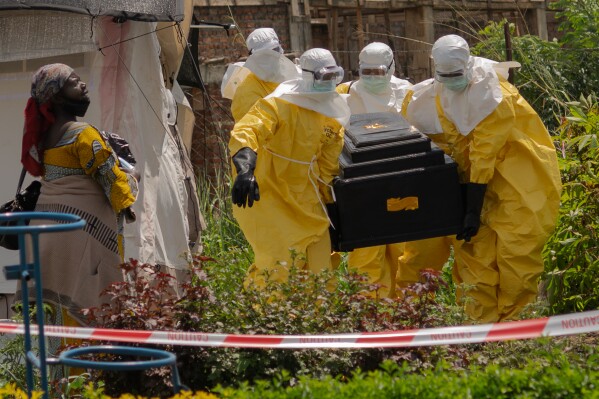
The virus triggering the recent outbreak in Congo, linked to over 130 fatalities, is less common than those typically causing Ebola. This rarity complicates the response, as no specific treatments or vaccines exist.
Limited Preparedness for Clinical Trials
Dr. Celine Gounder, an infectious disease expert, mentioned that nothing is close to being ready for clinical trials. Healthcare workers must rely on basic measures. Dr. Vasee Moorthy from the WHO stated that the most promising Bundibugyo vaccine could take six to nine months to become available.
The Bundibugyo Virus Background
The Bundibugyo virus has led to two other outbreaks, all within the Congo River basin, noted Dr. Tom Ksiazek from the University of Texas Medical Branch. The U.S. Centers for Disease Control and Prevention first identified the virus in 2007. Other viruses causing Ebola include the Ebola virus (Zaire virus), the Sudan virus, and the Taï Forest virus, which rarely cause large outbreaks.
Modes of Transmission
The virus is transmitted through direct contact with bodily fluids from sick or deceased individuals, such as sweat and blood. Healthcare workers and family members caring for the sick face the highest risk. Dr. Gounder highlighted that doctors and nurses are often among the first to become infected.
Mortality and Risks of Bundibugyo
The Bundibugyo virus may have a lower mortality rate than the Ebola or Sudan viruses. However, Dr. Gounder stated that a 30% mortality rate remains significant.
Treatment Without Vaccines
During previous Bundibugyo outbreaks, early identification of initial cases allowed swift public health responses. Ensuring healthcare workers have proper protective gear, tracing contacts, and isolating exposed individuals while providing supportive care significantly reduce mortality. Providing IV or oral fluids is crucial for patient care, according to Dr. Gounder.
Efforts to Control the Outbreak
Health workers are striving to find and isolate cases, trace contacts, and educate communities about virus prevention. Safe burial practices, critical during the West African Ebola epidemic, help prevent transmission. Lina Moses, an epidemiologist, emphasized the importance of public education, contact tracing, and quick testing in controlling the outbreak.
Historical Success in Outbreak Control
Lina Moses noted that every Ebola outbreak in the Democratic Republic of the Congo has been contained, with the current being the 17th instance.
Support for Research and Reporting
The Associated Press Health and Science Department receives backing from the Howard Hughes Medical Institute’s Science and Educational Media Group and the Robert Wood Johnson Foundation. AP maintains responsibility for content.
Leave a Reply