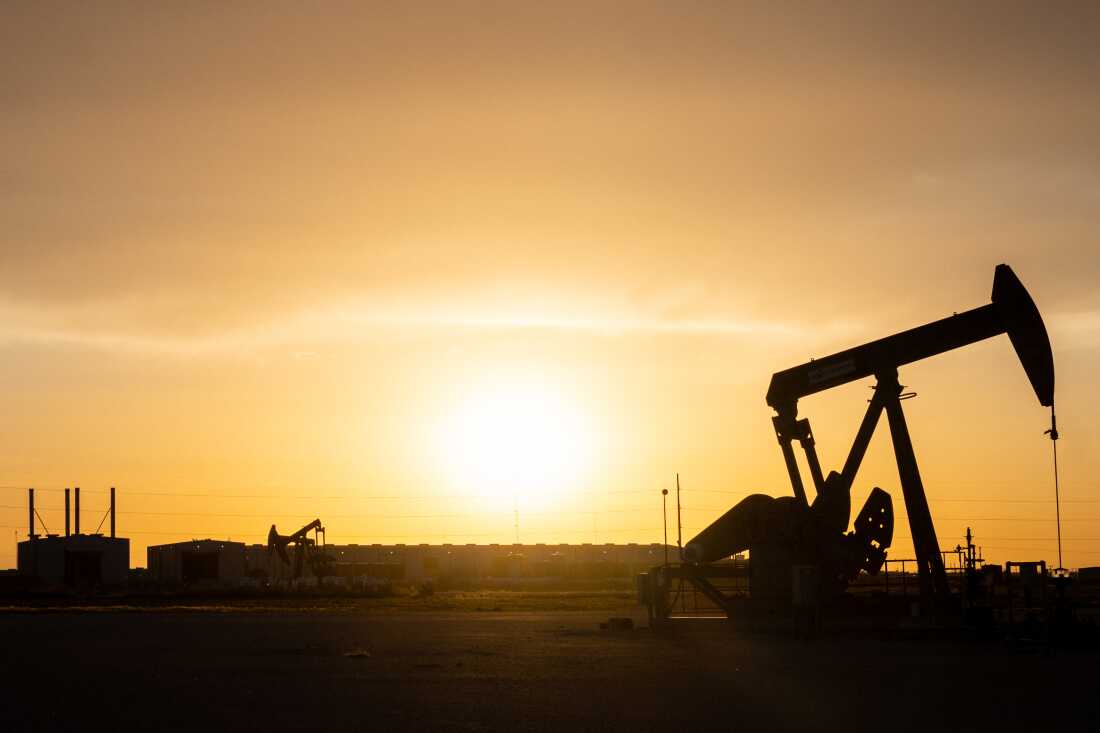
Oil prices have increased significantly since conflicts involving the U.S. began, yet the cost to produce oil has remained relatively stable. The American Petroleum Institute notes that production costs haven’t changed much. Lawmakers in the U.S. are now considering taxing oil companies on their windfall profits.
Oil Prices and Profits
Recent tensions with Iran have caused oil prices to surge. This increase affects consumers at gas stations as prices rise. Meanwhile, oil and gas companies are seeing substantial profits. Research by Global Witness and the Guardian revealed that the top 100 oil and gas companies earned $30 million per hour in excess profits during an earlier conflict with Iran. Global petroleum prices spiked, leading to windfall profits for major oil companies. Despite this, the cost to produce oil did not increase substantially.
Windfall Profits Across Continents
European oil firms saw a significant rise in profits during the first quarter of 2026. Global Witness found their profits soared 43% compared to 2025. In response to profit windfalls, the U.K. and EU taxed excess oil profits following Russia’s 2022 invasion of Ukraine. These taxes remain in the U.K. Some U.S. lawmakers now want a similar tax. Senator Sheldon Whitehouse proposed this earlier in the year, suggesting a split in profits, with half helping low-income families.
“We’re actually somewhat generous about letting [the oil companies] keep half of the excess profits,” Whitehouse explains.
How the Proposed Tax Works
Whitehouse proposes assessing pre-war oil prices and comparing them to current spikes. The tax would take half of the excess profits, redistributing it to lower-income Americans. Rep. Ro Khanna and Whitehouse introduced a version of this tax in 2022. They reintroduced it recently, aiming to support those facing energy cost difficulties.
Existing Windfall Taxes
The UK’s windfall tax from 2022 yielded over $12 billion until 2025. In the EU, a similar tax raised nearly $30 billion over two years. Austrian, German, Italian, Portuguese, and Spanish ministers have urged revisiting the EU windfall tax.
The U.S. Windfall Tax History
The U.S. previously enforced a windfall tax after the 1970s oil peaks, but revenue fell short. Historians like Tyler Priest highlight loopholes, like oil companies reducing excise tax via internal transfers. Senator Whitehouse plans to avoid past issues by focusing on industry-wide average oil prices rather than individual company sales.
Industry Opposition
Many in the oil sector oppose the proposed tax. Dustin Meyer from API states such measures deter necessary investments. The proposed tax would impact firms processing over 300,000 barrels daily, but avoid most U.S. output.
Prospects of the Tax Proposal
A few senators back Whitehouse’s proposal, mainly Democrats and Independent Bernie Sanders. Whitehouse sees this as a challenge to pass, but emphasizes its potential to highlight fossil fuel prices versus renewable energy.
Leave a Reply