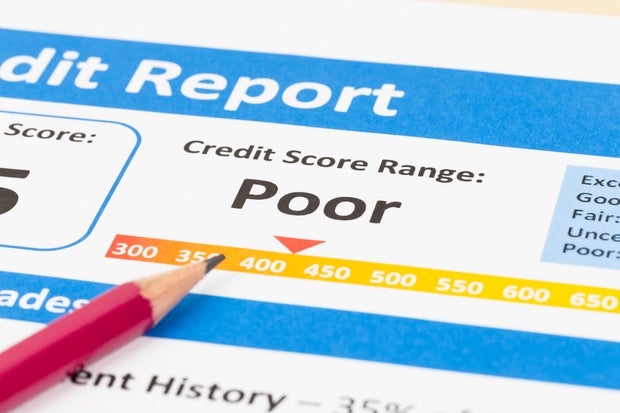
Borrowers are dealing with significant amounts of credit card debt today due to ongoing economic challenges. In the second quarter of 2026, credit card debt increased by $21 billion due to inflation. Although delinquency rates have slightly improved, many borrowers still face past-due accounts and credit consequences.
A recent study by the New York Fed indicates that creditors are maintaining charged-off accounts on credit reports longer than before. This can cause old debts to disappear and then reappear unexpectedly. However, an old debt on your credit report doesn’t always mean it’s correct. Before paying or disputing the debt, understand if creditors can legally add it back to your report.
Can Old Debt Reappear on Your Credit Report?
Old debt can sometimes be re-added to your credit report. There are limits on how long negative information can be reported. Under the Fair Credit Reporting Act (FCRA), most negative credit information stays on a report for about seven years. For collections or charge-offs, the reporting period ties to the initial delinquency date that led to the charge-off or collection.
This is important as collection accounts often change hands. The original creditor might sell an unpaid balance to a debt buyer, who can sell it again. If the debt is within the reporting window and reported correctly, a new debt collector can report it. However, they can’t restart the reporting clock by altering the delinquency date.
If a credit card account became delinquent years ago and aged off your reports, a debt buyer can’t change the delinquency date to make it reappear for another seven years. Buying an old debt doesn’t make it new.
Note that the credit-reporting time limit differs from the statute of limitations. The statute of limitations dictates how long a collector has to sue over a debt, which varies by state. A debt might be too old for your credit report but still raise collection issues.
Before making any payment on old debt, understand your state’s laws. In some states, making partial payments or acknowledging old debt can restart the statute of limitations for lawsuits. This doesn’t affect the credit-reporting period.
Steps to Take if Old Debt Reappears
If old debt reappears, verify the details. Check the date of first delinquency, balance, creditor or collector name, and account status. Compare reports from the three major bureaus since creditors aren’t required to report to all.
If the debt is too old or incorrect, you have the right to dispute. Dispute inaccurate info with both the bureau and the creditor, who must investigate and correct errors.
If the debt is valid and collectible, consider managing the balance. For a single account, negotiate directly with the collector. If old accounts are part of a broader problem, explore debt relief options like management plans or consolidation.
Never pay an unknown old account just because it shows on your report. Verify the debt’s legitimacy, balance accuracy, and understand how paying may affect your rights.
Conclusion
An old debt on your report doesn’t always indicate an error. If within the legal window, it may be correct even if previously unseen. However, collectors can’t extend this window without cause. If a debt reappears, check the dates and dispute inaccurately reported information. Assess your options if the debt is valid and you’re managing multiple accounts.
Leave a Reply