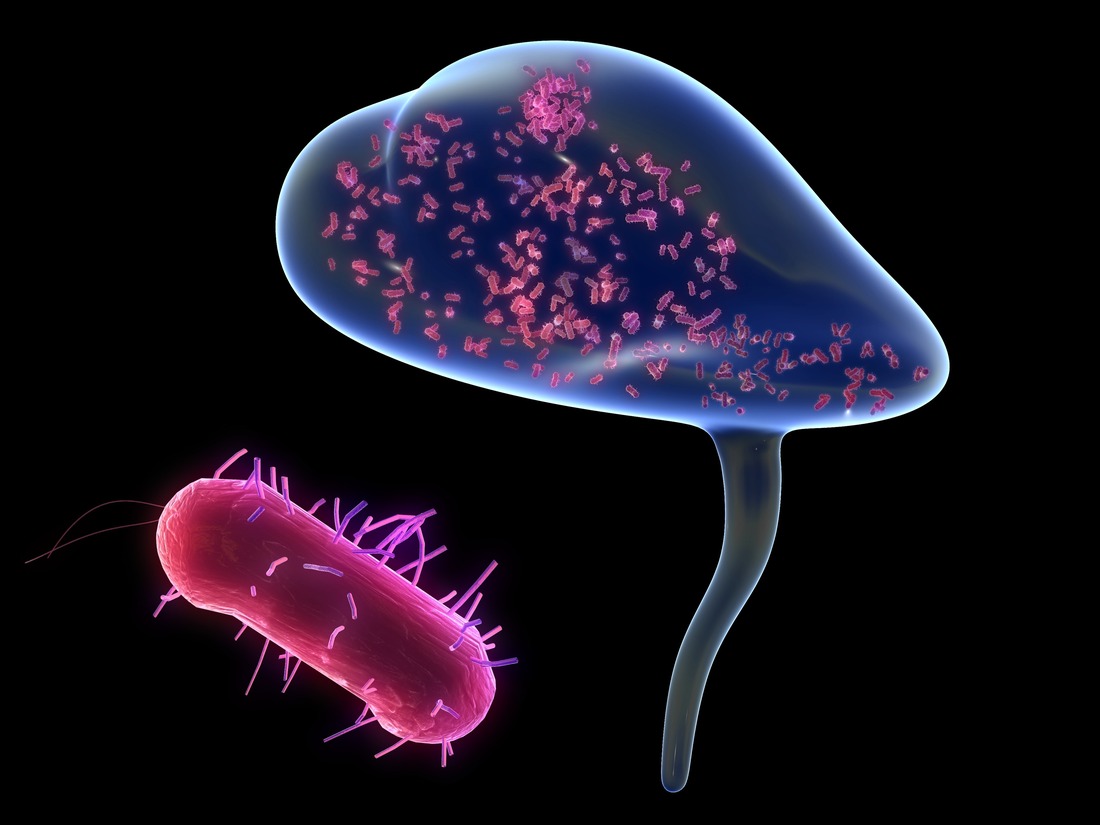
Each year, more than 400 million urinary tract infections (UTIs) occur worldwide. The most typical form involves bladder inflammation, often caused by Escherichia coli (E. coli). People frequently experience urges to urinate or receive advice to drink cranberry juice for relief. If these signs sound familiar, a UTI might be the underlying issue.
UTIs arise when bacteria infiltrate the urinary system, commonly affecting the bladder. Studies indicate that 60% of women and 10% of men face a UTI during their lifetime. The advice to lower the risk often includes maintaining good hygiene practices, such as urinating before and after sex, wiping properly, avoiding douching, and staying hydrated. These infections can be a source of embarrassment, linked to perceived personal negligence.
About 25% of women encounter recurring UTIs, defined as two or more infections within six months or three within a year. These recurrent cases persist even with preventive measures in place. Recent research published in Nature Microbiology by a Washington University team in St. Louis points to epigenetic changes in bladder cells as a factor, possibly increasing susceptibility to repeat infections.
Understanding the Urinary Tract
The urinary tract functions as the body’s drainage system, spanning a significant portion of the torso. It eliminates urine, a blend of toxins, excess water, and salts. The system includes:
- Two kidneys beneath the rib cage, each about the size of a fist
- Two ureters, muscular tubes connecting the kidneys to the bladder
- A bladder, a muscular organ located between the hip bones
- The urethra, the tube at the base of the bladder where urine exits
Infections occur when bacteria infiltrate any part of this tract, commonly the bladder, with uropathogenic E. coli being a frequent cause. According to Indira Mysorekar, a microbiologist who has extensively studied UTIs, infections become severe when bacteria enter cells, evading immune defenses outside the cells. This leads to rapid bacterial multiplication and, eventually, a full infection.
The body has mechanisms to deal with infected cells. The bladder lining sloughs off the infected cells, expelling them through urine.
Investigating Recurring Infections
The reasons why UTIs recur remain under investigation. Some researchers suggest bacteria may linger in the bladder post-infection, potentially residing in pockets within the bladder wall. These pockets might contribute to recurrent infections.
Another factor involves the immune response. In a study using mice models, researchers observed that severe initial infections led to recurring problems despite antibiotic treatment. Mice with only mild infections recovered effectively. The severe cases displayed epigenetic changes in bladder cells, possibly altering the immune system’s response to subsequent infections.
These changes, marked on DNA within urinary tract cells, guide the immune system to react strongly to future UTI episodes, worsening them.
Hope and Challenges
The findings offer hope by explaining that hygiene practices may not be the sole factor in recurring UTIs, reducing feelings of shame. Megan Pratz, who has faced repeated UTIs, felt validated by this new understanding. Still, knowing prevention may be beyond control presents a challenge.
Tom Hannan, a study co-author and immunologist, expresses optimism, suggesting that some epigenetic changes might not be permanent. Avoiding infections for a time might restore a natural defense against bacteria.
Ongoing studies are necessary to learn more about these epigenetic effects and potentially find solutions for those affected by recurrent UTIs.
Leave a Reply