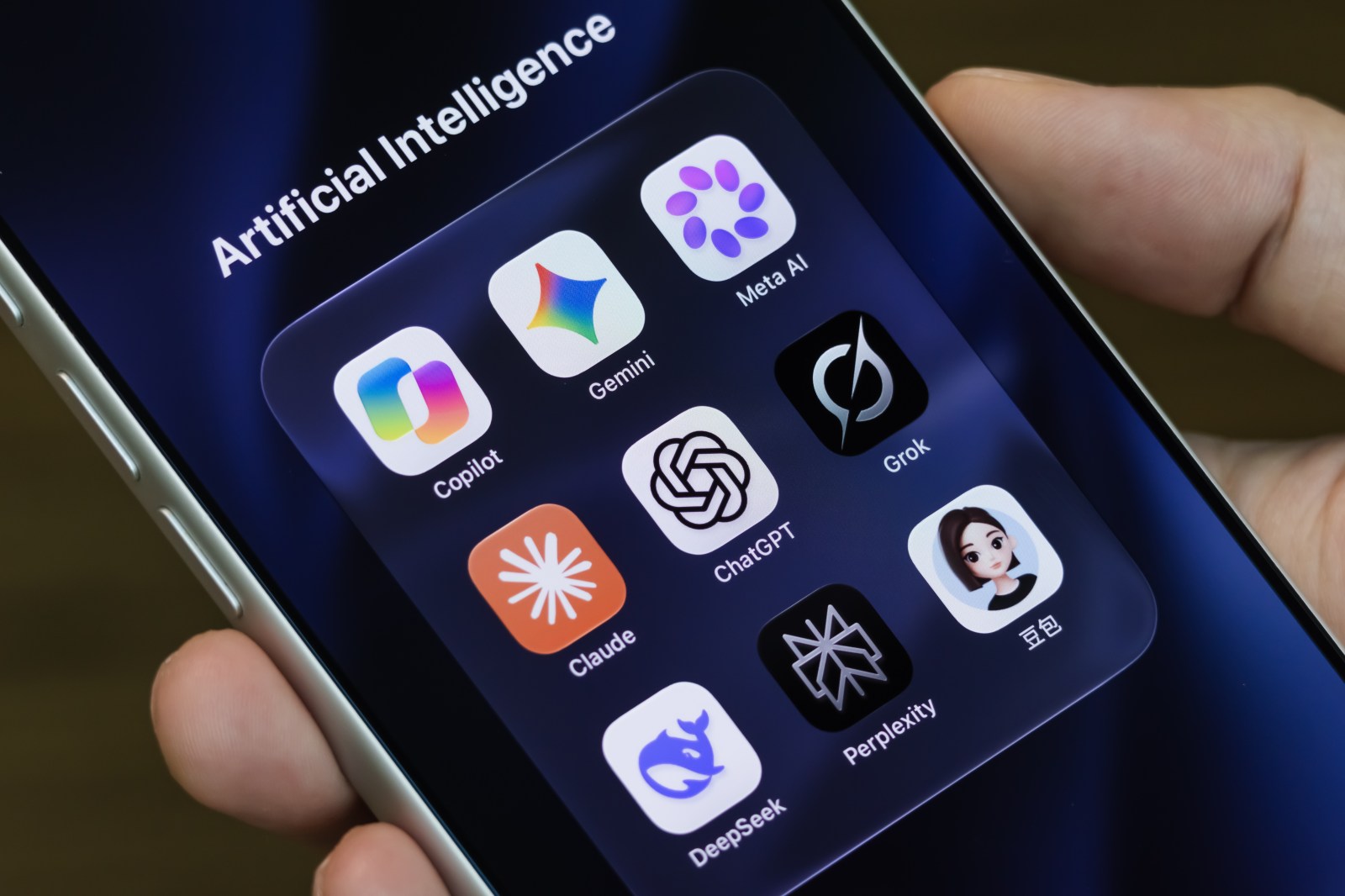
President Donald Trump has prioritized keeping China’s influence at bay in America’s advanced technology sector as crucial to winning the AI race. However, as he prepares to host Chinese President Xi Jinping in Washington, the U.S. contends with a self-inflicted challenge. Many researchers enhancing America’s AI capabilities originally hail from China.
Xi’s arrival at the White House on September 24 for a state visit will focus heavily on artificial intelligence. Ahead of this, Washington and Beijing have negotiated the integration of a delayed intergovernmental AI dialogue, agreed upon in May, into a broader economic session.
Trump has framed the competition in stark terms. He declared on Truth Social, “WHOEVER WINS AI, WINS!” emphasizing that imposing regulations might benefit Beijing.
The Talent Behind the AI Lead
America’s AI edge relies significantly on foreign-born talent, with China actively reclaiming some of these experts. Yao Shunyu, a researcher educated at Tsinghua and Princeton, left OpenAI in 2025 to join Tencent as chief AI scientist. He is now focused on fostering long-term AI research in China, aiming to establish a persistent AGI organization there.
Another notable example is Yang Zhilin. After completing his undergraduate studies at Tsinghua University and earning a doctorate from Carnegie Mellon University, he returned to China in 2023 to establish Moonshot AI. The company has secured over a billion dollars, launching the Kimi model series, widely used by U.S. startups due to its cost-effectiveness and performance.
Years of tension preceded such moves. A study by the Carnegie Endowment for International Peace, conducted by Matt Sheehan and Sophie Zhuang, highlighted visa uncertainties and indictments as factors creating an unwelcoming environment for Chinese researchers since 2018.
Tracking 100 prominent Chinese-origin AI researchers in the U.S. in 2019, Carnegie found that by 2025, 10 had transitioned to Chinese institutions or companies. Despite this, retention rates remained high, with 87 continuing in America and three moving abroad. Among those in the private sector, many worked for tech giants like Google, Apple, and Microsoft, with some establishing their own startups.
The Effects of Restrictive Policies
According to the Paulson Institute, Chinese researchers now have a greater presence in China, as their representation in top-tier AI authors rose from 11% in 2019 to 28% in 2022. Conversely, the U.S. saw a decline from 59% to 42% over the same period.
Sheehan and Zhuang noted signs of waning U.S. appeal for Chinese talent, driven by proposed visa restrictions and racial profiling concerns. This environment led many scholars to return to China, including significant figures at Princeton and other institutions.
The trend is not limited to Chinese researchers. Non-Chinese elite researchers, like Nobel laureate Omar Yaghi, have also opted for positions in China, demonstrating broader shifts in academic affiliations.
Carnegie’s findings indicate a critical need for the U.S. to reassess its policies to maintain its AI competitiveness, focusing on education, research grants, and immigration policies to attract top talent globally.
Defining Success in the AI Race
No consensus exists on how to measure success in the AI rivalry. China’s minister of state security, Chen Yixin, criticized American AI models as tools of propaganda. Meanwhile, U.S. officials assert the high stakes of the competition, with Treasury Secretary Scott Bessent claiming that China’s success could have severe consequences.
Experts like Chris Miller and David Lin emphasize that achieving AI dominance requires leveraging technology for economic and societal benefits, rather than pursuing supremacy at any cost.
Ultimately, Carnegie’s recommendation advocates for investment in U.S. education and research infrastructure to retain and cultivate top AI researchers, a strategy not yet slated for the upcoming September 24 meeting.
Leave a Reply