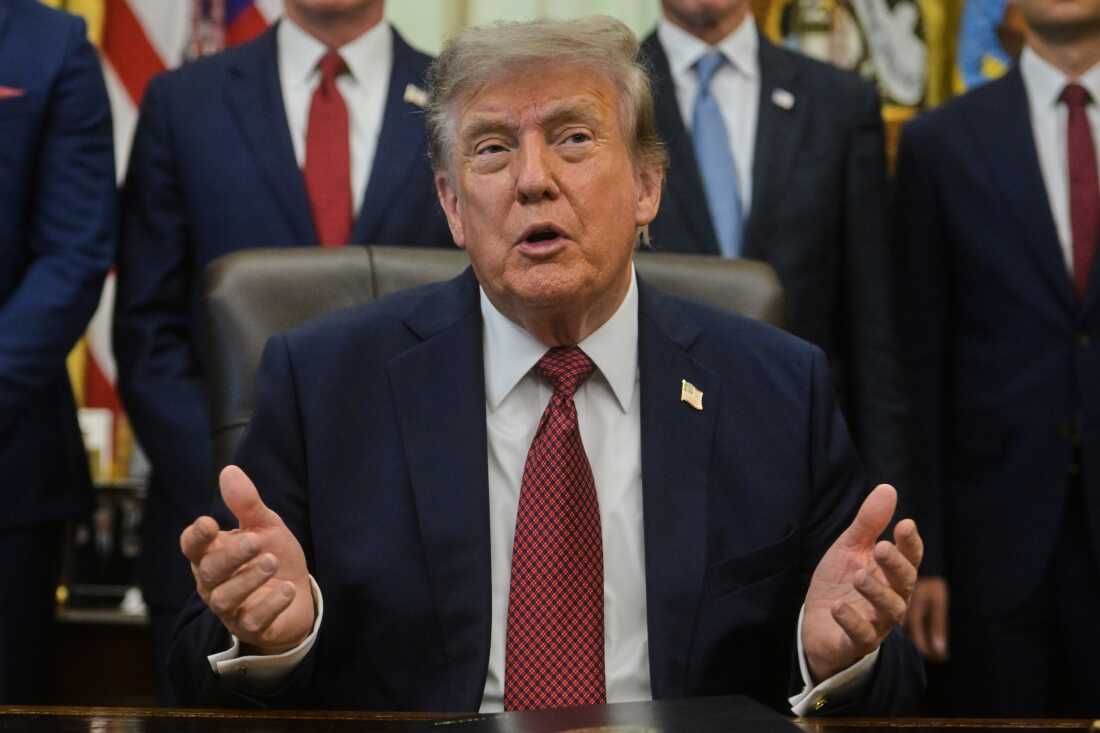
The U.S. military has temporarily stopped its airstrikes on Iran following nearly two weeks of intensified bombing. Diplomatic efforts are advancing to prevent a return to full-scale war. President Donald Trump has both threatened further strikes and emphasized ongoing negotiations. Rising gas prices linked to the conflict are causing concerns for Republicans ahead of November elections.
Israel’s Role
The planned visit of Israeli Prime Minister Benjamin Netanyahu next week adds uncertainty to the situation. Israel, alongside the U.S., initiated the conflict on February 28 but has been absent from recent U.S. attacks. Michael Singh from the Washington Institute for Near East Policy noted Israel’s non-involvement may indicate an effort to contain the conflict. Singh, who previously served on the National Security Council, cautioned against interpreting the pause in fighting prematurely.
Diplomatic Developments
A regional official involved in mediation stated diplomacy is active, with U.S. and Iranian strikes paused on neighboring states hosting American troops. Both countries aim to revisit an interim ceasefire deal. The compromise under negotiation includes reducing restrictions on ships transiting the Strait of Hormuz. The official, speaking anonymously, described these as positive signals. Esmail Baghaei, Iran’s Foreign Ministry spokesperson, confirmed ongoing technical talks with Oman regarding the strait.
“The Iranians understand that perhaps it could get worse because Israel could come into the conflict.” – Michael Singh
The Economic Impact
Iran’s initial blockade of the Persian Gulf has propelled oil prices and stirred dissatisfaction among Americans, potentially endangering Republican lawmakers. The interim ceasefire in June triggered a contest for control over the strait. Iran insists ships follow its coastal routes and suggested fees.
U.S. Military Action
The U.S. resumed strikes targeting Iran’s coastal defenses and expanded operations, affecting Iranian infrastructure. Singh suggests these actions pressure Iran towards negotiations, posing questions about Iran’s diplomatic communications and intentions.
Challenges and Opportunities
Iran faces internal leadership struggles, complicating negotiations as factions contest power. Singh underscores the necessity of reopening the strait for economic reasons, amidst differing perspectives on control. The pursuit of equilibrium remains ongoing.
Tensions Beyond Iran
In the region, Yemen’s Houthi rebels claimed to have targeted Saudi Arabia with missiles and drones. Saudi airstrikes on Hodeida prompted their actions, and the Bab el-Mandeb Strait has been closed, impacting Saudi oil exports. The U.S. military enforced naval blockades, disabling a Mozambique-flagged ship.
Trump’s Dual Approach
President Trump continued to threaten Iran while advocating diplomacy. Addressing an exit strategy, he outlined military options and negotiation pathways. Maintaining that Iran will become more serious over time, Trump met national security aides to evaluate the U.S. approach. Despite election implications, Trump expressed patience over wrapping up the situation.
Leave a Reply