The discovery of a British naval drone inadvertently transmitting data to China highlights pressing concerns for US policymakers. A cybersecurity review by the UK Ministry of Defence found that part of its naval drones was covertly sending information to China. The drone’s British origin contrasted starkly with this hidden vulnerability.
Beijing’s Strategy
China employs intellectual property theft, cyberespionage, and industrial policy to embed itself within Western supply chains. This integration allows for intelligence gathering and potential exploitation of these networks against adversaries.
A typical reaction has been restricting Chinese tech only when risks become immediate, often necessitating expensive replacements of embedded systems in US infrastructure.
Automotive Industry Risks
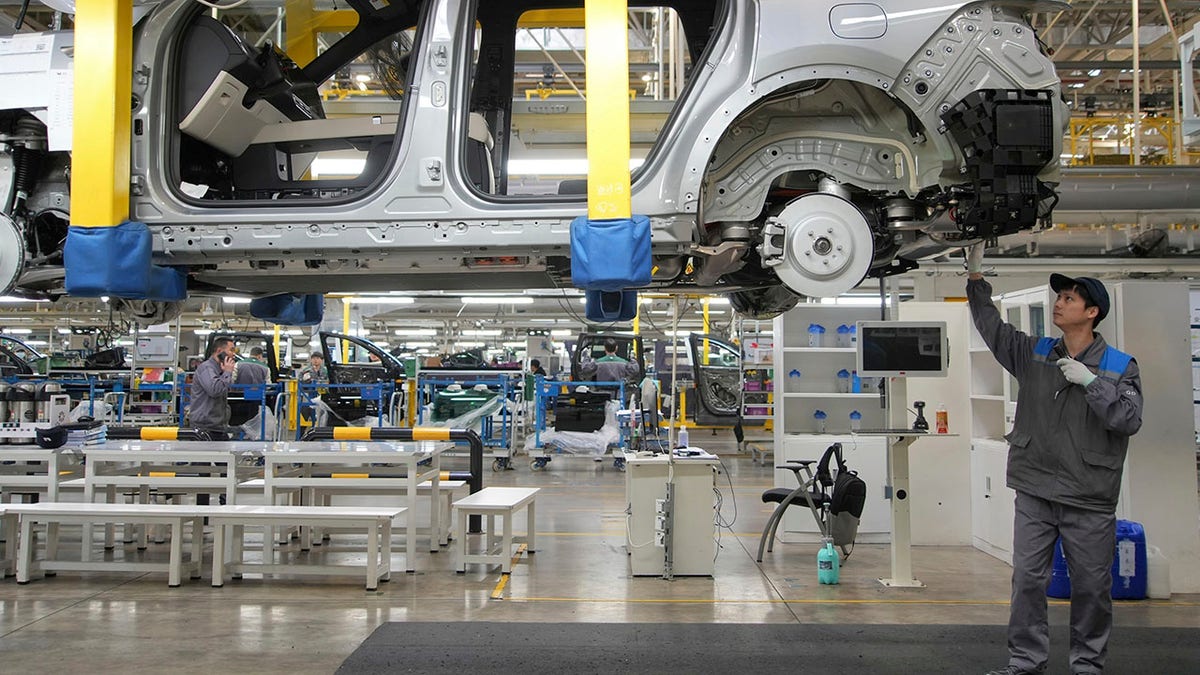
The focus is now on the automotive sector. As the world’s largest vehicle exporter, China plays a significant role in electric vehicles, batteries, software, sensors, and connected technologies crucial to modern cars. With their growing presence, potential national security threats loom.
Modern vehicles, outfitted with cameras, microphones, sensors, GPS systems, and internet connectivity, gather vast data on drivers and environments. This software increasingly governs critical functions such as steering and braking. In malicious hands, this access poses significant risks for surveillance, espionage, and possible remote vehicle control.
Embedded Risks
Chinese vehicles on US roads, though a direct threat, aren’t the sole concern. Integrated technologies from Chinese suppliers could pose risks within American, European, Japanese, or South Korean cars. These systems provide China with comprehensive intelligence capabilities, including tracking locations like military bases and power facilities.
In times of crisis or conflict, vulnerabilities could lead to substantial societal disruptions. Chinese automakers’ entry into US markets highlights this security challenge. Congress has an opportunity to counteract these threats via the bipartisan Connected Vehicle Security Act. This legislation, spearheaded by Ohio Republican Sen. Bernie Moreno and Michigan Democrat Sen. Elissa Slotkin, draws from a Commerce Department rule limiting adversary-linked technologies.
Permanency Through Legislation
The Commerce Department concluded that foreign technology access could enable sensitive data collection and remote vehicle manipulation. While this was a vital initial action, legislative measures can cement these protections permanently.
The Connected Vehicle Security Act aims to extend these security measures throughout the supply chain, encompassing software, communication gear, and integrated electronics in vehicles beyond Chinese-made ones.
The Senate Commerce Committee unanimously advanced this legislation. Congress is urged to pass it promptly, allowing the president to enact it into law.
The US must learn from past dependencies on Chinese technology, which have proven difficult and costly to dismantle. Addressing connected vehicle dependencies gives a chance for proactive measures.
Leave a Reply