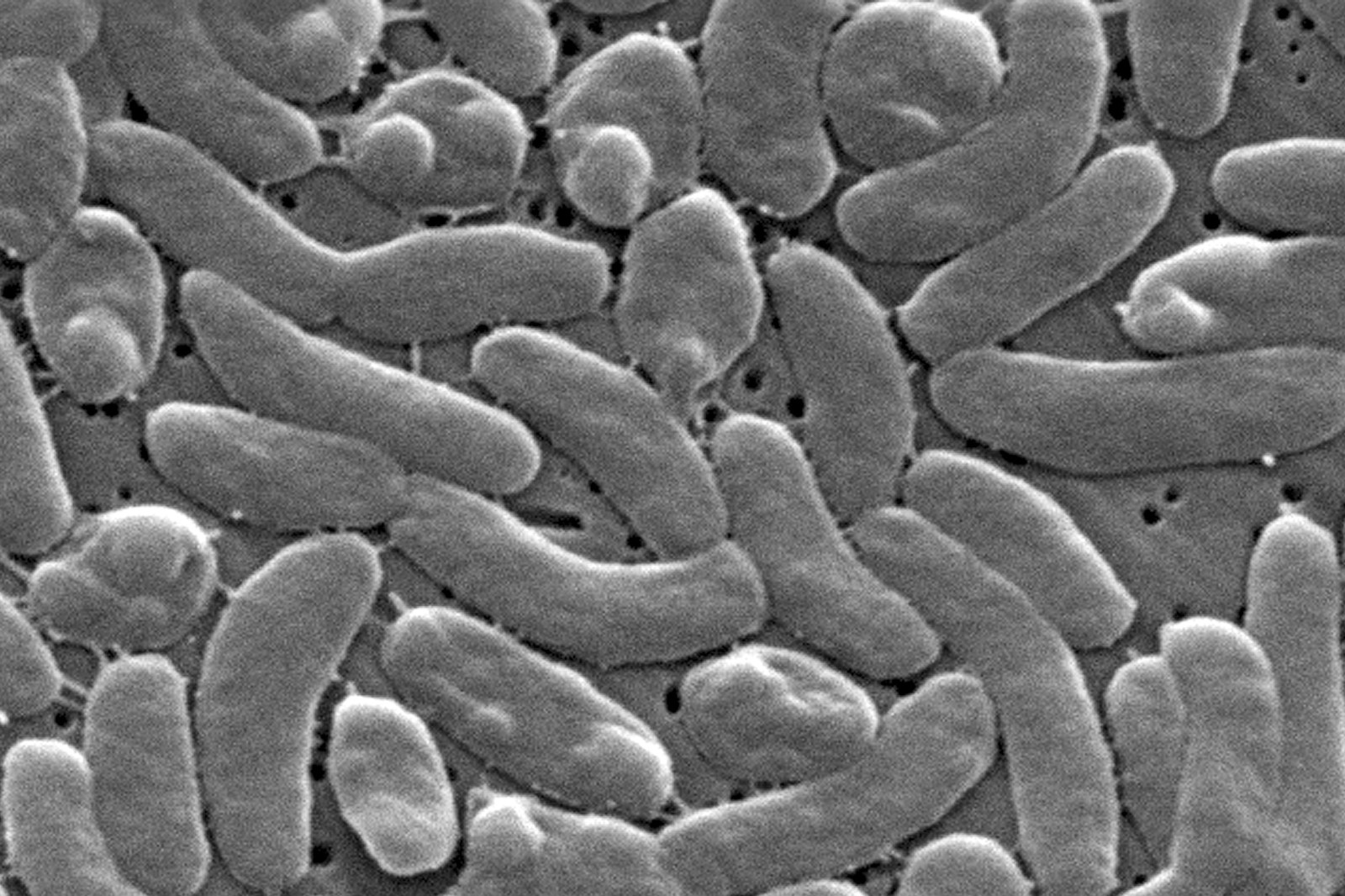
In recent months, six individuals have succumbed to the ‘flesh-eating’ bacterium Vibrio vulnificus in Louisiana and Florida. Many states have issued warnings and reported cases. Louisiana has documented nine cases among residents in 2026, with all nine being hospitalized. Five deaths have occurred, as per the Louisiana Department of Health. Historically, the state has averaged seven cases and one death by this point each year.
Officials stated all nine infections in Louisiana resulted from wounds exposed to seawater, with underlying health conditions in each patient. Residents were advised to avoid exposing open wounds to saltwater or brackish water, especially during warmer months when bacteria levels rise.
Florida has reported 12 cases and one death this year, according to Fox 13 Tampa Bay. The deceased was a resident of Palm Beach County, marking Florida’s first bacterium-related death of 2026. The combined death toll in these two states has reached six.
Vibrio vulnificus naturally thrives in coastal waters, with concentrations increasing between May and October due to rising water temperatures. Infection can occur through contact with contaminated water via an open wound or by consuming raw or undercooked seafood, including oysters. The bacterium is called ‘flesh-eating’ because it can lead to necrotizing fasciitis, a condition that causes the tissue around an open wound to die.
According to the Centers for Disease Control and Prevention (CDC), approximately one in five individuals infected with Vibrio vulnificus succumbs to the illness, sometimes within one or two days.
Infection Reports Beyond Louisiana and Florida
In addition to Louisiana and Florida, infections have been reported in Alabama and Connecticut, although specifics about patients remain scarce. The Mobile County Health Department confirmed Alabama’s first vibriosis case of 2026 in April without disclosing the species involved or details of the patient and illness severity. Before this announcement, Mobile County officials issued a precautionary warning in March. The county noted 16 vibriosis cases in 2025, mostly attributed to undercooked food contaminated with Vibrio, with some linked to water-related injuries.
Connecticut recorded a Vibrio vulnificus infection in February linked to a person who consumed oysters harvested outside the state, based on a national case tracker referencing Connecticut’s public health commissioner. No connection is suggested among infections reported across these four states.
Understanding Vibrio Vulnificus and Risk Factors
Vibrio vulnificus is one of the Vibrio species causing vibriosis. It differs from Vibrio cholerae strains responsible for cholera and doesn’t spread between people, according to the CDC. Despite being relatively rare, with 150 to 200 cases annually in the U.S., the infection can quickly become life-threatening.
Anyone can contract Vibrio vulnificus, but severe complications are more common in individuals with liver disease, cancer, diabetes, HIV, or thalassemia, and those on immune-suppressing treatments. Medications reducing stomach acid or recent stomach surgery may increase risk as well.
Symptoms vary based on the infection type. Intestinal infections can present watery diarrhea, stomach cramps, nausea, vomiting, fever, and chills. Wound infections might display redness, pain, swelling, warmth, discoloration, and fluid discharge.
If the bloodstream is affected, symptoms may include fever, chills, dangerously low blood pressure, and blistering skin lesions. The CDC recommends quick medical attention for anyone with Vibrio wound or bloodstream infection signs, along with informing healthcare providers of any coastal water contact or raw seafood consumption.
Mild intestinal infections could resolve without antibiotics, but patients should replenish fluids lost through diarrhea or vomiting. Severe or prolonged infections might need antibiotics, while serious wound infections could necessitate surgery to remove infected tissue. Early treatment is crucial for survival.
Leave a Reply