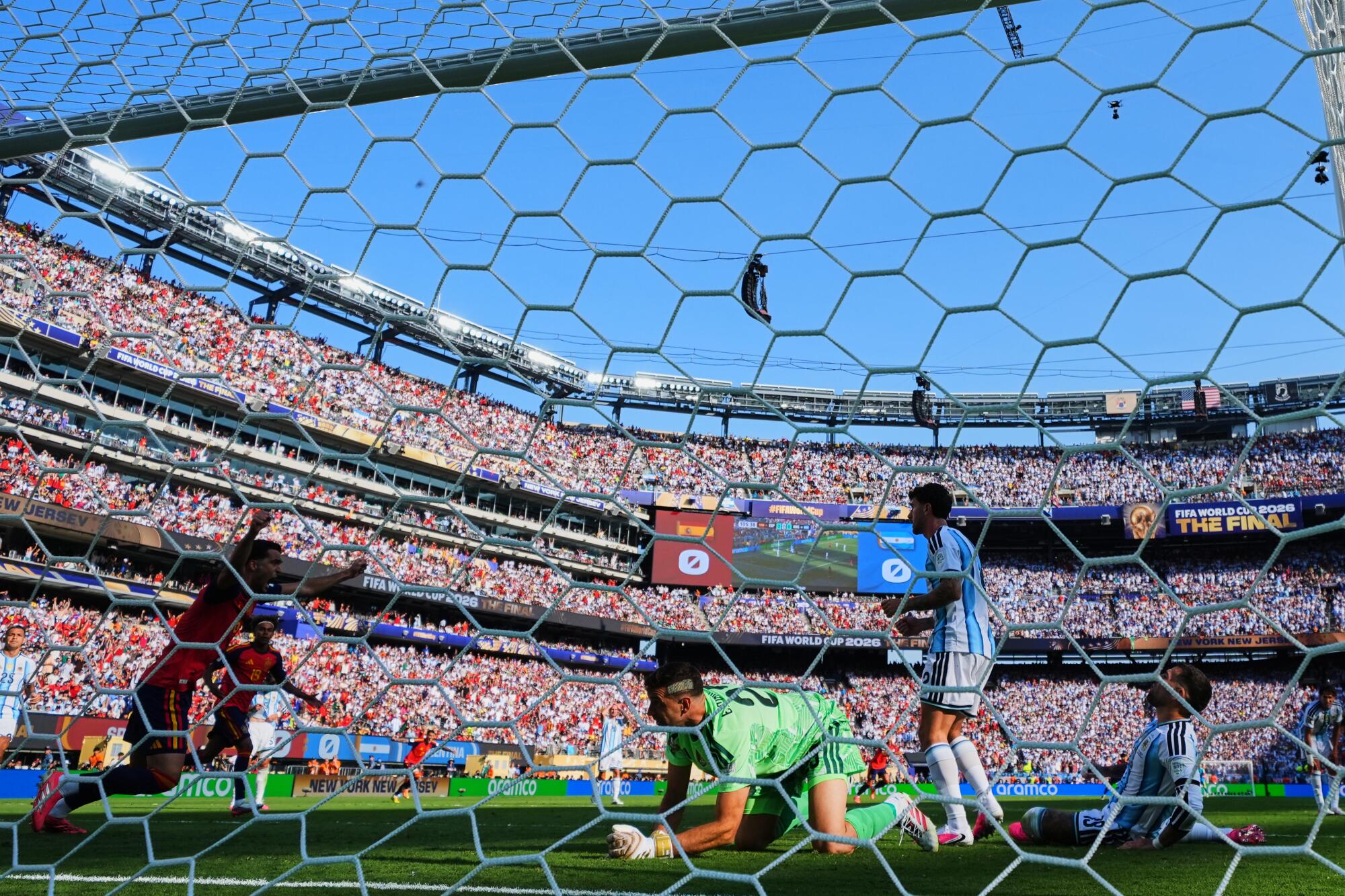
The final match of the extensive and intricate World Cup concluded with Spain defeating Argentina 1-0 in extra time in East Rutherford, N.J. FIFA president Gianni Infantino had already praised the tournament prior to the final, claiming it exceeded all expectations. During a reception at Trump Tower, he declared this World Cup to be an unparalleled global event.
Attendance records were broken with over 6.8 million spectators, averaging more than 65,000 fans per game. The global TV audience is estimated to have reached around 5 billion, and 1.8 billion people were projected to watch the final. This made the event the most-watched sporting event in history. Substantial revenue of $13 billion is anticipated for FIFA from this cycle, supporting Infantino’s case for reelection.
The ticket prices for the final soared, with some seats selling for as much as $32,502. The event was one of the costliest sporting events in U.S. history. SoFi Stadium in Inglewood hosted eight matches, drawing a significant crowd similar to the attendance of the first three entire World Cups.
Despite challenges, such as weather disruptions and logistical issues due to being hosted across three countries — the U.S., Mexico, and Canada — the tournament ran successfully. The expansion to 48 teams and 104 games introduced surprises that enhanced the event’s excitement.
Cape Verde, one of the smallest nations to qualify, made a memorable World Cup debut. Norway returned to the tournament for the first time this century, advancing to the quarterfinals with Erling Haaland as a standout player. Canada and Egypt made history by moving to the knockout rounds for the first time, and Africa had a notably strong representation.
The tournament wasn’t void of political complications. The U.S., as a host country, was in conflict with participating Iran, leading to visa denials and logistical hurdles for the Iranian team. The State Department also refused entry to a Somali referee over security concerns.
Technology played a controversial role as the video assistant referee (VAR) system influenced key decisions. This sparked criticism that it detracted from the traditional drama of the sport.
Political influence extended to the rescindment of a red card issued to U.S. player Folarin Balogun after high-level intervention. This unprecedented decision, influenced by Trump, sparked international discourse and affected the U.S. team’s performance against Belgium.
The World Cup’s political and logistical complexities brought about discussions on future implications. Infantino’s role and decisions have raised concerns about setting new precedents for future tournaments. Despite controversies, his support remains strong ahead of his reelection bid.
Leave a Reply