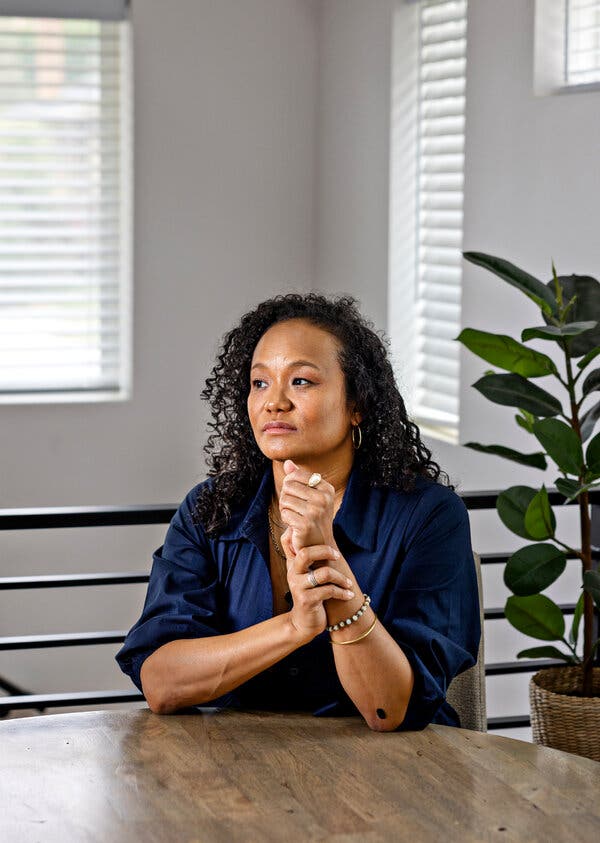
Erin Millender, at 47 years old, faces her last opportunity to become a mother. Her husband no longer wishes to have a child with her. This personal struggle unfolds amid broader questions about the custody of embryos created through in vitro fertilization (I.V.F.).
Millender had a strong desire to be a mother. She had plans for a day care and had prepared for her future baby with items like a Pack ‘n Play. She tried various methods to aid fertility, including traditional Chinese teas and ceremonies at night under the Caribbean sky. Yet, time was slipping away. Despite her efforts with I.V.F., success eluded her.
In July 2023, Millender contacted her clinic, eager for another attempt at embryo implantation. The response she received was life-altering: her husband rescinded his consent for using his DNA. “We cannot proceed,” the doctor informed her.
This situation places Millender in the midst of a crucial debate affecting couples and courts nationwide. As I.V.F. becomes increasingly common, questions arise about rights and responsibilities regarding embryos. At times, these embryos are caught in contentious legal battles before they even exist.
After receiving the news, Millender found herself pacing the streets of Manhattan, cigarette in hand. Not long before, her husband had hinted at divorce. She viewed it as a minor marital issue, hoping for resolution and stronger bonds. Instead, it threatened to unravel her meticulously constructed family plans.
The rise of I.V.F. has granted many women the chance to have children later in life. However, it also presents moral and legal dilemmas that society has yet to completely address. As Millender’s story shows, these dilemmas can be deeply personal and impact future family dynamics.
Leave a Reply