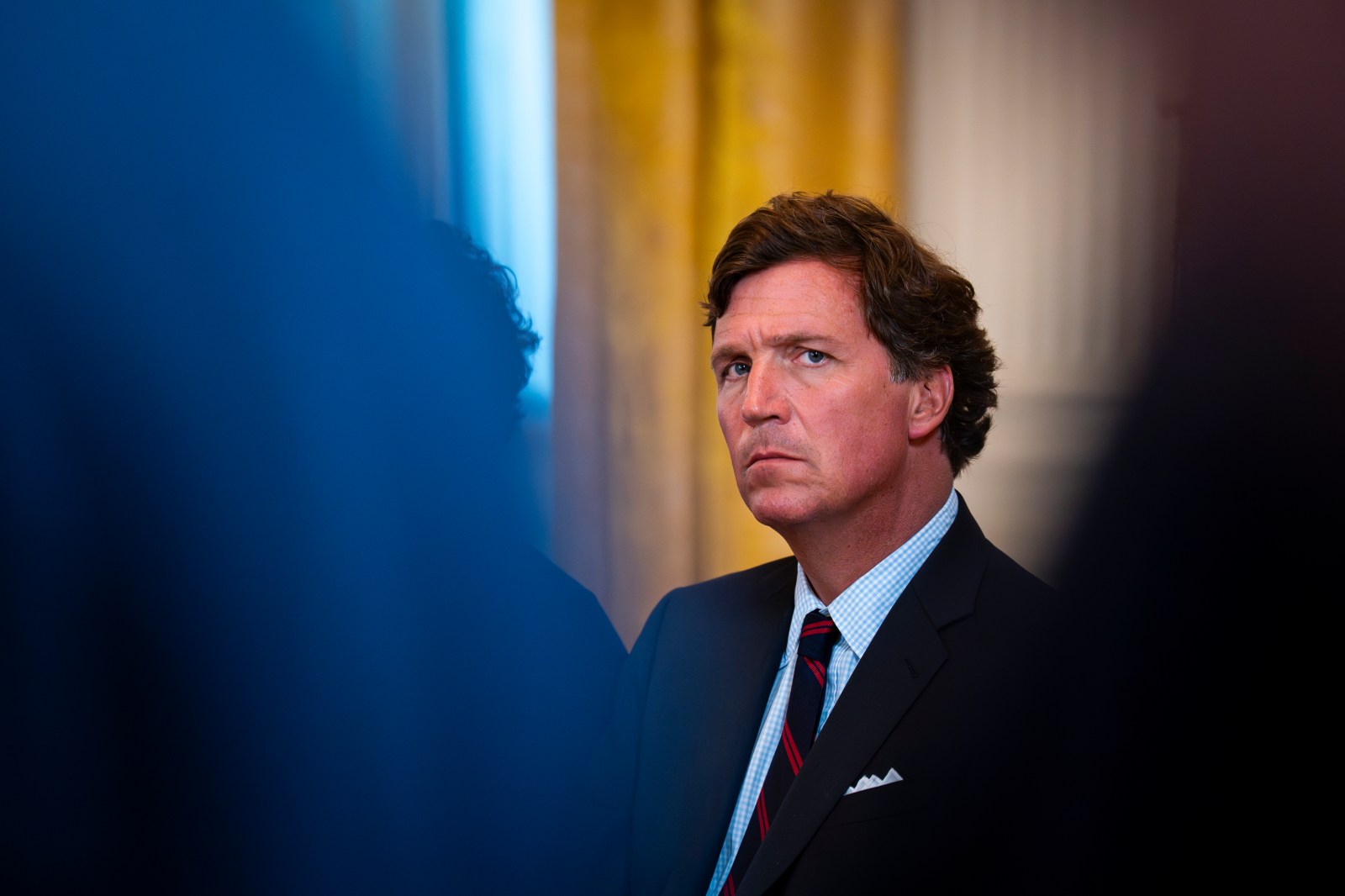
Tucker Carlson has stirred controversy by suggesting Americans should reconsider paying their credit card bills. This comes as household debt reaches unprecedented levels. Carlson’s remarks have triggered discussions across political lines.
In a video on X, Carlson said, “I think people should stop paying their credit cards. I know no one else agrees with me, and oh, ‘you have a moral obligation.’ Really, well, you have a moral obligation to not send credit card applications to kids in college.”
Why Carlson’s Comments Matter
Carlson’s statements are significant, not only for their content but also because they come from a right-leaning media personality. Calls to stop debt payments are often linked with left-wing viewpoints. Carlson’s comments raise questions about whether rising debt is becoming a concern beyond political sides.
Kevin Thompson, CEO of 9i Capital Group, observed that Carlson might be challenging traditional financial norms. “But if Americans broadly stopped paying their credit card bills, the entire system would seize up almost immediately,” he warned.
Understanding the System’s Fairness
In the interview, Carlson questioned the fairness of the debt system and said Americans are burdened by it. “That’s like just blaming the drug addict and never mentioning the dealer,” he remarked. Carlson likened the situation to ripping off a drug dealer, suggesting it’s not something he’d judge negatively.
Carlson proposed opting out of the system, a surprising stance for a conservative commentator.
Backlash and Expert Opinions
Carlson’s comments drew swift online criticism. “Outflanking the so-called ‘Democratic socialist’ in Congress,” wrote user Benin Bryant on X. He pointed out Tucker’s unexpected stance compared to progressive lawmakers.
Finance experts described Carlson’s advice as reckless. Michael Ryan, of MichaelRyanMoney.com, cautioned that such actions could lead to ruined credit scores and legal repercussions. “Banks have legal departments. You don’t,” he noted.
Ignoring credit card payments could collapse credit scores rapidly. Lenders might demand immediate payment, leading to wage garnishment and exclusion from credit.
Credit Card Debt Data
U.S. consumer debt remains high, with many households carrying credit card balances. Interest rates are steep, and minimum payments prolong debt significantly. Forbes and WalletHub data reveal high credit card interest.
Student debt is also climbing: undergraduate loan rates increased from 6.39% to 6.52%. Graduate loans rose from 7.94% to 8.07%, and PLUS loans went from 8.94% to 9.07%.
Debt Experts Weigh In
Dave Ramsey, known for advocating debt-free living, has a different perspective. He advocates aggressive debt repayment and questions the necessity of credit cards. “I don’t have credit cards, I haven’t in thirty something years,” he stated on The Ramsey Show.
Carlson questioned, “What’s wrong with having a credit card if you pay the balance every month?” Ramsey countered, “Most people don’t,” highlighting that 78% of users carry balances monthly.
Risks of Not Paying Credit Cards
Failure to pay credit cards has serious consequences:
- Severe credit score damage
- Collection actions
- Potential lawsuits
- Difficulty obtaining loans, housing, and jobs
Alex Beene, a financial literacy instructor, stated that skipping payments leads to accumulating interest, late fees, and credit damage, making future loans harder to secure.
The Path Forward
While Carlson’s remarks might not lead to policy changes, they highlight increased attention on debt and interest rates. Despite frustrations, most Americans will likely continue paying their debts to avoid harsh financial consequences.
“The frustration is legitimate, but the math is disastrous,” Ryan explained. He emphasized that ignoring debt could affect future financial opportunities.
Leave a Reply