Amidst escalating tensions with Iran, the United States is depleting its reserves of advanced weapons, including Tomahawk and Patriot missiles. The replacement of these munitions demands tungsten, a critical metal heavily controlled by China. This dependency is pushing the U.S. to explore alternative sources.
Tungsten finds extensive use in military applications such as fighter jets, bunker buster bombs, and missile systems. However, the U.S. has not had active commercial tungsten mines since 2015. Efforts are underway to reduce reliance on China’s supply chain.
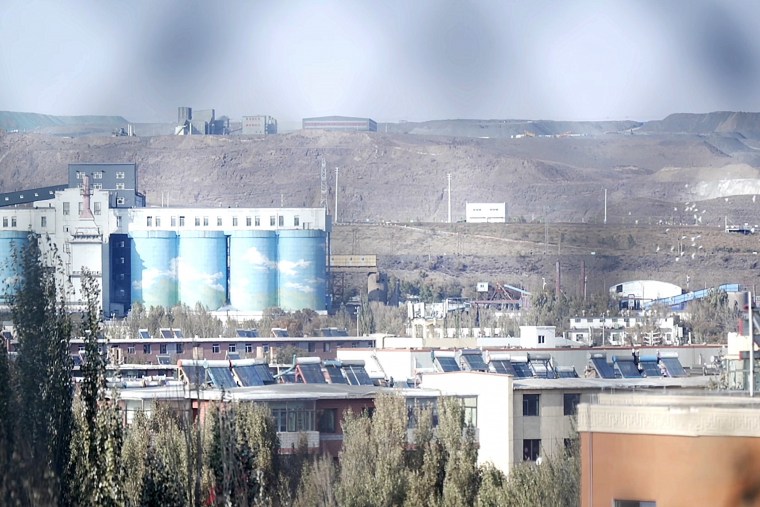
One potential source is a tungsten mine in the mountains of eastern South Korea, operated by a U.S. company. This site holds millions of tons of tungsten ore.
“There are very few large-scale tungsten mines on the planet,” noted Lewis Black, CEO of Almonty Industries. His company restarted operations at the Sangdong mine, which had closed over 30 years ago due to competition from China.
Tungsten’s role extends beyond defense. It serves as a cornerstone metal in technology, crucial for semiconductors, batteries, and smartphones, as noted by Steve Allen, Almonty’s chief operating officer. Ensuring a stable tungsten supply chain will be vital in the coming decades.
The U.S.-Israeli conflict with Iran has heightened pressure on global tungsten supplies. Restocking munitions might take up to four years, a crucial factor concerning U.S. allies and regions like Taiwan, which anticipates a delayed arms package due to the ongoing conflict.
China has dominated the tungsten industry, producing over 80% of the world’s supply, supported by low labor costs and fewer regulations. The U.S. relies on imports and recycling, but import hurdles remain due to trade tensions with China.
The extraction of tungsten is challenging, involving the production of hazardous waste and environmental disruption, which discourages U.S.-based mining. Chinese operations continue despite these challenges.
Historical expertise in U.S. tungsten mining has diminished, with industry reactivation facing hurdles, as pointed out by Black. China’s control extends to human capital and knowledge.
In South Korea, Almonty’s engineers continue to uncover new tungsten deposits at the Sangdong mine, which incorporates high-tech safety features, reflecting its historical economic importance to the region.
Operating at full capacity, the mine anticipates processing around 1.2 million tons of tungsten ore annually. Almonty plans to reopen a Montana mine, aiming to establish a domestic U.S. supply, deemed crucial by Allen for defense interests.
Leave a Reply