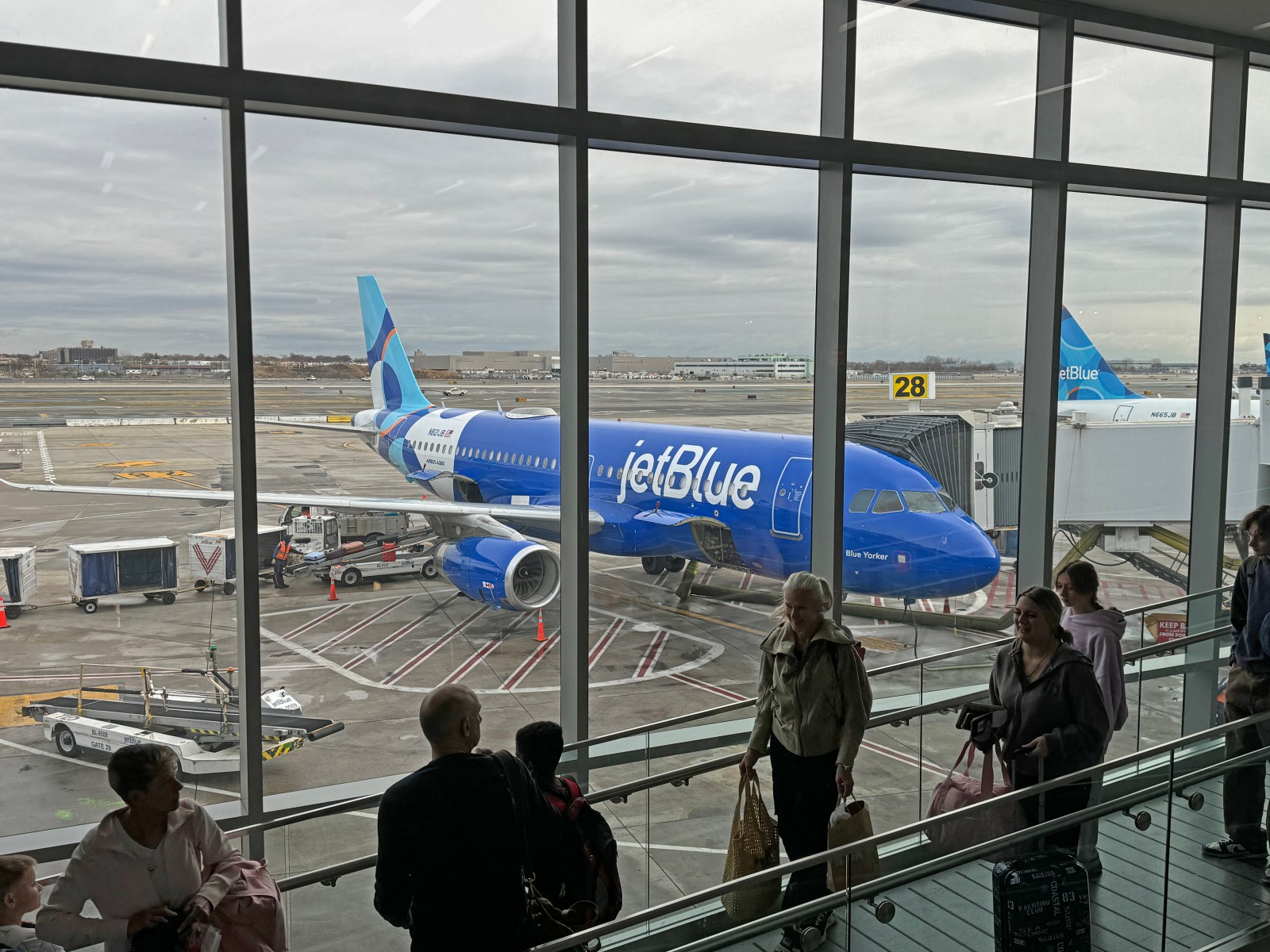
The U.S. government has increased the number of airports for travelers arriving from Ebola-affected countries due to concerns from global health officials about a potentially deadly outbreak. The Department of Homeland Security (DHS) announced that New York’s John F. Kennedy International Airport (JFK) is now one of the entry points, along with three other key airports.
New Airport Entry Points
A DHS spokesperson stated that for passengers allowed to enter, the DHS will redirect U.S.-bound travelers to these airports: Washington-Dulles International Airport, Atlanta, Houston George Bush Intercontinental Airport, and John F. Kennedy International Airport. Starting May 29th, the CDC will enhance public health entry screening for these travelers and verify their contact details for necessary public health follow-up.
Importance of Limited Entry Points
This strategy aims to protect public health while maintaining international travel. Limiting entry to four airports allows officials to concentrate resources and ensure that trained personnel are available to detect symptoms quickly. This is crucial as Ebola is a severe and highly fatal disease, requiring early detection to prevent major outbreaks.
Designated Airports for Entry
The approved entry airports are:
- John F. Kennedy International Airport (New York)
- Washington Dulles International Airport (Virginia)
- Hartsfield-Jackson Atlanta International Airport (Georgia)
- George Bush Intercontinental Airport (Houston, Texas)
These airports act as centralized screening points for travelers from affected regions, primarily in Africa. According to Thomas A Russo, a SUNY professor of infectious disease, outbreaks often start in Africa due to interactions with fruit bats or bushmeat consumption.
Reason for Airport Selection
Historically, the U.S. limits airport systems during disease outbreaks to optimize health screening resources. This improves coordination among the DHS, CDC, and local health authorities.
Safety Measures Implemented
Several health and safety measures are in place at these airports:
- Health screenings for travelers from affected regions
- Collection of contact and travel information
- Symptom monitoring post-arrival
- Coordination with health authorities, including possible rapid isolation
- Follow-up health monitoring and guidance for potential symptoms
The protocols aim to detect possible cases early and minimize spread within airports and communities. Infection can occur through contact with infected bedding, clothing, or medical equipment, and healthcare workers must adhere to strict infection control procedures.
Possible Expansion of Airports
The inclusion of JFK expands capacity, but there is no confirmation of adding more airports. However, this list might expand if case numbers increase or if screening capacity needs to be more widely distributed. According to Thoai D Ngo, a professor at Columbia University, additional airports may be added if the outbreak evolves or travel patterns shift, particularly during international events like the World Cup.
Current Ebola Situation
Health officials continue to closely monitor the outbreak, with aid organizations warning it could become one of the deadliest on record. The CDC temporarily halted the entry of non-U.S. citizen travelers who had recently been in the Democratic Republic of Congo, Uganda, or South Sudan. The International Rescue Committee reported over 900 suspected cases and 223 deaths in these countries.
Advice for Travelers
Americans traveling from affected regions should prepare for additional screening and provide travel details upon arrival. Measures depend on travel history and exposure risk, not automatically restricting all travelers. Sharon Nachman from Stony Brook Children’s Hospital emphasizes the need for careful, evidence-based screening.
Future Developments
The situation is dynamic, and U.S. officials may adjust travel protocols as necessary. DHS has already added JFK, suggesting potential further expansion if travel volume rises or the outbreak grows in scale.
Updated 05/28/26, 9:25 a.m. ET: Article includes a statement from the DHS.
Leave a Reply