Rollbacks Impact on Methane Emissions
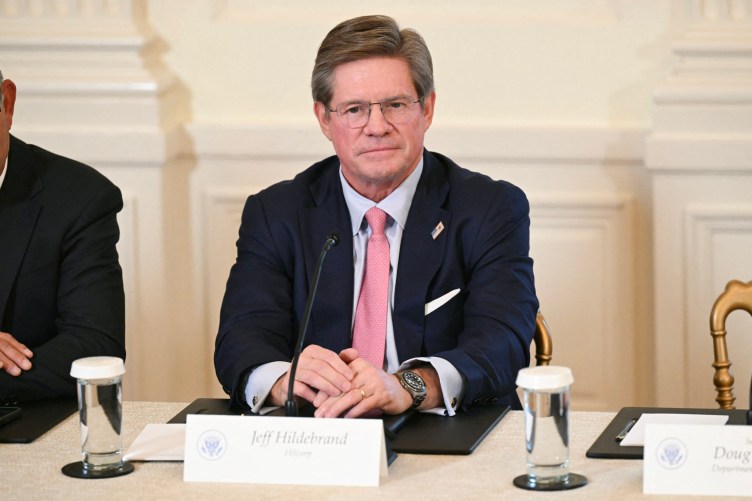
The Trump administration’s Environmental Protection Agency (EPA) plans to ease restrictions on oil and gas wells that produce minimal energy but release significant methane amounts. These rollbacks could benefit oil billionaire Jeffery Hildebrand, a major Trump donor.
The Political Influence
A former lobbyist for Hildebrand is now involved in rewriting the EPA’s methane rules, inviting input from industry groups supported by Hildebrand. A ProPublica investigation reveals that these changes will provide relief for the nation’s stripper wells, enhancing Hildebrand’s profits while imposing environmental costs on society.
The Environmental Consequences
Despite contributing only 6% of the nation’s oil and gas output, stripper wells are responsible for about half of the sector’s methane emissions. This is partly due to their run-down state, making them more prone to leaks. Addressing these emissions could offer a substantial climate change solution.
Field Observations
A field visit to a Hilcorp well in New Mexico by investigators from Earthworks found leaks using infrared cameras. Despite state reports suggesting no venting, physical evidence showed otherwise. One well, drilled in 1969, was releasing considerably more methane than it produced.
Methane and Climate Change
Methane’s impact on global warming is significant; it traps 80 times more heat than carbon dioxide. When released directly to the atmosphere, it becomes a potent climate pollutant. Yet, many existing regulations allowed older wells to vent with fewer restrictions.
Hildebrand’s Business Model
Hildebrand’s success hinges on buying and operating stripper wells. These wells, often ignored by larger companies due to low output, present an opportunity for profit by reducing costs. However, this often results in environmental regulation leniency.
Addressing the Methane Problem
Methane becomes less potent over time, breaking down in about a decade. This represents a significant opportunity to mitigate climate change quickly. Improving the oil and gas sector’s practices would yield swift results.
Regulatory Challenges
President Biden’s administration aimed to reduce methane emissions by 80%, targeting stripper wells with stringent regulations. However, political and industry pushback has hindered progress, benefiting well owners like Hildebrand.
Political Contributions and Influence
Hildebrand increased his political donations significantly, supporting figures who pushed back against stringent methane regulations. Trump’s administration, supportive of deregulation, sees valuable political capital in maintaining the status quo.
Future of Methane Regulation
Trump’s approach includes nominating industry insiders to key EPA positions, and these individuals work to relax rules. This fosters a regulatory environment supportive of Hildebrand’s business model, with potential long-term climate implications.
Leave a Reply