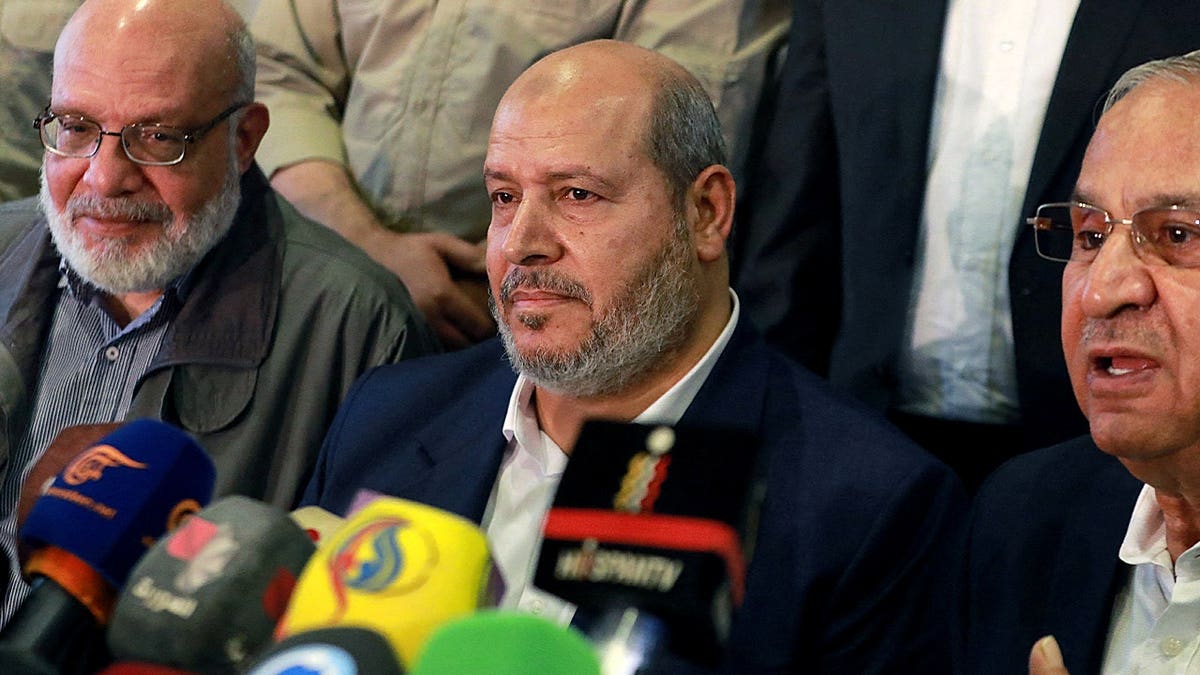
In Gaza, feelings of frustration are surfacing regarding the leadership of Hamas after Israel’s lethal targeting of key commanders. Many residents express that civilians, rather than leaders, bear the brunt of the ongoing conflict. Khalil al-Hayya has emerged as the new political leader of Hamas following a prolonged internal election. Born from experience and survivor status, al-Hayya’s promotion indicates no significant change in Hamas’s direction.
Leadership Transition Without Change
Khalil al-Hayya, noted as a principal negotiator for Hamas and a survivor of multiple assassination attempts, now heads the group’s political bureau. According to Jaser AbuMousa, a Middle East Institute Senior Fellow, his election won’t alter Hamas’s established strategies. Al-Hayya’s history as a chief negotiator ensures continued engagement in discussions regarding ceasefires and prisoner exchanges, yet it signifies no move towards moderation.
As Hamas declares intentions to dissolve the Gaza government, warnings arise from Israel about the group seeking control akin to Hezbollah. Al-Hayya has been engaged in indirect negotiations with Israel over ceasefires and hostages. His election marks an organizational choice for familiar leadership rather than new tactics.
Significance of Al-Hayya’s Leadership
AbuMousa sees Al-Hayya’s rise as a strategic move to maintain cohesion, emphasizing the continuation of armed presence and ties with Iran over reassessing political directions. Reports note that multiple members of Al-Hayya’s family, including his sons, were killed in Israeli strikes, which reflects the dangerous reality of Hamas leadership roles.
In September 2025, Israel aimed to target Al-Hayya in Doha, Qatar, but he reportedly survived the strike, a testament to his survival in leadership discourses within Hamas. AbuMousa describes the leadership role as perilous, often equating to a potential death sentence, a factor contributing to prolonged leadership vacancies following past deaths, such as that of Sinwar.
The Path Ahead
Al-Hayya’s elevation comes after destructive losses in Gaza since October 2023. His leadership signals a desire for continuity over reformation, as Hamas opts for resilience in its current path. Observers advise caution against interpreting the leadership selection as reflective of Gazan public will, notably since the last public elections occurred in 2006.
AbuMousa stresses that the selection occurred internally within Hamas’s leadership council, not by the general populace. Gazans, many of whom blame Hamas for recent catastrophes, may not see this as representative of their wants or needs.
Speculation about Hamas’s potential governance style suggests a possible Hezbollah-like model, maintaining influence over military and political decisions while avoiding overt governmental roles. This arrangement seemingly distances Hamas from direct administrative responsibility while retaining authority over Gaza’s security and political environment.
Emma Bussey reports as a breaking news writer for Fox News Digital, having previously worked at The Telegraph with a focus ranging across foreign, political, and cultural desks.
Leave a Reply