Broadcast networks often show a bias toward the Democratic Party, particularly in how they report on congressional committee investigations. When committees aim to harm Republican reputations, the networks tend to treat all activities as significant news. The January 6 Committee, headed by former House Speaker Nancy Pelosi, exemplified this as Republicans were not present to provide a counterbalance.
Conversely, when committees attempt to scrutinize Democrats for potential government overreach, these networks frequently ignore such developments. On July 25, Sen. Rand Paul from Kentucky disclosed over 1,100 pages of diary entries from Dr. Anthony Fauci. These entries, originating from Fauci’s government computer, covered the period from 2019 to 2022.
Two days later, “CBS Evening News” featured a brief 24-second report breaking the network silence. Yet, coverage remained minimal until the day Fauci was set to appear before Paul’s committee.
The diaries contained notable entries, such as Fauci’s early acknowledgment that COVID-19 did not originate from Wuhan wet markets. Despite this, in 2020, he strongly dismissed the lab-leak theory as a conspiracy, aided by widespread media support.
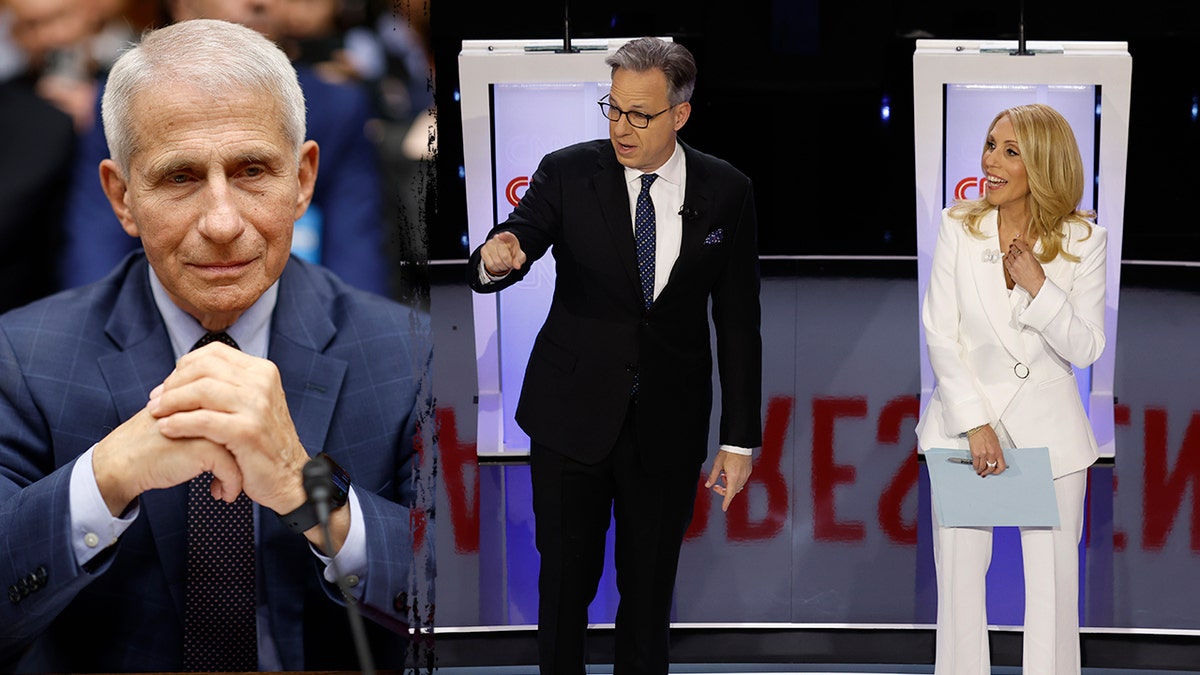
Fauci’s diary also disclosed his close relationships with several media figures, including CNN anchors Jake Tapper and Dana Bash. For instance, ABC’s George Stephanopoulos praised Fauci profusely after an interview, and NBC’s Chuck Todd discussed dealing with conservative media.
Fauci noted developing a friendship with CNN’s Jake Tapper in July 2020. He mentioned socializing at the Tappers’ home, despite guidance discouraging such gatherings. Fauci also recorded giving Tapper questions to challenge Trump adviser Brett Giroir during a contentious CNN interview.
Once the networks started covering Fauci’s hearing, it became apparent that they acted as his supporters. ABC’s Jay O’Brien expressed concern on “Good Morning America” over the “fiery hearing” that awaited the 85-year-old Fauci, branding Sen. Paul’s efforts as more of a crusade against Fauci than a genuine quest for information.
CBS portrayed the hearing as contentious, highlighting incidents like Paul ousting one of Fauci’s lawyers for trying to speak on Fauci’s behalf. Democrats were described as accusing Republicans of conducting a biased investigation.
Dr. Fauci’s fame was another talking point, with networks quoting passages from his diaries where he embraced his public recognition. CBS noted this dynamic, pointing out how networks depicted Paul’s release of Fauci’s diaries as controversial, despite these documents being prepared on a government computer less for a potential book deal.
Statements from health officials like Dr. Celine Gounder on “CBS Mornings” misleadingly suggested Fauci never had the authority to close down the country, dismissing his influence.
Skepticism of Republican-led investigations contrasted vast praise for Democrat-led proceedings. ABC’s George Stephanopoulos described the Fauci hearing as “partisan,” unlike prior January 6th coverage, which he depicted as an admirable democratic exercise. Such clearly biased reporting contributes to declining public trust in mainstream media.
Leave a Reply