As August approaches and anticipations for the fall rise, two pivotal questions concerning the Dodgers take center stage. Will they secure a third World Series championship consecutively? And, will the $500-million proposal to transport fans via gondola from Union Station to Dodger Stadium succeed, or falter? Predictions about their championship aspirations remain uncertain, but skepticism surrounds the gondola project.
Opposition to Gondola Project
The gondola plan faces substantial opposition. Its proposed route through L.A. State Historic Park threatens to remove numerous trees and disrupt a space crafted with years of community engagement. Resistance includes seven former state park officials and four past members of the state Park and Recreation Commission.
“Gondola cars encased in digital ads, flying 26 feet overhead every 25-30 seconds would irreparably impair the vista, and the sense of calm and escape from urban life,”
These words from former state parks director Ruth Coleman encapsulate the concerns. Former commissioners fear the gondola would allow private development to diminish the park permanently.
Background and Implications
The state is contemplating amending the park’s general plan to allow for review of the Los Angeles Aerial Rapid Transit (LA ART) gondola project. Originating in 2018 as Frank McCourt’s idea, it aims to ease transportation to Dodger Stadium—where he holds financial interests. However, a looming hearing is expected to be contentious.
In a prior Metro board meeting, supporters and opponents clashed vocally. Despite backing by the Metro board, the L.A. City Council remains largely opposed. The fall showdown could rival the excitement of the World Series.
Financial and Community Concerns
Questions about the project’s nature persist. Proponents advocate for it as a public transit project, promising reduced congestion and free rides for ticket holders. Yet, uncertainties remain regarding the project’s financial viability during Dodger Stadium’s off-season, potentially impacting parking revenues.
Of particular concern is whether taxpayer money could eventually be leveraged for the project, despite claims of private funding.
Impact on L.A. State Historic Park
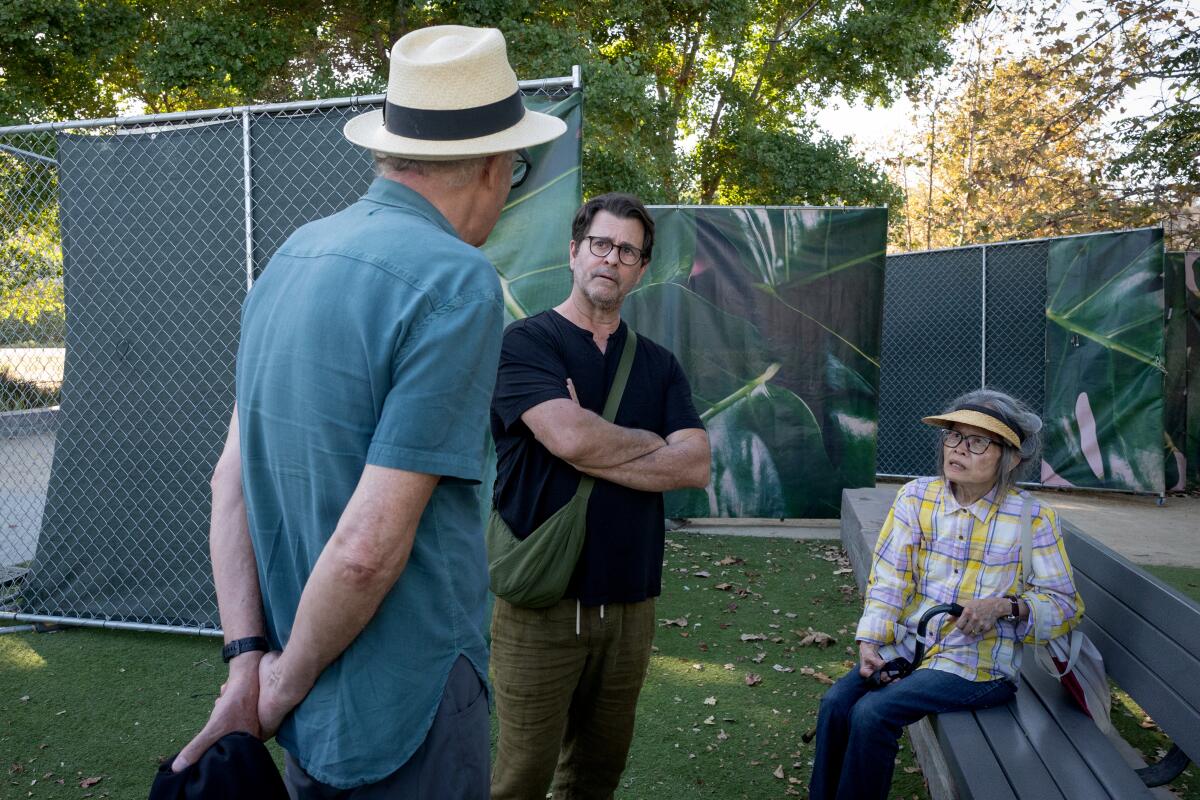
Initial opposition sprang from Chinatown residents, uneasy about living beneath a structure reminiscent of an amusement park ride. Former state parks employee Sean Woods highlights the threat to the park’s trees.
“All of these trees would be gone,”
Woods expressed that the gondola would not only occupy a small part of the park’s 32 acres but also detract from its purpose.
Joining Woods, Susan Lai represents Friends of Los Angeles State Historic Park. Her stance is firm:
“This is called a historic park for a reason,”
Lai argues that McCourt lacks historical, community, or cultural ties to the park.
Accompanied by Jon Christensen from the Los Angeles Parks Alliance, Lai and Woods highlight the crucial role of the park as a community space threatened by commercial interests.
The park, originally criticized for being flat and shapeless, has evolved into a cherished urban landscape. Activities like picnicking and Frisbee football thrive in this green refuge, with its skyline views under threat by gondola plans.
Leave a Reply