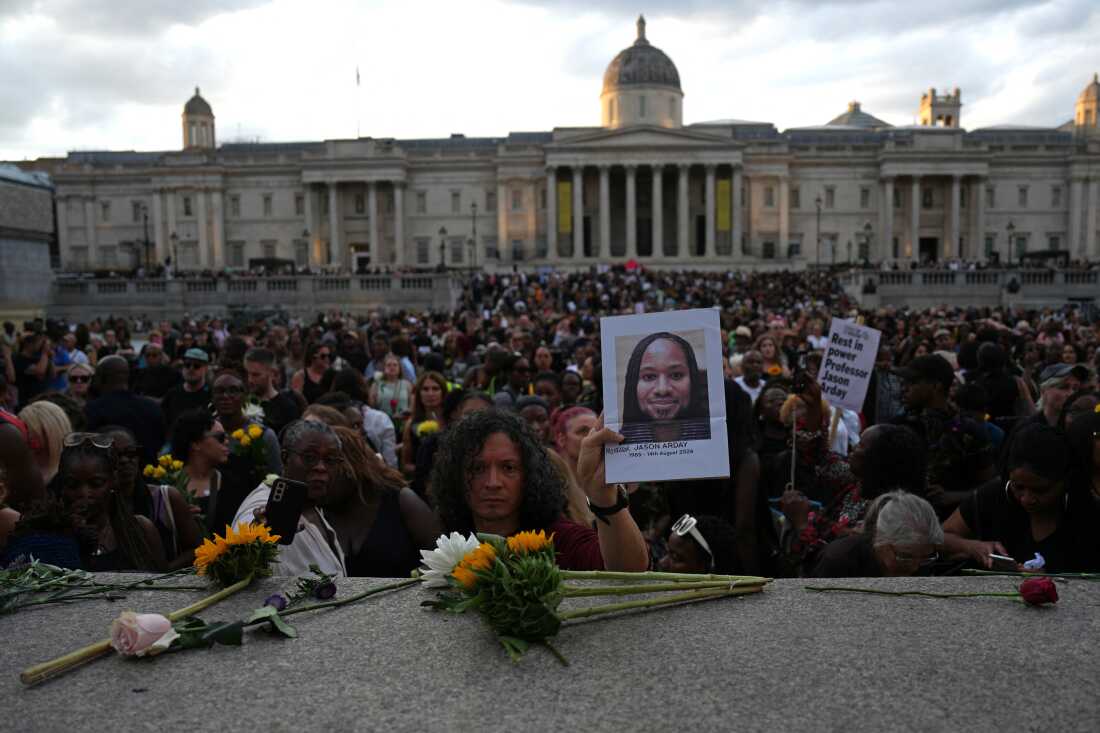
Jason Arday, a prominent sociologist, passed away at the age of 41 on August 14. His death followed allegations of dishonesty involving plagiarism and embellishing his biography. Arday’s career was built on studying race, inequality, and education, subjects deeply intertwined with his personal narrative.
In 2023, Arday achieved a significant milestone by becoming the youngest Black professor appointed at Cambridge University. However, allegations arose that he had fabricated parts of his life and work. Despite denying any intentional wrongdoing, Arday resigned from Cambridge as investigations into his biography intensified.
Racist attacks targeted Arday online, and these continued after his resignation. His case has sparked a broader discussion about the balance between diversity goals and academic standards in liberal institutions. Some view Arday’s story as highlighting the struggles Black academics face under intense and sometimes racist scrutiny.
Tyler Austin Harper, formerly a tenure-track professor in environmental studies at Bates College and now with The Atlantic, spoke about the wide-ranging questions regarding Arday’s academic and personal history. Arday claimed he was mute until age 11, illiterate until 18, and that he ran 600 miles in six days. Harper remarked that while any single claim might have been plausible, the combination painted him as a ‘serial fabulist.’
Harper also discussed the discomfort around these accusations. The person who first raised public claims against Arday had previously written about race and IQ and was described as racist by Harper. Supporters of diversity, equity, and inclusion programs feared that Arday’s case might be used to undermine those initiatives.
Harper pointed to Cambridge University, suggesting a culture where Black and Brown academics might be valued for their identity over their scholarly contributions. In Arday’s hiring, evidence that could have warranted further examination was reportedly ignored.
The incident raises questions about academia’s future. Harper, in a discussion with NPR’s Michel Martin, suggested that defensiveness in elite institutions only reinforces perceptions of their reluctance to admit failures.
For more insights, listen to the full interview by clicking the play button above.
Leave a Reply