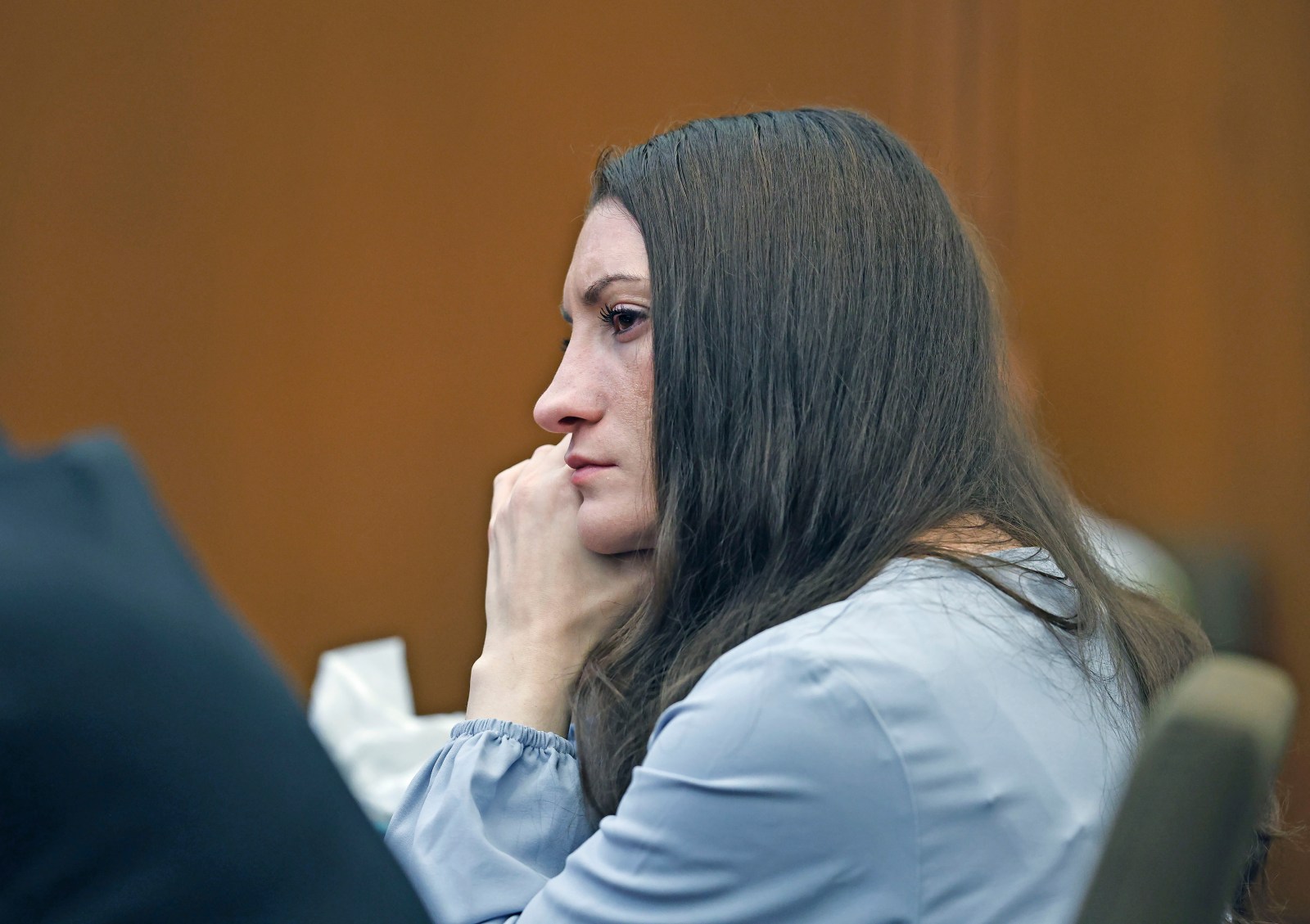
The Lindsay Clancy trial concluded with intense emotional closing arguments. The courtroom atmosphere was charged as the defense and prosecution presented starkly different views of Clancy’s mental state when she killed her three children.
Defense’s Argument: A Mother in Mental Crisis
Defense attorney Kevin Reddington portrayed Clancy as a mother desperately ill from postpartum psychosis and bipolar disorder. He criticized inadequate medical care, suggesting it failed her at a crucial time. Reddington urged jurors to understand Clancy’s actions as a result of her mental deterioration. His appeals drew visible emotional responses from the jury, with some jurors seen weeping.
Reddington emphasized Clancy’s search for psychiatric help, her struggle with a system that did not provide adequate support, and highlighted her identity as a “damn good mother.”
Prosecution’s Argument: Responsibility Amid Mental Illness
Assistant District Attorney Jennifer Sprague acknowledged Clancy’s mental illness, but argued it did not absolve her of knowledge or control over her actions. Sprague’s closing centered on the children’s experiences, painting Clancy as “indifferent” to their suffering. This depiction also stirred emotions in the courtroom.
Sprague detailed Clancy’s deliberate actions leading up to the incident, emphasizing her control over the situation and arguing that she was aware of the wrongfulness of her actions.
Key Moments from Closing Arguments
1. Defense Challenges Prosecution
Reddington criticized the prosecution’s portrayal of Clancy, arguing she sought help repeatedly but was failed by the system. This narrative resonated emotionally with jurors.
2. Symbolic Quarters Exchange
In a theatrical moment, Reddington used quarters to depict evidence he believed was misrepresented by the prosecution. This interaction added a visual element to the defense’s argument about Clancy’s intentions.
3. Prosecution’s Image of ‘Broken Toys’
Sprague delivered a powerful image by describing the children as “discarded on the basement floor like broken toys.” This directly challenged the defense’s narrative, focusing on the children rather than Clancy’s mental state.
4. Alleged Pre-Meditation
The prosecution highlighted a timeline suggesting Clancy deliberately planned the opportunity to be alone with her children, challenging the defense’s assertion of a psychotic episode.
5. Legal Interpretations of Mental Illness
The central legal question whether Clancy recognized right from wrong became the heart of the opposing arguments. Both sides presented conflicting interpretations based on mental illness and criminal responsibility.
Possible Verdicts
- First-degree murder: Life without parole if found guilty.
- Second-degree murder: Life with potential parole.
- Manslaughter: Maximum 20 years, sentence determined by a judge.
- Not guilty: Rejects prosecution’s case for criminal responsibility.
- Not guilty by reason of lack of criminal responsibility: Clancy could be committed to a psychiatric facility.
The jury must reach a unanimous verdict. A mistrial could occur if they remain deadlocked. Decision-making continues amid the complex narrative presented over the trial’s five weeks.
Leave a Reply