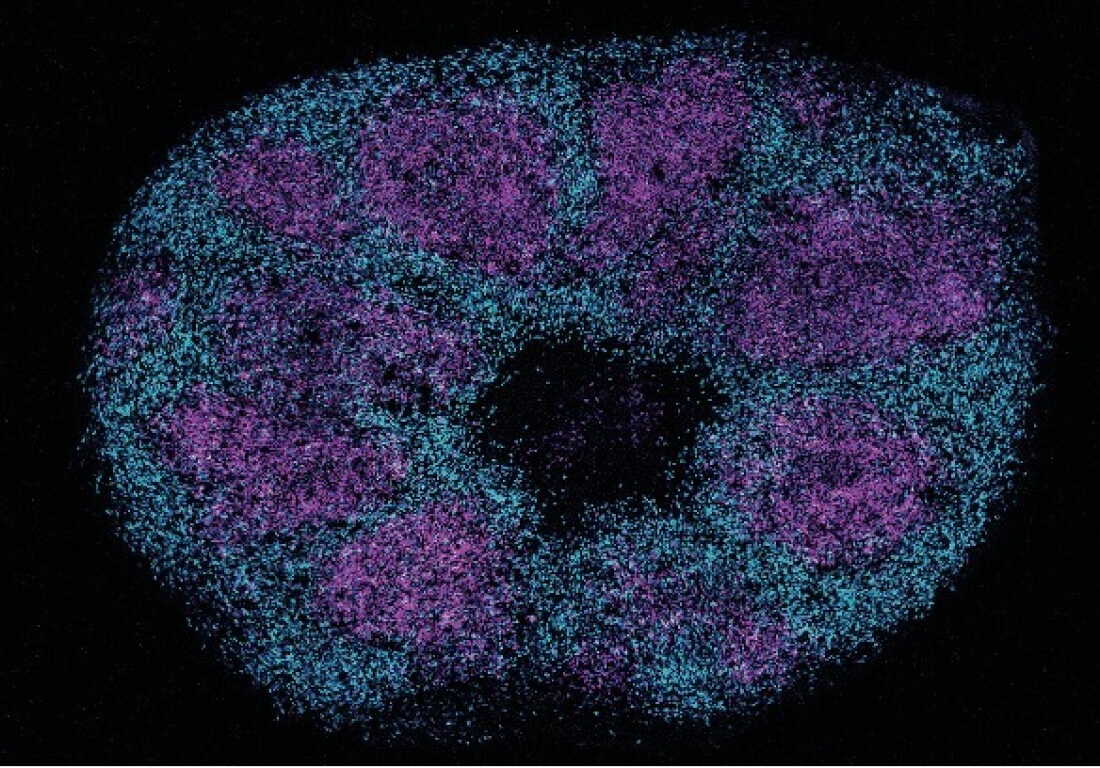
Researchers are advancing the understanding of how gene mutations can lead to profound autism. Using lab-grown brain organoids, scientists probe critical protein interactions that might be associated with autism. This research offers hope for developing new treatments.
A team at UC San Francisco mapped over a thousand protein interactions from autism risk genes. Their findings, published in Science, could guide future treatment developments. Dr. Daniel Geschwind from UCLA, although not involved in the study, described it as an unparalleled resource for autism research.
It’s an unprecedented resource for the field,says Dr. Daniel Geschwind, highlighting the study’s potential impact for researchers interested in autism and drug development.
For families experiencing profound autism, this study represents a step toward potential treatment. Alison Singer, president of the Autism Science Foundation, emphasizes the significance of this scientific progress.
Recent advances have identified specific genes with mutations in individuals with profound autism. However, transforming these genetic discoveries into treatments has remained challenging. Nevan Krogan from UC San Francisco notes that previously, researchers hit a wall due to a lack of understanding of protein interactions.
Understanding Profound Autism
Individuals with profound autism may have significant intellectual disabilities and require full-time care. They are often nonverbal and can suffer from medical conditions like epilepsy. Identifying the biological roots of profound autism has been complex due to the mix of genetic and environmental influences.
Geneticists have some success identifying high-impact differences in individuals with profound autism. Nevan Krogan and Dr. Matthew State, UCLA, collaborated to bridge the gap between known genes and their protein functions.
Proteins, made from genetic instructions, are the body’s building blocks. Researchers aimed to reveal how proteins from high-risk autism genes function, enhancing the understanding of underlying mechanisms.
Breakthroughs in Protein Interactions
Initially slow, recent technological advances, including artificial intelligence, have accelerated the research. The team utilized 100 proteins from autism-linked genes, examining their interactions within lab-grown cells using an AI system called AlphaFold.
This approach allowed quick insights into which proteins interact, saving significant time and resources. The researchers also tested protein changes due to autism-related gene mutations.
In their research on frogs and brain organoids, mutations were observed to weaken key protein connections, causing other genes to activate improperly, leading to developmental issues.
Molecular Convergence and Drug Development
Mapping over 1,800 protein interactions, the research indicates shared biological pathways related to early brain development. This convergence aligns with other studies, strengthening the focus on specific protein processes targeted for treatment.
Alison Singer from the Autism Science Foundation suggests that targeting shared protein pathways could simplify therapies for autism, potentially reducing the need for gene-specific treatments.
Future Directions in Drug Development
Despite advances, transitioning these biological discoveries into approved treatments will take years. The findings need transforming into drug candidates and rigorous safety testing. Dr. Matthew State emphasizes the need for persistence and focus for these discoveries to reach fruition.
The mapping of protein interactions provides an accessible starting point for drug development. Researchers are eager to employ innovations to accelerate the progress further. Last week, Krogan’s institute received a $46 million grant from Sergey Brin’s initiative to advance their research.
Leave a Reply