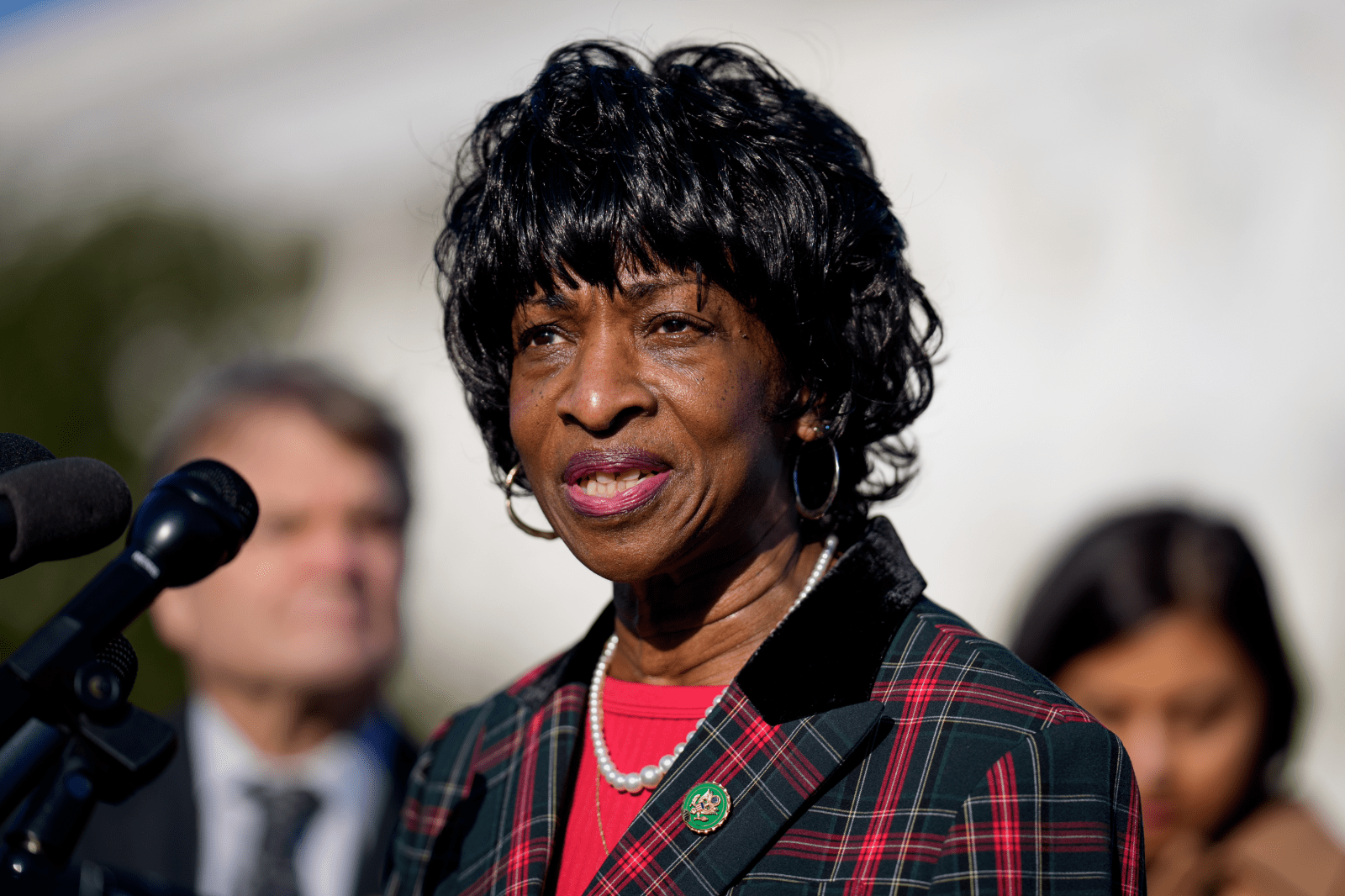
Representative Valerie Foushee, a Democrat from North Carolina, has put forward new legislation aimed at offering financial relief from tariffs. The proposal introduces refundable tariff rebates of up to $4,000 for eligible married couples, along with additional payments for dependents.
The proposal comes amid ongoing discussions regarding President Donald Trump’s tariff policies and their impact on household expenses. Approval of the measure would mean tax credits for lower- and middle-income taxpayers, with larger household sizes receiving more substantial payouts.
Newsweek reached out to Foushee’s press office via email for comment.
Since Trump resumed office in January 2025, tariffs have become a critical political and economic issue, expanding duties on various imports. Advocates of tariffs argue they promote domestic investment, while critics say the costs often lead to increased prices for consumers.
What the Bill Would Do
Foushee introduced the American Tariff Rebate Act on September 17. The bill seeks to amend the Internal Revenue Code to create a refundable tax credit for the 2026 tax year. Under the proposal:
- Eligible single filers would receive a $2,000 credit.
- Married couples filing jointly would receive $4,000.
- Families would gain an additional $600 for each qualifying dependent.
The refundable nature of the credit allows taxpayers to benefit even if their federal income tax dues are minimal or non-existent. Foushee emphasized the aim is to return money to middle-class families facing rising living costs.
“I’m introducing the American Tariff Rebate Act to cover tariff costs for middle- and lower-income households and ensure that our communities aren’t the ones fronting the bill for Trump’s tariffs,” Foushee wrote on X.
Who Would Qualify
The legislation targets lower- and middle-income families, with income thresholds for the credit phasing out at:
- $75,000 for single filers.
- $112,500 for heads of household.
- $150,000 for married couples filing jointly.
Nonresident aliens, estates, trusts, and individuals claimed as dependents by others are excluded. The bill also proposes advance payments during 2026, enabling eligible individuals to receive early financial aid.
Why Supporters Say Rebates Are Needed
Data from the Joint Economic Committee Minority estimated that American families faced over $231 billion in tariff-related expenses from February 2025 to January 2026. This resulted in an average cost of $1,745 per household.
While businesses have secured tariff-related refunds through court decisions, families confronting higher expenses have not received similar relief.
How This Fits Into the Tariff Rebate Debate
Returning tariff revenue to Americans is not a novel concept. Trump suggested the idea of a “tariff dividend” in late 2025, proposing payments of at least $2,000 per person. The plan required congressional approval, and no federal rebate program was established.
Democrats have independently pursued rebate proposals, too. Earlier in 2026, Representative Henry Cuellar introduced legislation for direct payments to taxpayers to counteract the heightened consumer expenses due to tariffs.
What Are the Chances of Passage?
Currently, the legislation faces significant challenges. It has been referred to the House Ways and Means Committee for further evaluation. The bill is still at the very beginning stages of the legislative process and would need various approvals to become law.
Significant federal spending measures often encounter hurdles, especially in a politically divided environment. Currently, the rebate proposal remains theoretical, and no checks or tax credits have been authorized.
Leave a Reply