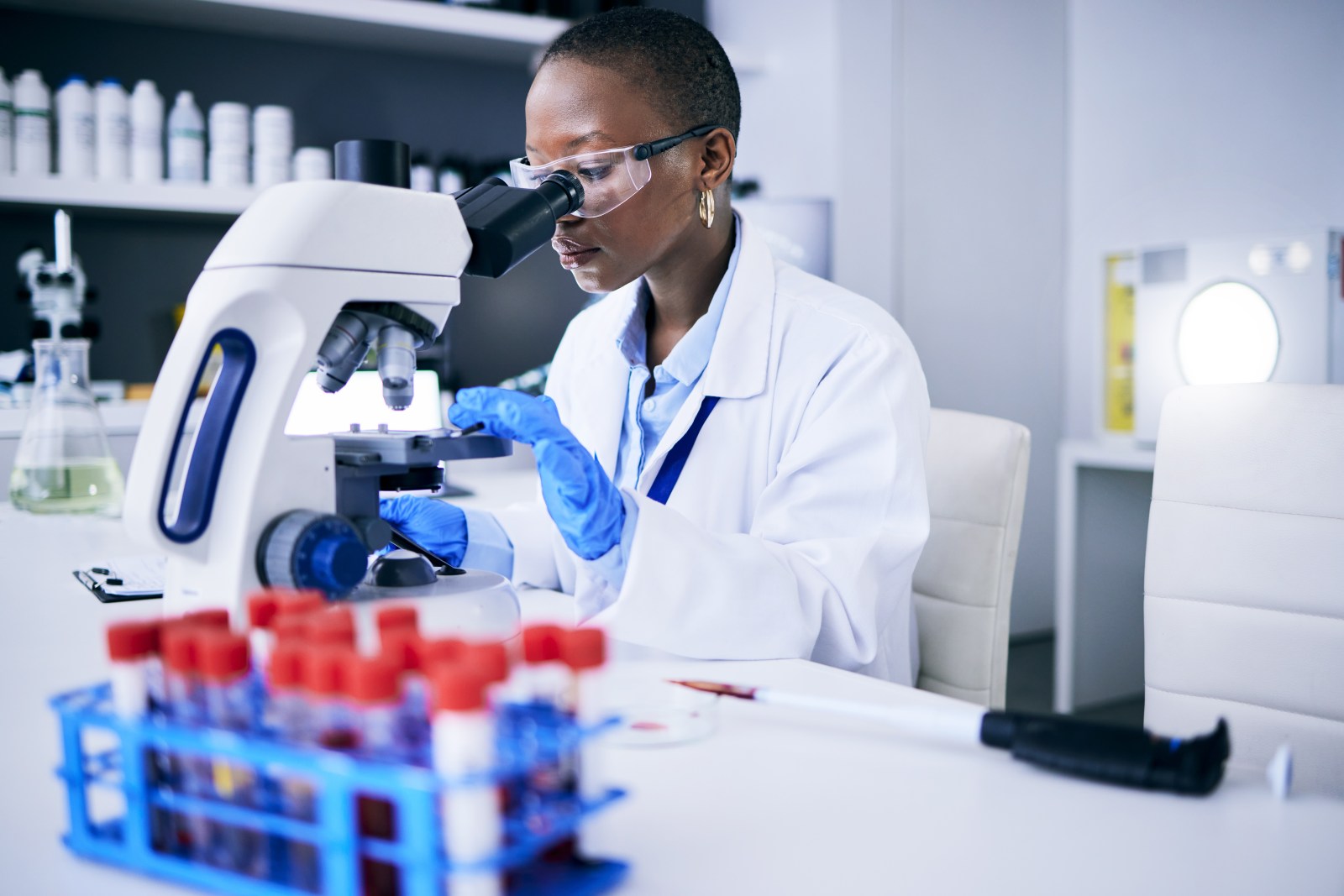
Research highlighted in a recent review from Genes & Diseases suggests that sugar molecules present on cancer cells could provide new insights into tumor detection and the development of treatments that curb cancer spread and drug resistance. This review was conducted by researchers at Shandong Provincial Hospital affiliated with Shandong First Medical University.
Understanding Sialylation in Cancer
The team examined evidence from various types of cancers, including gastric, colorectal, breast, lung, and pancreatic cancers, as well as blood cancers like leukemia and multiple myeloma. They aimed to understand how alterations in sialylation could contribute to cancer diagnosis and the creation of targeted therapies. Sialylation involves attaching sialic acids, a type of sugar molecule, to proteins and fats on cell surfaces, which regulates cell communication.
The Role of Enzymes
In cancer, sialylation alters cell interactions with neighboring tissues and the immune system. Two enzyme groups control this process: sialyltransferases add sialic acids, and neuraminidases remove them. An imbalance affects cancer cell behavior.
Sialic acids can interfere with immune responses when interacting with Siglecs, receptors on immune cells. Brian Haab from the Van Andel Institute, though not involved in the study, mentioned that this is common in many cancers, notably when they metastasize.
Exploring Therapeutic Avenues
The review explores various experimental treatments targeting sialylation. These include drugs that inhibit sialyltransferase, antibodies targeting Siglecs, and antibody-sialidase treatments which use antibodies to guide enzyme action against cancer cells. There are also efforts to engineer immune cells and proteins that engage T cells and modify tumor surface sugars.
Interestingly, changes in sialylation may affect the efficacy of cancer drugs. The review connects the enzyme ST6Gal1 to modifications in the response to trastuzumab in gastric cancer, as well as to drug resistance in colorectal cancer and leukemia. Researchers have also delved into the potential for sugar patterns to assist in cancer detection, progression assessment, and treatment prediction.
Challenges and Future Directions
Haab emphasized that antibodies could potentially reduce immune suppression, making cancer cells more vulnerable. The challenge lies in targeting features unique to cancer cells. Overcoming this involves targeting the overabundance or the specific presence of these structures on proteins. Metabolic strategies to curb oversialylation hold promise, being potentially less toxic.
Despite the possibilities, translating these approaches into effective treatments remains uncertain. Haab underlined the necessity for further research and thorough clinical testing. Each potential treatment must undergo rigorous validation and clinical trials.
For reference, see: Ran Kong et al. From molecular mechanisms to potential therapeutics, Genes & Diseases. DOI: 10.1016/j.gendis.2026.102080
Contact editors on this story: Kara Dolman and Cristina Diciu.
Leave a Reply