Adapting to a New Threat
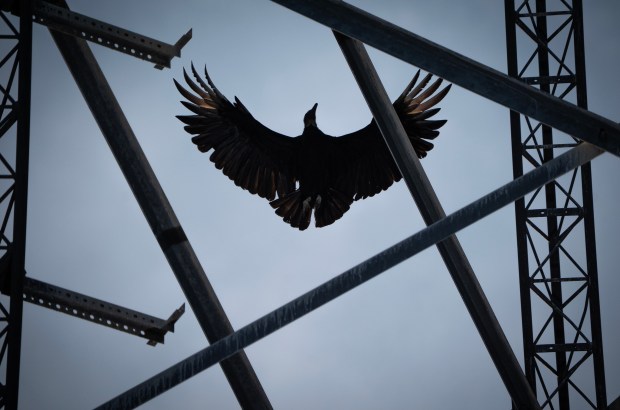
Black vultures have recently migrated to rural southern Illinois. They glide over roads and farms, searching for food. Although roadkill is a usual target, newborn cows are also at risk, troubling local farmers. These birds, once uncommon in this area, have now settled farther north.
Patty Zettle, 62, a farmer in the region, suspects black vultures killed one of her calves last year. The loss of the calf, worth over $2,000, impacted her small farm significantly. To deter the vultures, Zettle crafted an effigy from wire and cloth. She believes this has helped, though she still keeps her firearm ready.
Zettle’s Farm and New Precautions
Zettle runs her 70-acre farm in northeastern Williamson County, Illinois. Starting with two cows, her cattle have grown to 19, along with other farm animals. Black vultures pose a new and unsettling threat to her beloved farm.
These vultures, different from native turkey vultures, are stockier and more aggressive. For Zettle, recognizing their presence involves vigilance and preparation. She has obtained permits to legally shoot these protected birds, granted by federal authorities, aiding farmers facing similar threats.
The Impact of Climate and Migration
Black vultures traditionally lived in the Southeast but have now migrated to the Midwest. The warmer climate and ample food supply in Illinois have encouraged this shift, noted by wildlife biologists like Michel Kohl. These vultures are adapting well to climate changes that affect many species negatively.
The birds’ migration since the past 40 years has escalated in the last two decades, covering broader territories. Illinois’ rural roads and ideal conditions provide an inviting environment for these birds.
Managing Conflicts and Seeking Solutions
Conversations among locals in Williamson County reveal an increased curiosity regarding black vultures. Zettle and other farmers seek ways to manage these birds without harm. However, the number of vultures continues to rise, leading to ongoing challenges for farmers.
One morning Zettle found a dead black vulture on her route and decided to use it as a deterrent. With help from her fiance, Robert Willmore, she hung the vulture from a tree on her farm. Positioned visibly, she hopes its presence will keep other vultures at bay.
Zettle’s story reflects broader concerns as black vultures spread into new areas. Adapting to these changes requires creativity and constant diligence for farmers striving to protect their livelihoods.
Leave a Reply