George Washington once noted, “Few men have virtue to withstand the highest bidder.” Despite nearly 250 years since he articulated this sharp observation, human nature remains unchanged. Today’s headlines are filled with stories of corruption—bribes involving gold bars and cash, donors’ money used for luxury purchases, and politicians trading stocks using insider information. Investment funds mimicking stock trades of Congressional members often outperform the S&P 500, underlining a significant problem.
The need for accountability in Washington is evident. Self-serving behavior among career politicians has become widespread at the expense of Americans struggling to afford essential items like groceries, gas, housing, and healthcare. These politicians have long ignored crucial issues impacting Americans’ daily lives. Washington referred to this as selling the American people’s interests to the “highest bidder,” prioritizing stock trades, cozying up with special interest groups, and channeling federal resources toward their financial interests.
My Congressional run was aimed at breaking the gridlock in Washington and achieving tangible results for California families. When Congress handled significant tax reforms, I was the sole Californian negotiating with Speaker Mike Johnson and President Donald Trump to substantially increase the State and Local Tax (SALT) Deduction, allowing families to retain more of their earnings. Efforts have also been made to reduce healthcare costs, lower middle-class taxes, protect seniors, and support Southern California’s small businesses.
To hold Washington accountable, I’ve supported legislation like the Stop Insider Trading Act, passed by the House in July, and the Restore Trust in Congress Act, aimed at prohibiting Congress members from trading stocks individually. Co-sponsoring initiatives like the Congressional Pension Accountability Act and End Government Pensions for Sexual Abusers Act, I advocate for stripping the pensions of politicians who breach public trust. Additionally, term limits for Congress members are endorsed to prevent career politicians from staying too long in D.C., benefiting from the system while neglecting their constituents.
I’m enthusiastic about advancing the Stop Insider Trading Act. However, it should serve as just the beginning of accountability measures. Recently, I introduced the Stop Congressional Self-Enrichment Resolution to prevent Congress members from channeling federal funds into projects that enhance their personal wealth. Current House rules require members to certify no direct financial conflicts of interest when requesting Community Project Funding (CPF) or earmarks. However, indirect financial influences remain unaddressed, offering opportunities for lucrative gains—such as obtaining earmarks for nonprofit associations where spouses hold positions or funding public amenities near properties owned by members, inadvertently inflating their value. The resolution seeks to eliminate any potential financial benefits from taxpayer-funded earmarks.
Such resolutions aim to address more than loopholes. Self-enrichment and corruption conflict with the principles devised by our Founding Fathers. The Constitution, a remarkable document, envisions leaders representing diverse American voices. When politicians leverage their roles for personal gains, they betray public trust and silence the voices they pledged to represent. There’s a need for improvement. I’ll continue striving to eliminate corruption, ensuring Congress prioritizes reducing costs, controlling healthcare prices, and serving the public’s best interests.
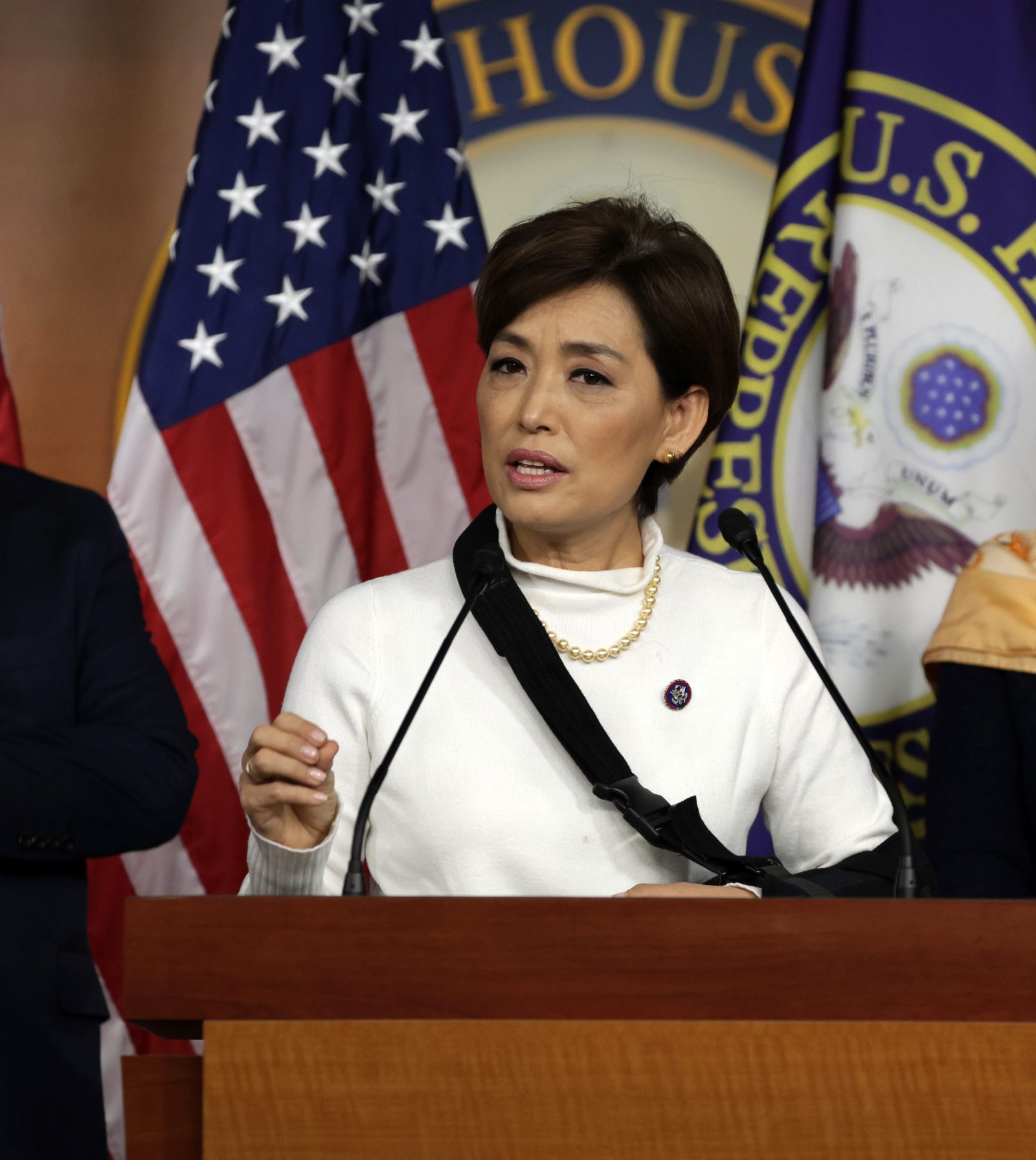
Congresswoman Young Kim represents California’s 40th District and chairs the House Foreign Affairs Subcommittee on East Asia and the Pacific. She also serves on the House Financial Services Committee and the Select Committee on the Chinese Communist Party. The views expressed in this article are the writer’s own.
Leave a Reply