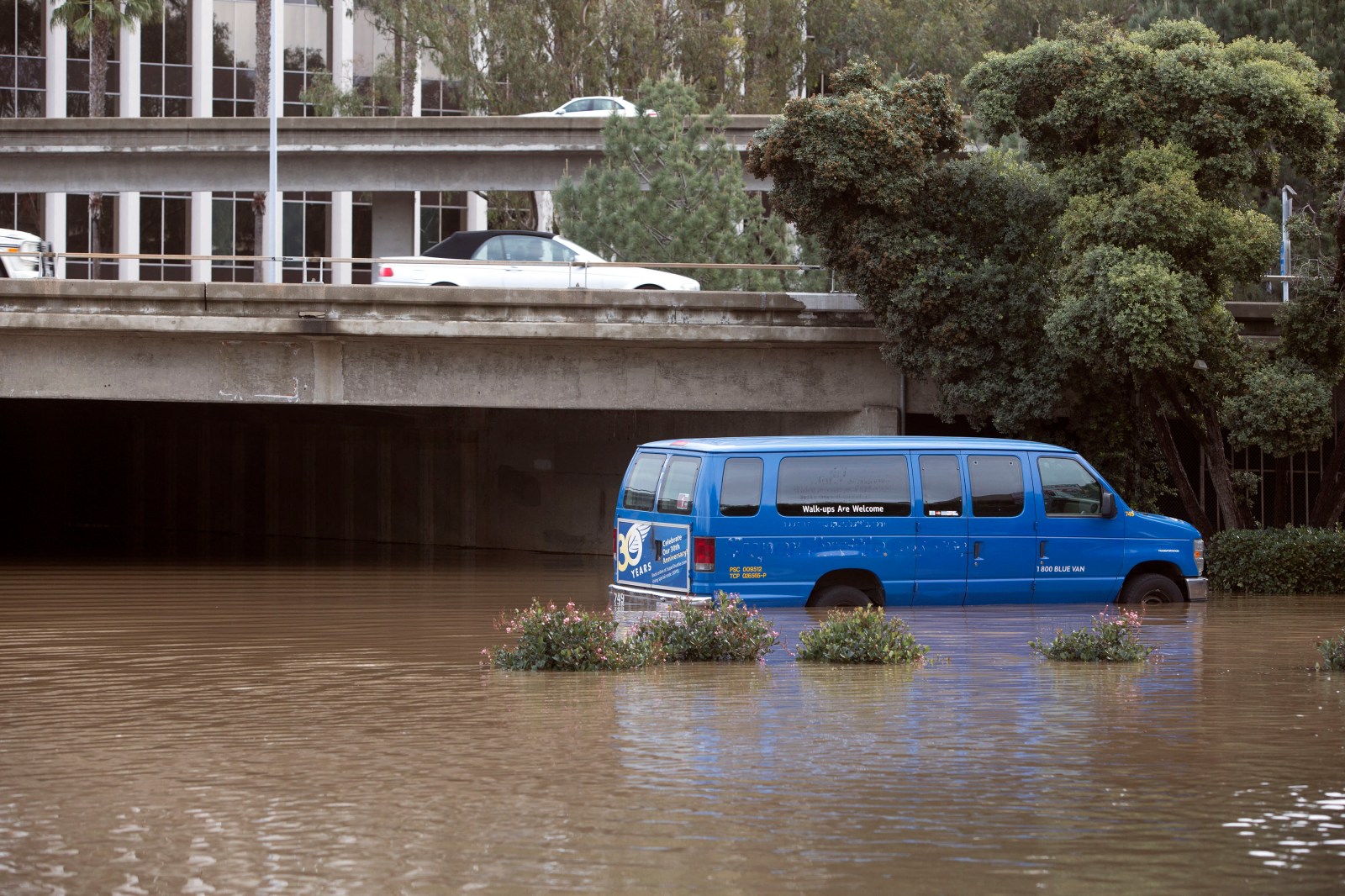
The upcoming El Niño event is anticipated to markedly increase flood risks across several regions of the United States in the coming months, as stated by weather experts.
El Niño Explained
El Niño is a naturally recurring climatic phenomenon marked by warmer waters in the Pacific Ocean. It significantly impacts global temperatures and rainfall patterns.
Federal forecasters expect the ongoing El Niño, already breaking records, to further strengthen by the end of the year, potentially reaching historic levels during October to December.
Regions at Risk
Meteorologist Heather Zons from The Weather Channel highlighted a heightened flood risk ranging from Southern California to Florida due to El Niño amplifying the subtropical jet stream. She pinpointed January to March as critical months for the Southwest and South Florida.
Arizona and New Mexico are particularly vulnerable, according to Zons. The terrain—characterized by mountains and steep slopes—can swiftly lead water into populated areas and roadways, potentially causing significant damage.
“Rapid water flow could easily overwhelm dry washes, substantially impacting communities and roads,” Zons noted.
South Florida presents another concern. Its sandy soil typically manages rainfall well, yet increasing development is restricting space for water absorption, elevating flood risks.
Fox Weather meteorologists Ian Oliver and Greg Diamond underscored the potential for increased storm systems due to a stronger southern jet stream, emphasizing elevated risks of flooding and severe thunderstorms in California and the southern U.S., particularly during winter.
The pattern could also heighten flood potential in the Southeast, with conditions emerging in fall and peaking during winter.
“Expect a cold season filled with impactful weather events given the impending historic strength of this El Niño,” they stated.
Jane Minar, a Fox meteorologist, noted that during an El Niño, states along the Gulf Coast and California typically face heightened flooding risks. She indicated that January and February could see wetter conditions, increasing flood potential in Florida, the Carolinas, and California.
Zons also advised monitoring the Great Lakes and Ohio Valley post heavy rainfall from prior periods. Milder El Niño conditions could lead to more winter precipitation falling as rain rather than snow.
Contact Newsweek editors: Ben Kelly and Dave Siminoff.
Leave a Reply