Americans are acutely aware of problems within the healthcare system. Rising premiums, escalating deductibles, and confusing medical bills often plague individuals. These frustrations stem from the secrecy embedded in the system.
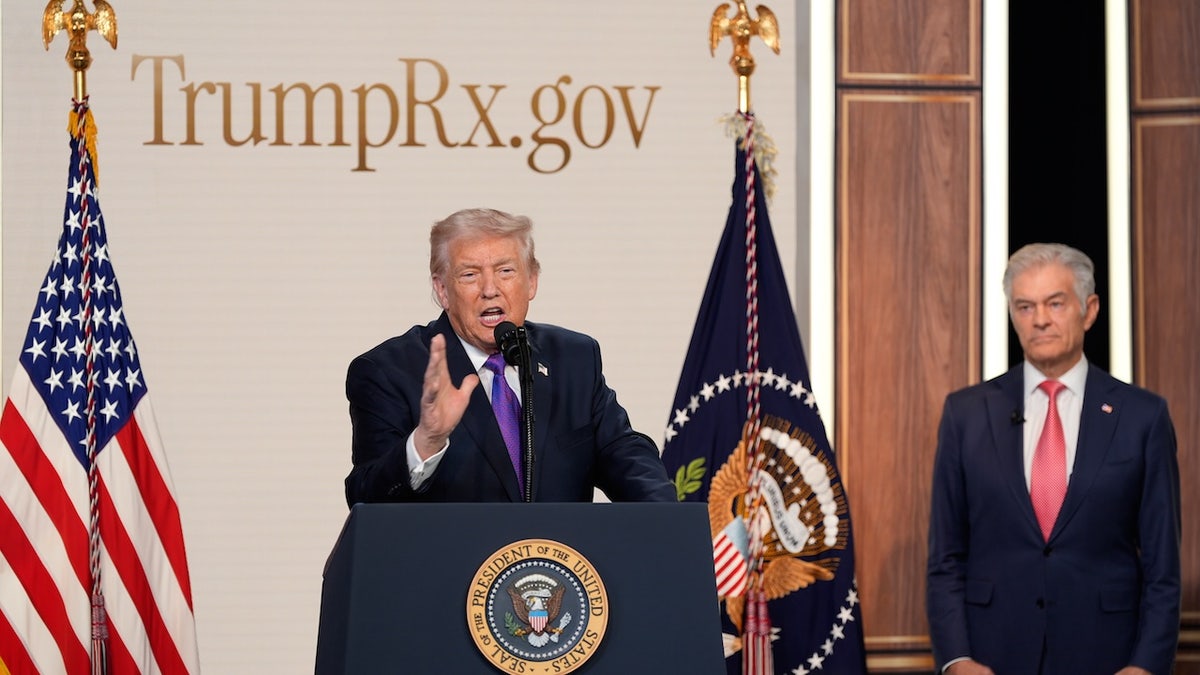
On May 18, President Donald Trump introduced TrumpRX, a pioneering platform aimed at reducing drug prices. It operates similarly to Airbnb and Priceline.com. His next focus should be hospital and insurance sectors.
Healthcare is notoriously expensive and lacks transparency. Hidden prices, obscure billing systems, and numerous intermediaries cost taxpayers and families significantly through fraud and waste.
The Trump administration possesses the authority to alleviate these issues. What is lacking is enforcement.
Steps to Improve Healthcare Transparency
President Trump unveiled a ‘Great Healthcare Plan,’ urging Congress to reduce costs. He detailed TrumpRx at the White House on February 5, 2026, alongside Centers for Medicare & Medicaid Services Administrator Dr. Mehmet Oz.
“Our goal is to make healthcare more affordable and transparent.”
Here are three steps to immediately lower costs, reveal fraud, and restore trust:
Provide Cost Information Before Treatment
Patients need to know prices before receiving care, empowering them to combat fraud and waste.
Currently, most patients discover the true costs after treatment, making it too late to compare or question dubious charges.
The No Surprises Act authorized an Advanced Explanation of Benefits (AEOB), but it remains unimplemented under President Joe Biden. Implementing it would allow patients to compare costs and contest inflated charges.
Enhancing Federal Employee Health Program Oversight
The Federal Employees Health Benefits Program is a major healthcare purchaser, yet lacks visibility concerning expenditures.
The Office of Personnel Management can demand standardized claims and pricing data, conduct audits, and verify eligibility. This oversight could unveil duplicate billing, inflated charges, and fraudulent enrollments.
Such measures could save billions without altering benefits or passing new laws.
Increasing Employer Health Plan Transparency
Most Americans receive insurance through employers or unions, yet many employers lack access to data necessary to detect fraud and manage costs.
The Department of Labor is advancing transparency requirements for Pharmacy Benefit Managers under ERISA. These requirements should extend to all entities receiving compensation from plan assets.
Employers need access to claims data, payment records, and fee structures. Transparency would transform employers from passive payers to active negotiators securing better value.
Enforcement Actions Needed
The lack of transparency enforcement is the crux of the issue. Transparency laws exist, but without enforcement, they are ineffective.
Organizations often file incomplete or unusable data without facing repercussions.
Americans want transparency and accountability. It is vital for patients, employers, and taxpayers to understand how funds are spent.
The authority and laws are in place. Enforcement is needed to empower Americans and lower healthcare costs.
Maximum price transparency enforcement can make healthcare affordable again, with the Trump administration taking action.
Ambassador Andrew Bremberg served as assistant to the president and director of the Domestic Policy Council for President Donald Trump.
Leave a Reply