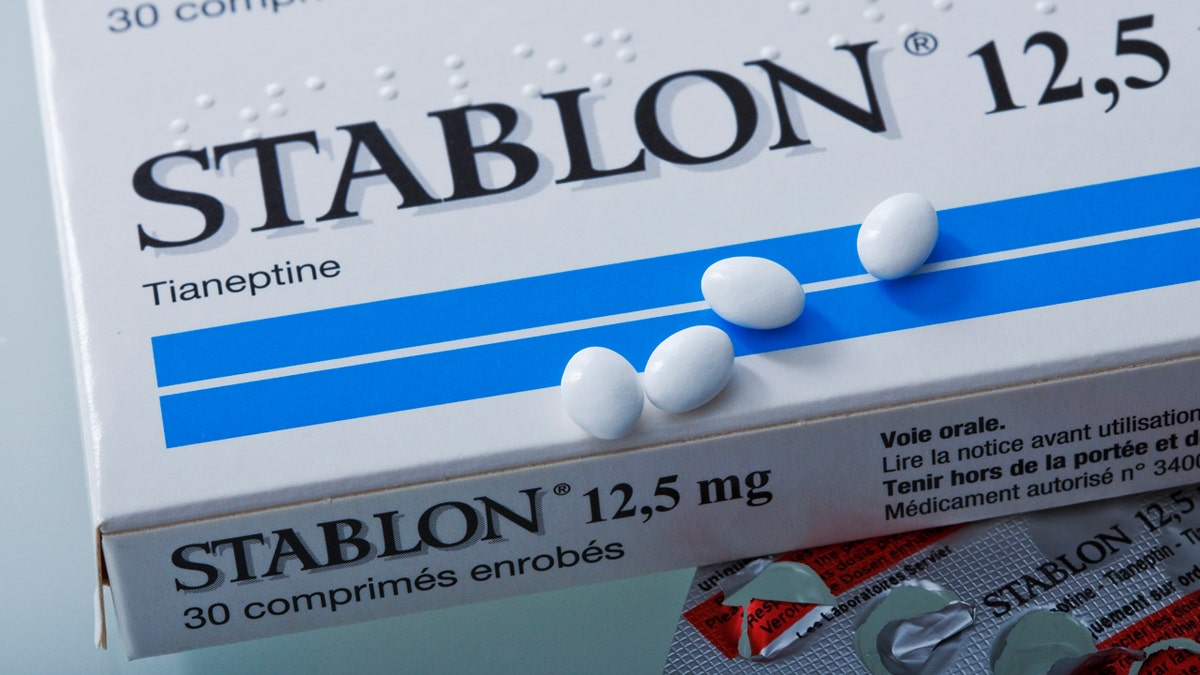
Health professionals are raising alarms about a dangerous substance known as ‘gas station heroin’. This substance, tianeptine, is prompting states to impose stricter regulations. As of now, fourteen states have classified tianeptine as a Schedule I controlled substance due to its potential for abuse and harm.
Connecticut’s Proactive Measure
Connecticut has joined the fight by banning the sale and use of tianeptine. The state is the latest to take action, with the ban taking effect this Wednesday. Connecticut Lt. Gov. Susan Bysiewicz emphasized the stakes, warning of misleading marketing and candy-like flavors that could endanger youth and those battling substance-use disorders.
‘With false marketing that led consumers to believe these are safe products, and with candy-like flavor options, these substances posed a clear threat to those battling substance-use disorder and our youngest residents,’ Bysiewicz noted.
FDA’s Warning Highlights Risks
The FDA has highlighted how tianeptine can rival morphine and addictive opioids in potency. Misuse can lead to severe health issues like respiratory depression and death. Companies are marketing it for pain relief, anxiety, and improved mental alertness, available in various formats.
FDA Commissioner Martin Makary expressed concerns in a recent letter about the growing health trend related to these products. Dr. Robert Schwaner, an expert in emergency medicine, underscored the seriousness, comparing tianeptine’s effects to opioid-induced cardiac risks.
Some countries have already moved to restrict tianeptine’s prescription practices. Updating warning labels on packaging is another step taken to inform consumers about its addictive potential.
The Case for National Regulation
Schwaner advocates for national regulation. He worries about the potential for addiction and withdrawal similar to opioids. He explained, ‘Acting at the same receptor as opioids, tianeptine has the potential for an individual to develop tolerance, subsequent dependence, and withdrawal from its use.’
Kratom’s Role in Addiction Epidemics
Dr. Marc Siegel of Fox News warned about the dangerous rise of kratom use in the US. Alongside tianeptine, products containing kratom contribute to a growing addiction epidemic. Its compound, 7-hydroxymitragynine, rivals morphine in potency and carries substantial risks.
Despite their prevalence, these substances often go untested even during overdose investigations. Siegel stressed the urgent need for more robust oversight.
Leave a Reply