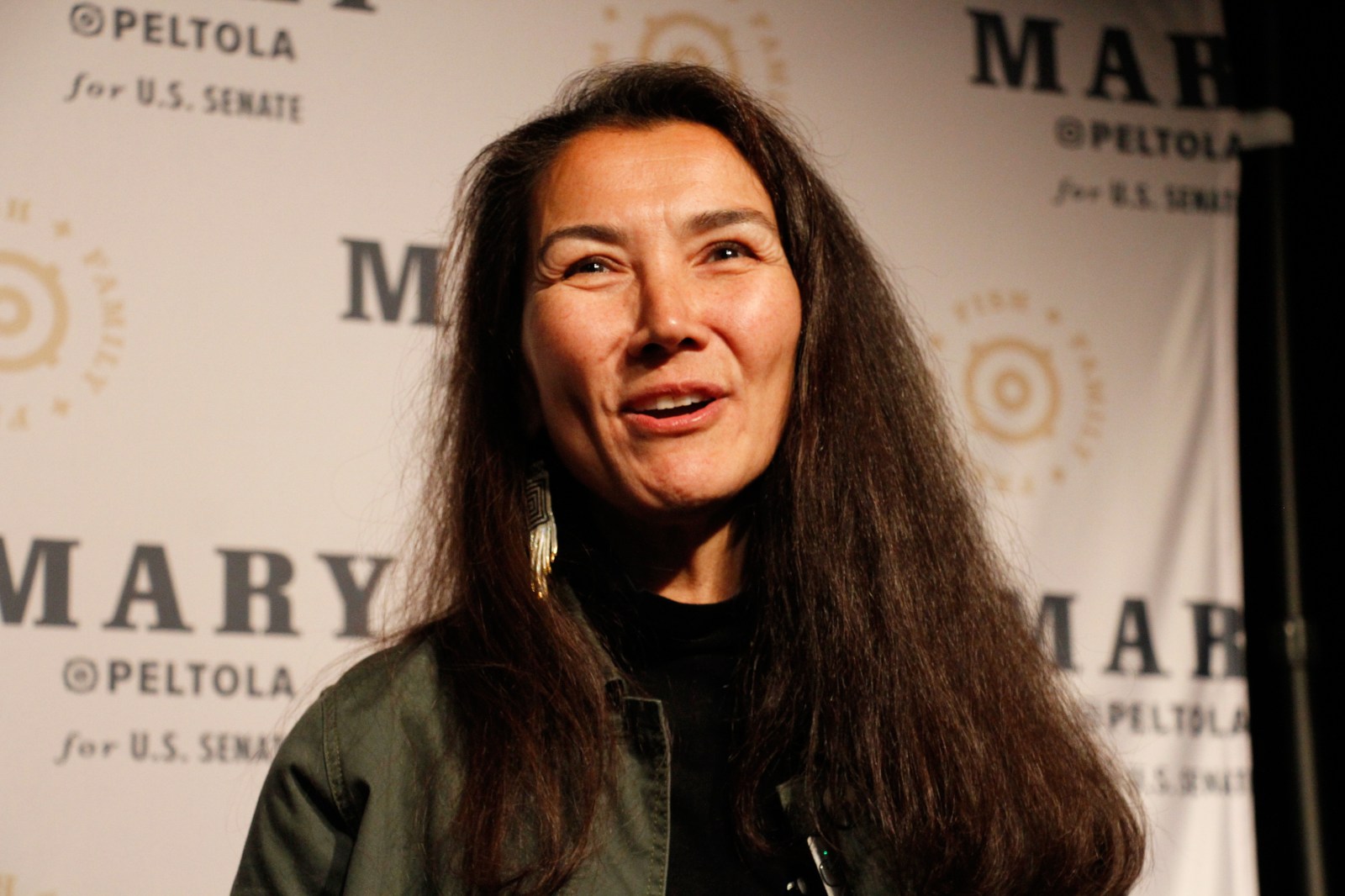
Mary Peltola, a Democratic candidate in Alaska, has gained a slight edge over Republican incumbent Dan Sullivan in several recent polls ahead of their crucial Senate race. Despite her lead, the margin is tight. The Democrats view Alaska as a potential win that could contribute to a shift in both the House and Senate to Democratic majorities. As a former Congresswoman, Peltola is a strong contender against the incumbent, who faces challenges amid declining approval ratings for President Donald Trump and ongoing concerns over the economy and the war with Iran.
Democratic Strategy and Competitive Landscape
To secure a majority in the Senate, Democrats aim to hold all current seats and flip four additional ones. Aside from Maine, where a Republican is defending a seat in a state won by Kamala Harris in 2024, Democrats are targeting regions like Alaska that Trump previously won by significant margins in 2024. The last time Alaska elected a Democrat to the Senate was in 2008. Historically, the state has favored Republicans in presidential races, last supporting a Democrat for the White House back in 1964.
Polling Data: Peltola’s Lead
In a survey conducted by Rasmussen Reports from October 12 to October 15, Peltola held a 44% to 42% lead over Sullivan. This poll included 775 likely voters in Alaska and reported a margin of error of plus or minus 3 percentage points. An InsiderAdvantage poll from October 9 to October 10 indicated a larger gap, with Peltola garnering 48% support compared to Sullivan’s 43% among 1,200 likely voters surveyed. Third-party Republican candidates received minor support, while undecided voters accounted for 5.3%.
In potential second-round voting scenarios, Peltola’s support rose to 50.1% versus Sullivan’s 48%. Consistent leads for Peltola were noted throughout other polls conducted this month. Public Policy Polling and Alaska Survey Research both showed similar trends with narrow margins separating the candidates.
Issues and Debate Highlights
Peltola and Sullivan have engaged in intense discussions on various issues, including the Iran war, energy production, and fuel prices. During an October 15 debate, Peltola linked Middle East conflict with Alaskan financial struggles and criticized Sullivan’s voting record. Sullivan, backed by Trump, advocated for increased local energy production to reduce prices.
Foreign policy remains contentious. Both candidates opposed importing Russian diesel. Peltola criticized purchasing fuel from adversaries and emphasized supporting Ukraine. The debate underscored each candidate’s stance and appeal to voters.
Midterm Implications and Voting Process
Alaska’s role is pivotal in the 2026 midterms as Democrats look to flip states like Texas, Ohio, and Iowa. Peltola, a centrist, appeals to independents and moderate Republicans wary of Trump’s endorsement of Sullivan. Political analysts mark this race as competitive, with varying predictions on outcomes.
Alaska’s ranked-choice voting could delay results beyond election night. Initial tallies reflect first-choice votes, followed by additional calculations if required. Close races, like the one in Alaska, might take up to 15 days to conclude, making it a significant component of the Senate’s future composition.
Leave a Reply